Glossy chicken lo mein hits the table with the kind of saucy, slippery noodles that keep pulling you back for one more forkful. The chicken stays tender, the vegetables keep a little crunch, and the soy-sesame sauce clings to every strand instead of pooling at the bottom of the bowl. That balance is what makes this version worth making at home.
The trick is keeping the wok hot and the sauce measured. Lo mein turns heavy fast if the noodles sit too long in liquid, so everything here is built around quick cooking and a sauce that’s bold enough to season the whole pan without drowning it. Thin-sliced chicken cooks in minutes, and the vegetables go in just long enough to soften at the edges while still tasting fresh.
Below, I’ll walk through the one step that keeps the noodles from clumping, the ingredient choices that matter most, and a few smart swaps if you need to work with what’s already in the kitchen.
The noodles stayed glossy and never went soggy, and the sauce soaked into everything after just a couple minutes in the pan. I used cabbage instead of bok choy and it still tasted like takeout in the best way.
Save this chicken lo mein for the nights when you want glossy noodles, tender chicken, and a fast stir-fry that tastes better than takeout.
The Secret to Lo Mein That Stays Slick Instead of Sticky
The biggest mistake with homemade lo mein is letting the noodles sit around after they’re cooked. Once they cool, they tighten up and start to clump, and then the sauce can’t coat them evenly. That’s why this dish moves fast from wok to bowl. The noodles should go in cooked and ready, then get tossed with the sauce while the pan is still hot enough to loosen everything into a glossy tangle.
High heat matters, but so does timing. If the vegetables cook too long, they go limp and watery, and that extra moisture dilutes the sauce. Keep the chicken, noodles, and vegetables all close at hand before you start. Once the garlic hits the pan, you’re only a few minutes away from dinner.
What Each Ingredient Is Actually Doing in the Pan
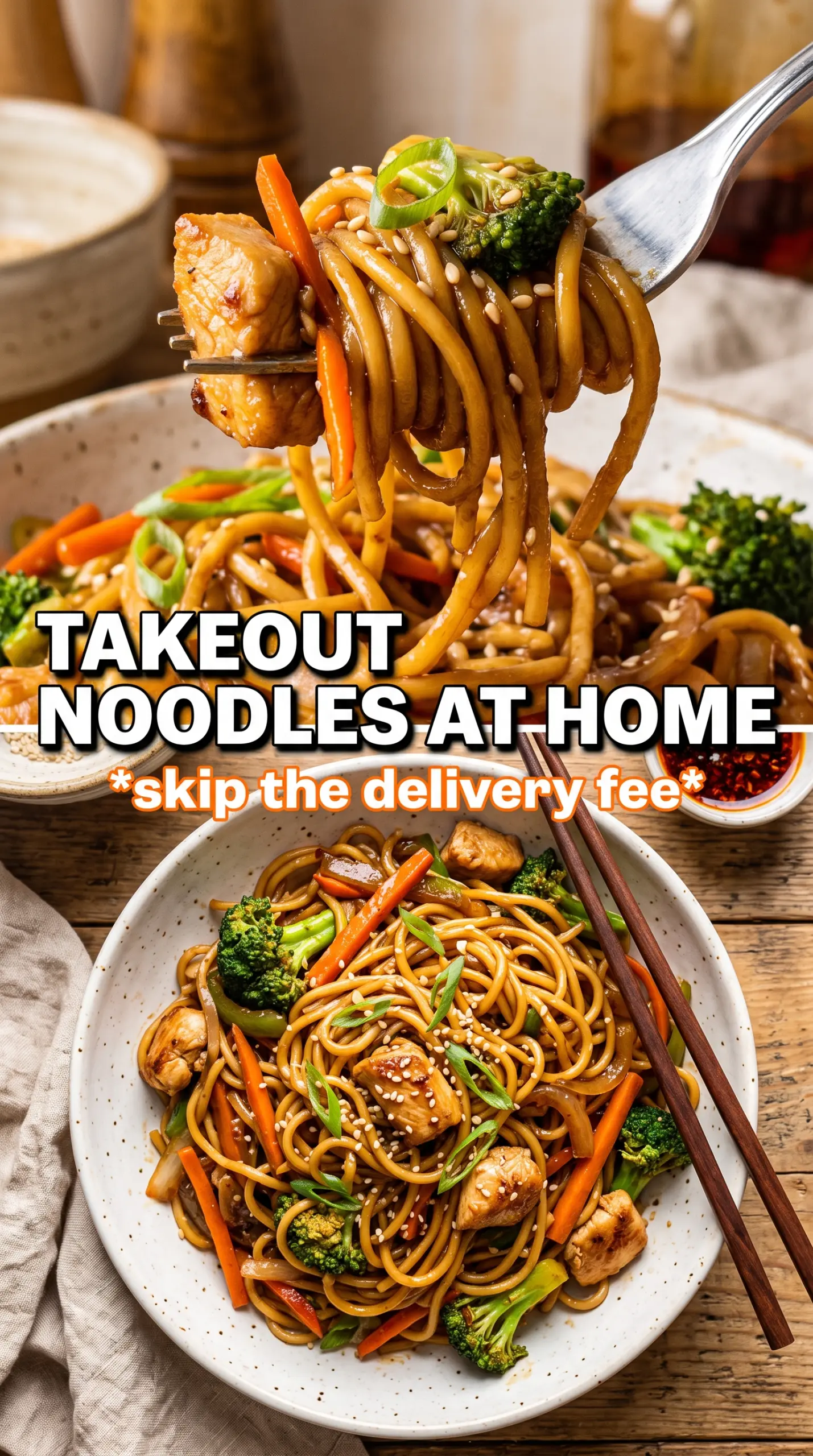
- Lo mein noodles or spaghetti — Fresh lo mein noodles give the most authentic texture, but spaghetti works surprisingly well if that’s what you have. Cook either one just to al dente. Overcooked noodles turn soft the second they hit the sauce.
- Chicken breast — Thin slicing matters more than the cut itself. Keep the pieces small and even so they cook quickly and stay tender. Chicken thighs also work and bring a little more richness.
- Bok choy or cabbage — This adds crunch and a little sweetness. Bok choy gives a cleaner, lighter bite, while cabbage holds up a touch longer and is a great budget-friendly swap.
- Oyster sauce and hoisin — These two carry the sauce. Soy sauce gives salt, but oyster sauce brings depth and hoisin adds that rounded, slightly sweet takeout-style finish. If you skip either one, the sauce tastes flatter.
- Sesame oil — Use it twice, but with restraint. A little in the sauce and a little at the end gives the dish its nutty aroma without making it greasy.
- Ginger and garlic — Fresh is worth it here. They hit the oil first and perfume the whole stir-fry. If they brown hard, they’ll turn bitter, so they only need a short, hot toss before the vegetables go in.
Building the Stir-Fry in the Right Order
Mix the Sauce Before the Heat Starts
Whisk the sauce together first so the brown sugar dissolves before it ever touches the pan. If you add everything separately later, the sugar can cling to one spot and the seasoning won’t distribute evenly. Set it close to the stove so you can pour it in all at once when the noodles are ready.
Cook the Chicken Fast and Leave It Alone
Get the wok or skillet very hot, then add the chicken in a single layer. Let it sit long enough to pick up color before stirring, or it’ll steam and turn pale. Once the pieces are cooked through, take them out. If they stay in the pan while the vegetables cook, they can dry out by the time the noodles go back in.
Wake Up the Garlic and Ginger Briefly
Add the garlic and ginger to the remaining oil and stir them just until they smell sharp and fragrant, about 30 seconds. Any longer and the garlic can scorch, which gives the whole dish a bitter edge. The vegetables follow immediately after, so the aromatics flavor the oil instead of burning in it.
Toss Everything Until the Noodles Turn Glossy
When the chicken goes back in, add the noodles and pour the sauce over the top. Toss over high heat for about 2 minutes, lifting and turning the noodles so the sauce coats every strand. The finished pan should look shiny and lightly clinging, not soupy. If there’s liquid pooling at the bottom, keep tossing for another minute so it cooks off and tightens up.
Make It Vegetarian Without Losing the Saucy Finish
Swap the chicken for firm tofu or extra vegetables like mushrooms and snap peas. Press the tofu well and brown it before it goes back into the pan, or it’ll crumble and water down the sauce. You’ll lose the meaty bite, but you’ll keep the same glossy, savory coating.
Gluten-Free Lo Mein That Still Tastes Balanced
Use gluten-free tamari in place of soy sauce and choose a gluten-free hoisin and oyster-style sauce if you can find them. Rice noodles can work in a pinch, but they soften faster than lo mein noodles, so pull the pan off the heat as soon as everything is coated.
Add Heat Without Changing the Structure
A spoonful of chili garlic sauce or a pinch of red pepper flakes adds heat without changing the way the sauce behaves. Stir it into the sauce before it hits the pan so the spice spreads evenly. Adding it at the end can leave you with one hot bite and several bland ones.
Storage and Reheating
- Refrigerator: Store in an airtight container for up to 3 days. The noodles will absorb some sauce as they sit, so the dish gets a little less glossy after chilling.
- Freezer: It freezes, but the noodles soften noticeably after thawing. If you want to freeze it, stop slightly short of done and cool it quickly before packing it up.
- Reheating: Reheat in a skillet over medium heat with a splash of water or soy sauce to loosen the noodles. The common mistake is microwaving it too long, which dries out the chicken and makes the noodles gummy.
Answers to the Questions Worth Asking
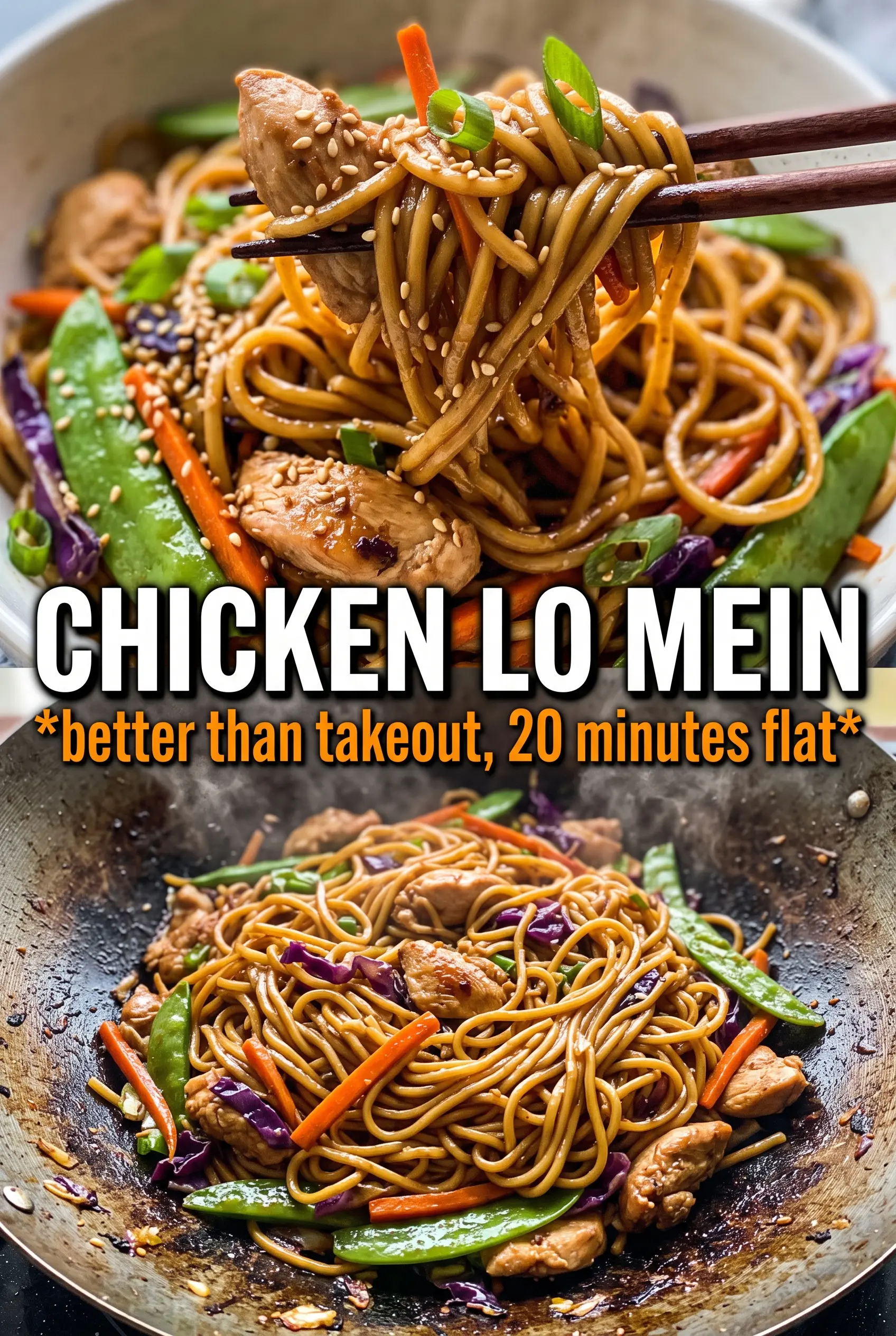
Chicken Lo Mein
Ingredients
Equipment
Method
- Whisk soy sauce, oyster sauce, hoisin sauce, brown sugar, and sesame oil together until smooth, then set aside. Visual cue: the sauce looks glossy and evenly dark.
- Heat vegetable oil in a wok or large skillet over high heat, then add the chicken and cook for 3–4 minutes until cooked through—remove and set aside. Visual cue: chicken turns opaque with light browning.
- In the same wok, add remaining vegetable oil, stir-fry garlic and ginger for 30 seconds, then add bok choy, carrots, and bean sprouts and cook for 3 minutes. Visual cue: vegetables brighten and begin to soften while staying crisp.
- Return the chicken to the wok, add the cooked lo mein noodles, and pour the sauce over everything. Visual cue: noodles are coated and the pan looks saucy.
- Toss everything together over high heat for 2 minutes until noodles are evenly coated and heated through. Visual cue: each noodle strand looks glossy and lightly sticky.
- Drizzle with sesame oil, top with green onions and sesame seeds, and serve immediately. Visual cue: the surface shines and toppings look fresh and green.