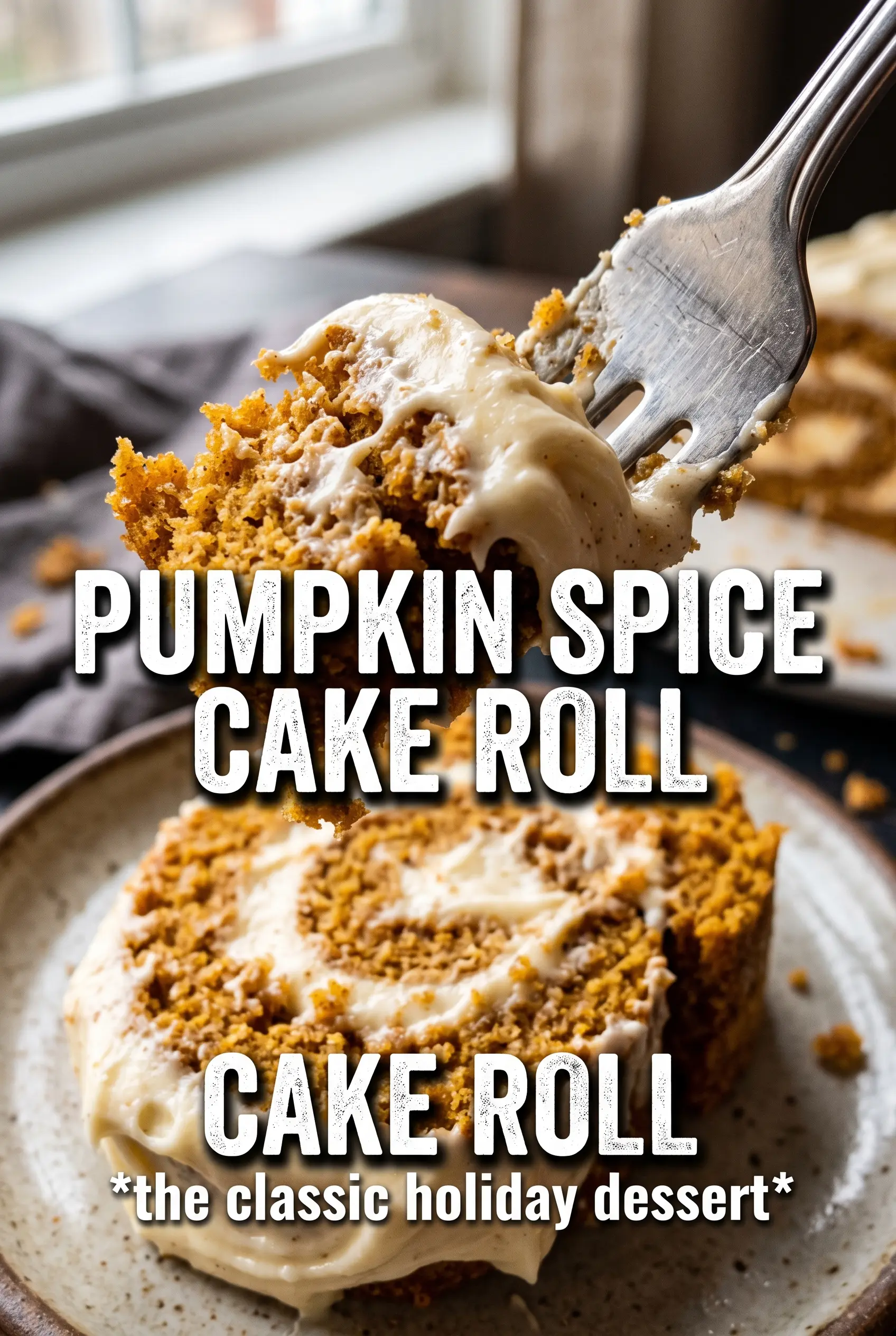
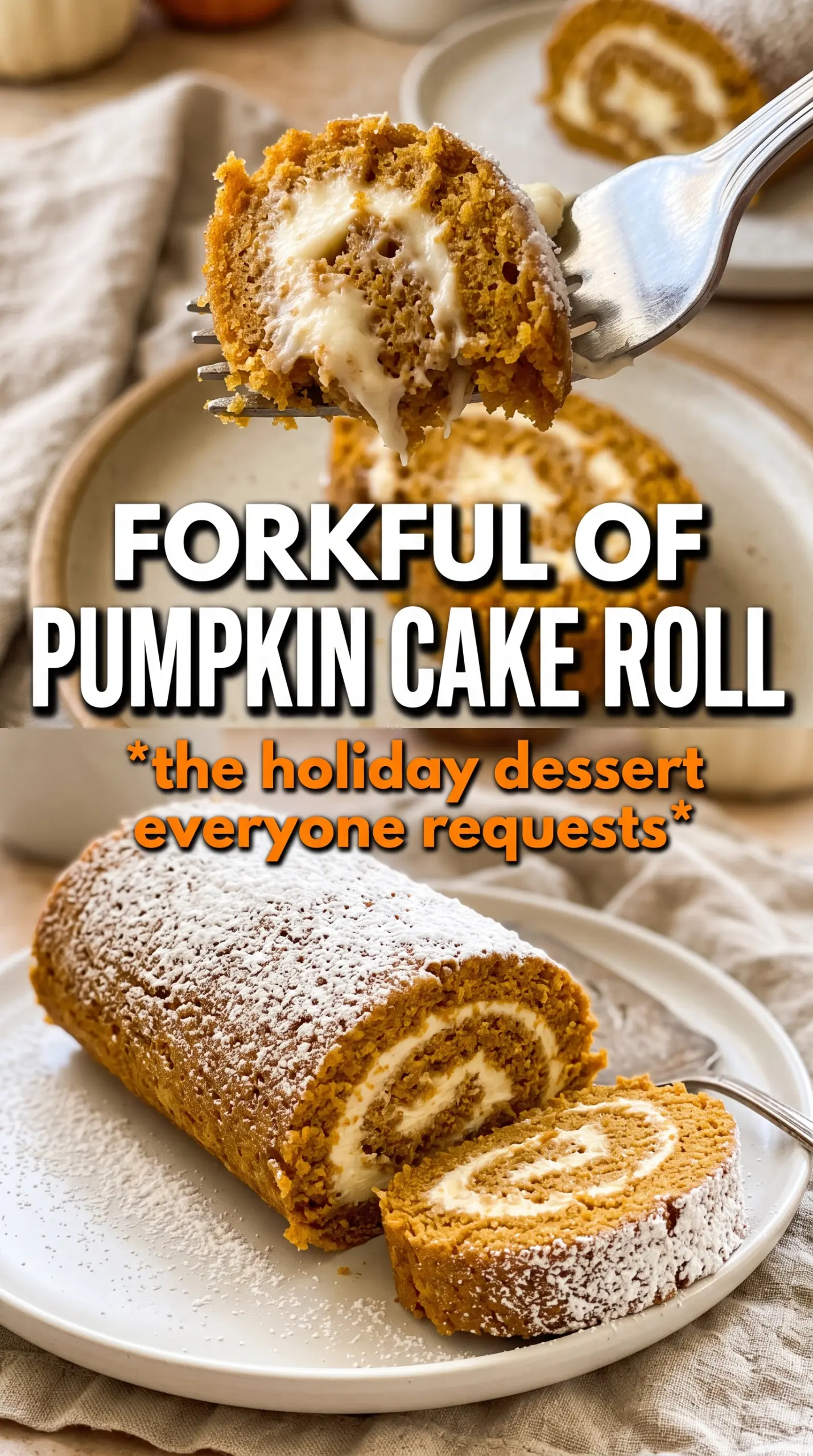
Pumpkin spice cake roll delivers that bakery-style spiral without the bakery fuss. The cake stays soft and flexible, the cream cheese filling turns plush and tangy, and every slice gives you that neat ribbon of orange spice and pale filling that looks much harder to pull off than it is.
The part that makes this version work is speed and structure. The eggs and sugar need to get thick enough to trap air, which keeps the thin cake from turning dense. Then the cake gets rolled while it’s still warm in a towel, so it learns the shape before the filling goes in. Skip that step or wait too long, and you’ll fight cracks when you try to roll it later.
Below, I’m walking through the part most people worry about: how to keep the cake from sticking, cracking, or smearing the filling. I’ve also included the swaps that still taste right if you need to adjust for what’s in the pantry.
I was nervous about cracking the cake, but rolling it in the towel while it was still warm made all the difference. The filling stayed smooth, and the powdered sugar on top gave it that pretty finish without hiding the spiral.
Save this Pumpkin Spice Cake Roll for the dessert table when you want a clean spiral, tangy cream cheese filling, and a slice that holds together beautifully.
The Secret to a Cake Roll That Doesn’t Crack
The biggest mistake with a pumpkin roll is treating it like a regular cake. It’s thin by design, which means it needs enough structure to lift cleanly from the pan and enough flexibility to bend without splitting. That balance comes from beating the eggs and sugar until the mixture is thick and pale, then baking just until the center springs back. If it goes too far in the oven, the edges dry out first and the roll starts cracking the moment you try to shape it.
The towel roll matters just as much. Dust the towel with powdered sugar, invert the cake while it’s still hot, and roll it up right away from the short end. That first warm roll teaches the cake its final shape. If you wait until it’s cool, the cake sets flat and fights you when the filling goes in.
What the Pumpkin and Cream Cheese Are Each Doing Here
- Pumpkin puree — Use plain pumpkin puree, not pumpkin pie filling. The puree gives moisture and that earthy pumpkin flavor without adding extra sugar or spice that throws off the balance of the cake.
- Eggs — These do most of the lifting. They whip with the sugar to create a light batter that bakes into a cake that can bend instead of crumble.
- Cream cheese — Full-fat cream cheese is worth using here. Low-fat versions can turn loose and a little grainy once you add the sugar, which makes the filling harder to spread in a clean layer.
- Powdered sugar — It sweetens the filling without leaving it gritty, and a little extra on the towel keeps the cake from sticking during the first roll. Granulated sugar won’t give you the same smooth texture.
- Butter — Softened butter makes the filling fluffy and spreadable. If it’s too cold, the filling will drag and tear the cake; if it’s melted, the filling gets too loose to hold the spiral.
Rolling, Filling, and Chilling the Cake Without Making a Mess
Baking Just Until It Springs Back
Spread the batter evenly into the prepared jelly roll pan so it bakes at the same rate from edge to center. Pull it when the top springs back lightly under your finger and the cake looks set, not dry. If the edges start pulling away hard or the surface turns dark, you’ve gone past the flexible stage and the roll will fight you later. Start the next step immediately; this cake waits for no one.
The Warm Towel Roll
Invert the cake onto a powdered sugar-dusted towel as soon as it comes out of the pan, then peel off the parchment while the cake is still hot. Roll it from the short end with the towel inside and let it cool all the way in that shape. That cool-down locks in the curve, and it’s the main reason the finished roll slices cleanly. If the towel sticks, you didn’t use enough powdered sugar, and the fix next time is a more generous dusting.
Spreading the Filling and Re-Rolling
Beat the filling until it’s smooth and fluffy, then unroll the cooled cake gently. Spread the filling in an even layer almost to the edges, leaving a tiny border so it doesn’t squeeze out the sides when you roll it back up. Roll it without the towel this time, using steady pressure instead of forcing it tight. Wrap it in parchment and chill for at least an hour so the filling firms and the spiral sets before slicing.
How to Adapt This Pumpkin Roll for Different Kitchens
Dairy-Free Filling
Use dairy-free cream cheese and a plant-based butter stick with a firm texture. The filling will still taste rich, but it may soften a little faster at room temperature, so keep the roll chilled until serving.
Gluten-Free Version
A 1:1 gluten-free flour blend can work here if it includes xanthan gum. The cake will be a touch more delicate, so don’t overbake it and use the towel roll while it’s still very warm.
Extra-Spiced Filling
Add a pinch more cinnamon or pumpkin pie spice to the filling if you want the spice to carry all the way through the center. Go light at first. Too much spice in the filling can make it taste dusty instead of warm.
Storage and Reheating
- Refrigerator: Keep covered for up to 4 days. The cake stays moist, and the filling firms up a bit more as it chills.
- Freezer: It freezes well. Wrap the whole roll tightly in parchment and foil, then freeze for up to 2 months. Thaw overnight in the refrigerator before slicing.
- Reheating: Don’t reheat this one. Serve it cold or let it sit at room temperature for 15 to 20 minutes so the filling softens slightly. Microwaving will melt the filling and blur the spiral.