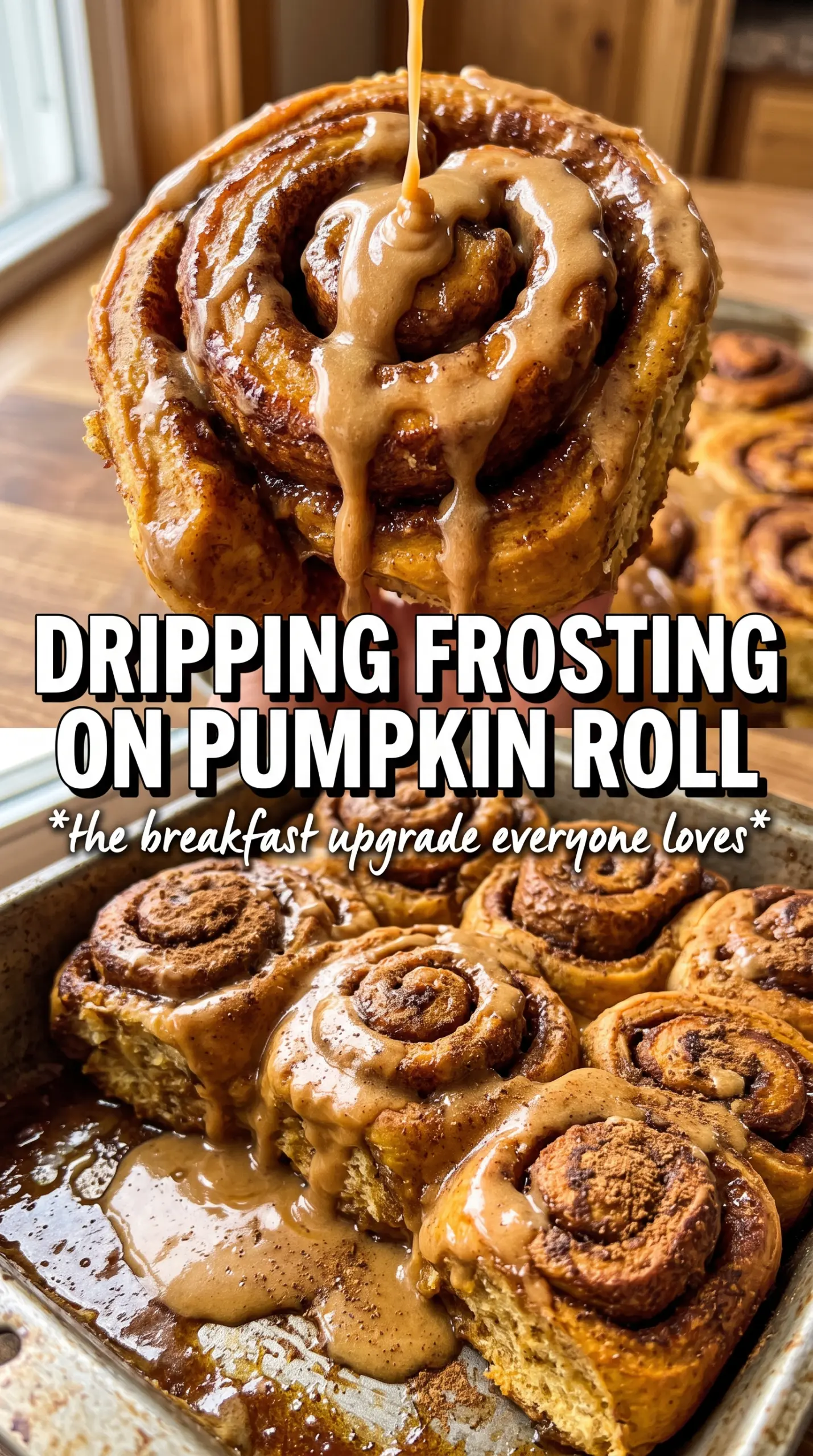
Pumpkin cinnamon rolls come out soft, tall, and tender with a filling that melts into the spirals instead of leaking out the sides. The pumpkin keeps the dough plush without making it heavy, and the coffee maple frosting adds a deep, warm finish that cuts through the sweetness in the best way. These are the kind of rolls that disappear while they’re still warm, with everyone pulling apart the sticky edges first.
What makes this version work is balance. The dough gets enough pumpkin for flavor and color, but not so much that it turns dense or gummy. The yeast starts in warm milk with sugar, which gives it an easy head start, and the filling uses softened butter so it spreads cleanly without tearing the dough. The frosting is where the whole pan comes together: cream cheese for tang, maple syrup for depth, and strong coffee for a little bitterness that keeps the glaze from tasting flat.
If you’ve ever had cinnamon rolls bake up bready in the center or dry around the edges, the method below will help with that. I’ve also included the one cue I watch for when the rolls are proofed and ready to bake, plus a few swaps that actually make sense.
The rolls baked up soft all the way through, and the coffee maple frosting soaked into the swirls just enough without making them soggy. My kitchen smelled like a bakery for hours.
Save these pumpkin cinnamon rolls with coffee maple frosting for a breakfast that bakes up soft, swirled, and rich with warm spice.
The Trick to Keeping Pumpkin Dough Soft Instead of Heavy
Pumpkin cinnamon roll dough can go wrong fast if the pumpkin is treated like extra liquid instead of part of the structure. Too much flour gets added when the dough feels tacky, and that’s how you end up with rolls that bake up dry and tight. This dough should be soft and slightly sticky before the first rise; that’s the texture you want going in.
The other place people lose the fluff is the kneading. Eight minutes sounds like a long time, but it helps the gluten develop enough to hold the rise without making the dough tough. If the dough still feels rough after kneading, it usually needs another minute or two, not a handful more flour. A little stickiness is fine here; dry dough is the real problem.
What the Pumpkin, Maple, and Coffee Are Each Doing
- Pumpkin puree — This gives the dough its color, moisture, and subtle flavor. Use plain pumpkin puree, not pumpkin pie filling, or the rolls will be too sweet and spiced before you even add the filling.
- Active dry yeast — The warm milk wakes it up and sugar feeds it. If the mixture doesn’t look foamy after a few minutes, stop there and start over; stale yeast won’t save itself later.
- Brown sugar — This is better than white sugar for the filling because it melts into a sticky layer that stays soft. It also brings a deeper molasses note that plays well with pumpkin spice.
- Strong coffee — You only need a tablespoon, but it matters. It sharpens the maple and keeps the frosting from tasting like straight powdered sugar.
- Cream cheese — This keeps the frosting thick enough to drizzle instead of running off the rolls. Full-fat cream cheese gives the cleanest texture; low-fat versions can turn loose and grainy.
From Sticky Dough to Golden Spiral Rolls
Waking Up the Yeast
Start with warm milk that feels comfortably warm on your wrist, not hot. Stir in the sugar and yeast, then let it sit until the top looks foamy and lightly expanded. That foam tells you the yeast is alive and ready to work. If the mixture stays flat, the rolls will never rise properly, no matter how long you wait.
Building the Dough
Add the melted butter, pumpkin puree, egg, and yolk, then mix in the flour, pumpkin pie spice, and salt until a shaggy dough forms. Knead until the dough turns smooth, elastic, and just a little tacky. If it clings aggressively to your hands, dust in flour sparingly; too much flour now is what makes the baked rolls dry and bready.
Rolling and Filling
Roll the dough into a 12×18-inch rectangle on a lightly floured surface. Spread the softened butter edge to edge, then scatter the brown sugar and spices evenly over the surface. Roll it up tightly from the long side so the spiral stays neat, and use a sharp knife or unflavored dental floss to cut the rolls cleanly. A squashed cut is what leads to messy, lopsided swirls.
Proofing and Baking
Arrange the rolls in the baking dish and let them rise until they look puffed and touch each other. They should hold a soft indentation when gently pressed, but still feel airy. Bake until the tops are golden and the centers are set, not wet or doughy; if the tops brown too fast, tent loosely with foil for the last few minutes. Underbaked centers are the most common failure here, especially with richer doughs like this one.
Finishing With the Frosting
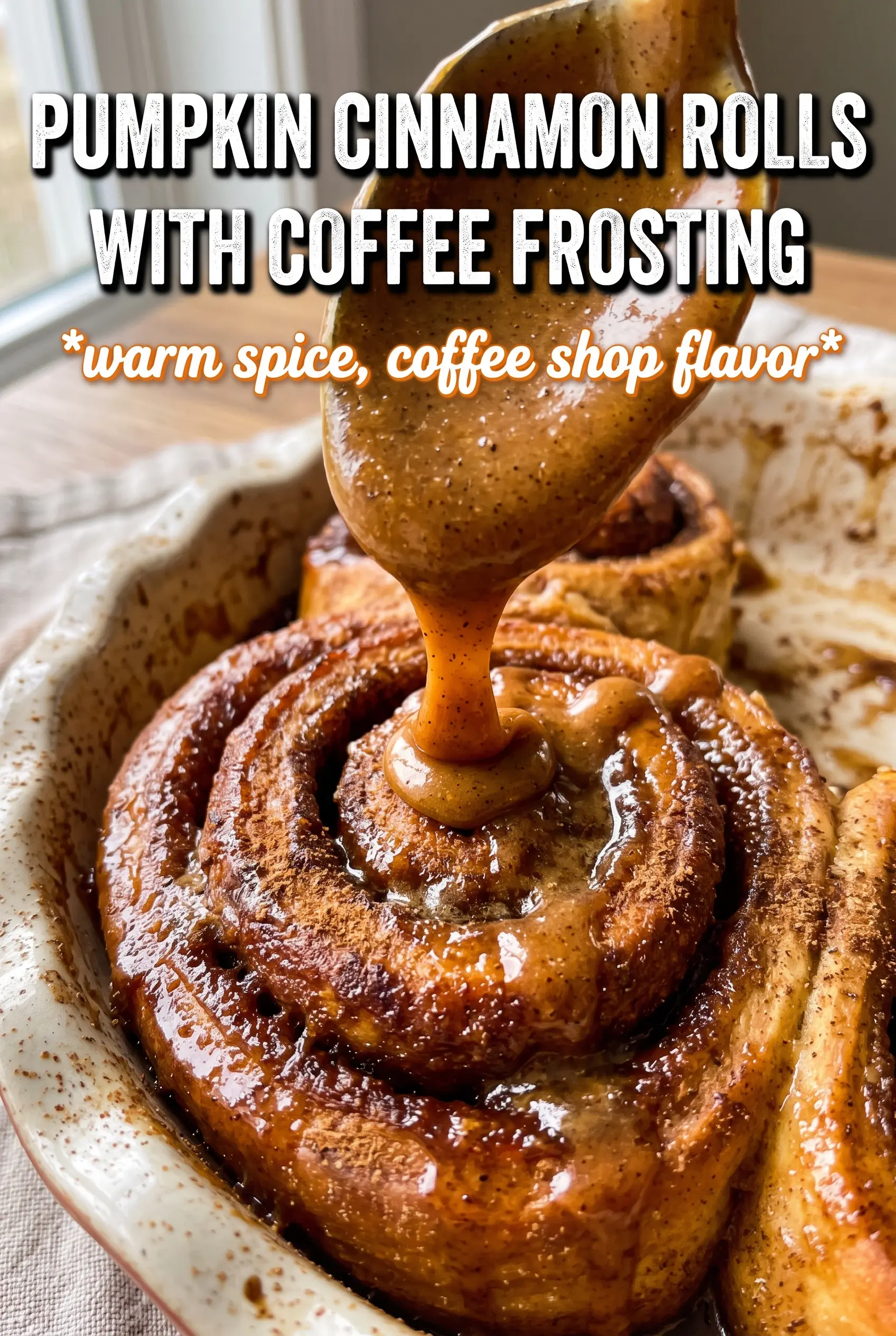
Beat the cream cheese, butter, maple syrup, coffee, and powdered sugar until smooth and glossy. The frosting should be thick enough to cling to the spoon but loose enough to drip into the grooves of the rolls. Spread or drizzle it over the rolls while they’re still warm so it melts slightly into the spirals without disappearing completely.
How to Adapt These Rolls Without Losing the Soft, Swirled Texture
Dairy-Free Version
Swap the milk for an unsweetened non-dairy milk, use plant-based butter in both the dough and filling, and replace the cream cheese with a dairy-free cream cheese that holds its shape. The rolls will still be soft, but the frosting may taste a little less tangy, so keep the coffee in the glaze for balance.
Make-Ahead Overnight Rolls
After shaping the rolls, cover the pan tightly and refrigerate overnight instead of doing the second rise at room temperature. In the morning, let them sit out until they look puffy and no longer feel cold in the center before baking. This keeps the texture fluffy, but if you bake them straight from the fridge, the middle will lag behind the edges.
Extra-Spiced Filling
If you want a stronger pumpkin spice flavor, add another 1/2 teaspoon pumpkin pie spice to the filling, not the dough. That keeps the dough balanced while making the swirl taste warmer and more aromatic. Adding too much spice to the dough can make the yeast work a little less efficiently.
Gluten-Free Note
A 1:1 gluten-free flour blend can work, but the rolls will be a little more delicate and won’t stretch quite as far when rolled. Stop mixing as soon as the dough comes together, and handle it gently during shaping. The texture will be softer and slightly more tender than the wheat-flour version.
Storage and Reheating
- Refrigerator: Store covered for up to 4 days. The rolls stay soft, though the frosting will firm up in the fridge.
- Freezer: Freeze unfrosted rolls tightly wrapped for up to 2 months. Thaw overnight in the refrigerator, then warm and frost after reheating.
- Reheating: Warm individual rolls in the microwave for 20 to 30 seconds or covered in a low oven until just heated through. Don’t blast them on high heat or the dough will dry out before the center warms.
Questions I Get Asked About This Recipe
Pumpkin Cinnamon Rolls With Coffee Maple Frosting
Ingredients
Equipment
Method
- Combine warm milk and sugar in the bowl of a stand mixer, then sprinkle in active dry yeast and let stand until foamy, about 5 minutes. Visual cue: the surface should look bubbly and active.
- Add melted butter, pumpkin puree, egg, and egg yolk, mixing until smooth. Scrape the sides so no streaks remain.
- Add flour, pumpkin pie spice, and salt, then knead with the mixer for 8 minutes. Visual cue: the dough should become soft, elastic, and slightly tacky, pulling together into a cohesive ball.
- Cover the dough and let it rise for 1 hour at warm room temperature, until doubled in size. Visual cue: when pressed lightly, the indentation should slowly spring back.
- Roll the dough into a 12x18 rectangle. Keep it even so the swirl bakes uniformly.
- Spread softened butter over the rectangle, then sprinkle brown sugar, cinnamon, and pumpkin pie spice evenly. Visual cue: the filling layer should reach the edges in a thin, even coat.
- Roll the dough tightly from the long edge into a log, keeping the spiral snug. Visual cue: the seam should land underneath.
- Cut the log into 12 rolls. Place rolls cut-side up in a 9x13 baking dish with enough space to expand.
- Cover and let the rolls rise for 45 minutes, until puffed and touching. Visual cue: the tops should look airy and rise above the pan edges.
- Bake at 375F for 22-25 minutes. Visual cue: the rolls should be deep golden orange and the centers should look set when you peek.
- Beat cream cheese, butter, pure maple syrup, strong coffee, and powdered sugar until smooth. Drizzle over warm rolls immediately so the frosting slightly melts into the ridges.