Golden, bubbling apple crumble is one of those desserts that disappears fast because every part of it earns its place: soft cinnamon apples underneath, a sandy, crisp topping on top, and just enough buttery richness to make the whole dish feel complete. The best version doesn’t go mushy or bland. It lands with tender fruit, caramelized edges, and a crumble that stays properly nubby instead of turning into a paste.
The trick is keeping the apples separate from the topping until the last minute and using cold butter for the crumble. Cold butter doesn’t disappear into the flour right away, so you get those little pockets that bake into crisp, uneven bits instead of a flat lid. A mix of white sugar and light brown sugar gives the topping both crunch and a deeper caramel note, while lemon juice keeps the apples tasting bright instead of dull.
Below, I’ll show you the cue I watch for when the crumble is done, plus the small detail that keeps the topping from sinking into the fruit. If you’ve ever had an apple crumble come out watery or heavy, this is the part worth paying attention to.
The topping baked up crisp and sandy, and the apples stayed tender without turning to sauce. I served it with custard and there wasn’t a crumb left.
Love the crisp cinnamon topping and tender apple filling? Save this apple crumble for the nights when you want a warm British dessert with almost no fuss.
The Small Mistake That Turns Apple Crumble Soggy
Apple crumble usually goes wrong in one of two ways: the fruit turns watery, or the topping bakes into a dense lid instead of a crisp rubble of crumbs. Both problems come from treating it like a cake. It isn’t one. The filling needs room to bubble, and the topping needs to stay loose so hot air can crisp the butter-flour mixture instead of steaming it flat.
The other thing that matters is the balance of sweet and tart apples. Cooking apples hold their shape better and give you a filling that tastes like apples, not applesauce. If your apples are especially sharp, the sugar in the filling will take care of it; if they’re already sweet, don’t overdo the sugar or the juices will turn thin and syrupy before the topping has time to brown.
- Keep the crumble loose. If you press the topping down, it loses the rough surface that browns properly.
- Watch the edges, not just the top. The filling should bubble around the sides before you pull it out.
- Use enough cinnamon to notice, not enough to hide the apples. The fruit should still taste like fruit.
What Each Ingredient Is Doing in This Dish
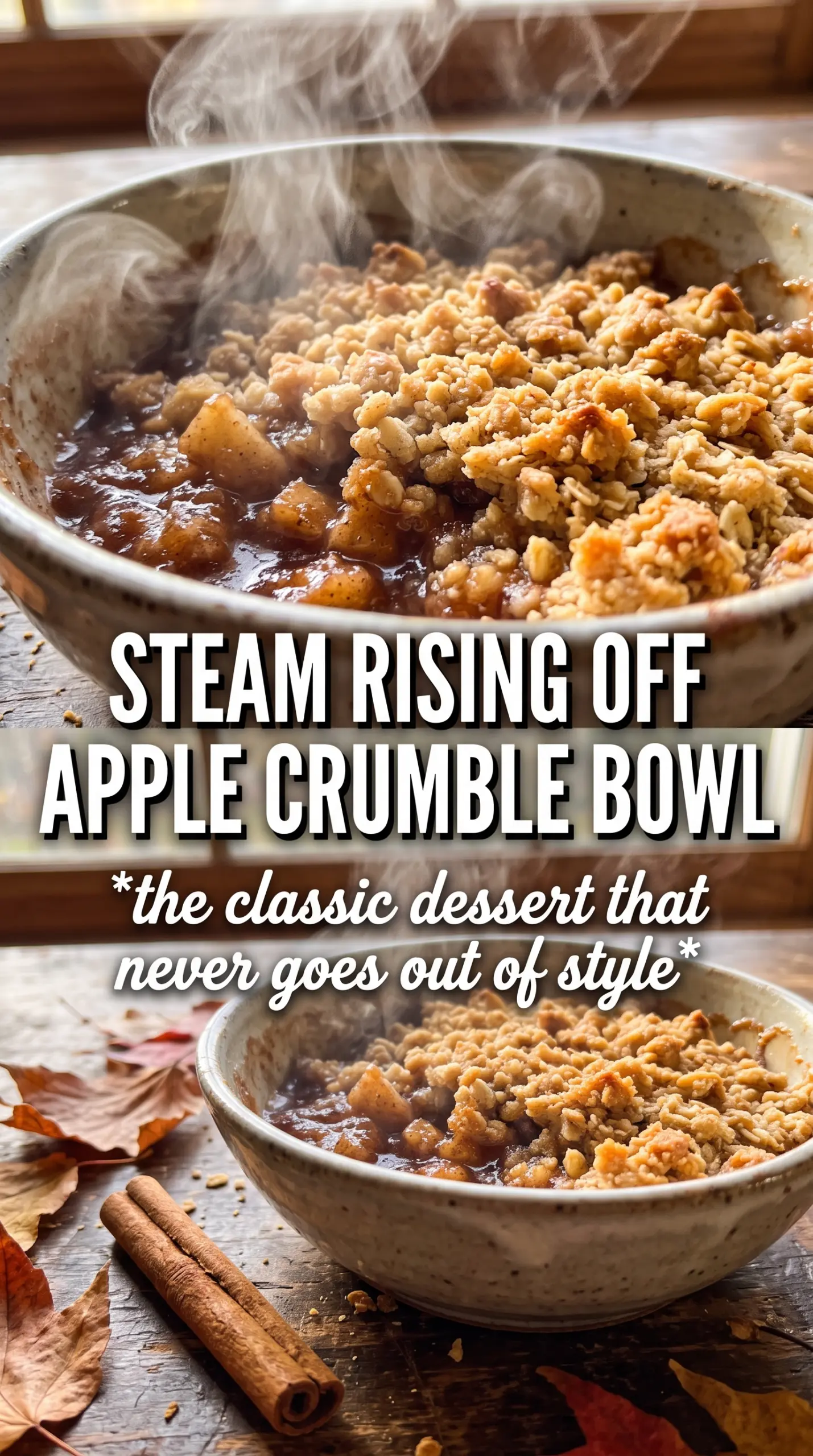
- Cooking apples — These are the backbone of the filling. They soften without collapsing completely, which gives you tender pieces instead of a wet puree.
- Lemon juice — This keeps the apples tasting bright and stops the flavor from flattening as they bake. It also helps slow browning while you’re assembling the dish.
- Cold butter — This is what creates the crumble. Soft or melted butter blends too evenly into the flour and bakes up heavy.
- Plain flour — It gives the topping structure. Self-raising flour will puff more than you want and changes the texture.
- Brown sugar — This adds a little caramel depth and helps the topping brown more richly than white sugar alone.
Building the Topping So It Bakes Crisp
Start with cold butter
Cut the butter into the flour until you have coarse crumbs with a few bigger pieces still visible. Those uneven bits are what bake into crisp, craggy pockets. If the butter starts to smear or melt, the mixture is warming up too much, so stop and chill it for a few minutes before continuing.
Season the crumbs, then leave them alone
Stir in the sugars, cinnamon, and salt only after the flour and butter look sandy. That order matters because the sugar helps the topping brown, but it also draws moisture; if it goes in too early, the mixture can clump and lose its light texture. You want a topping that falls apart in your hands, not one that packs like damp sand.
Spread, don’t press
Spoon the crumble evenly over the apples, then leave it loose. The surface should look rough and irregular, with some fruit peeking through around the edges. That uneven top is what turns golden and crisp. If you smooth it down, the center stays pale and the texture gets compact.
Bake until the filling bubbles
The crumble is done when the top is pale gold and you can see the apple juices bubbling at the edges of the dish. That bubbling is the real cue that the fruit has softened and the filling has thickened enough. If the topping looks browned but the filling isn’t bubbling yet, keep baking; otherwise the apples can stay undercooked and watery under a pretty crust.
Three Practical Ways to Adjust This Apple Crumble
Dairy-Free Version
Use a firm dairy-free baking block instead of butter. The topping will still crisp, but it won’t taste quite as rich, so lean a little harder on the cinnamon and serve it warm with dairy-free ice cream or custard.
Gluten-Free Swap
Use a good 1:1 gluten-free flour blend in place of the plain flour. The texture will be a little more delicate and slightly less sandy, but the crumble still bakes up well if you keep the butter cold and don’t overwork it.
Adding Pears
Swap up to one-third of the apples for peeled, sliced pears if you want a softer, perfume-like filling. Pears break down faster than apples, so keep the pieces chunky and watch the bake closely near the end.
Storage and Reheating
- Refrigerator: Store covered for up to 4 days. The topping softens a little in the fridge, but the flavor holds well.
- Freezer: It freezes well after baking. Cool completely, wrap tightly, and freeze for up to 2 months. Thaw overnight in the fridge before reheating.
- Reheating: Warm in a 180C (350F) oven until the filling is hot and the topping crisps back up. The microwave will heat it, but it softens the crumble and leaves the edges limp.
Answers to the Questions Worth Asking
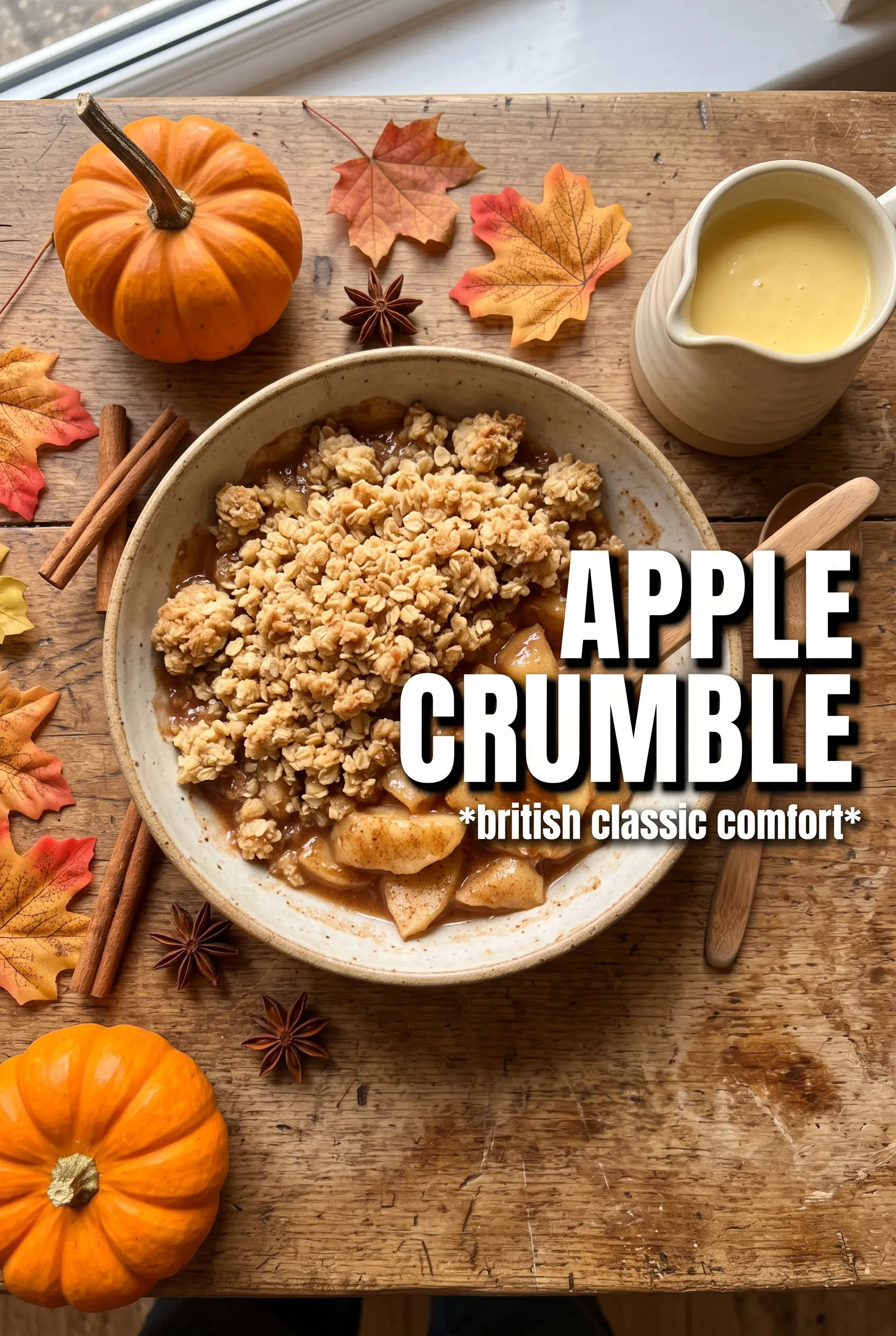
Apple Crumble
Ingredients
Equipment
Method
- Preheat the oven to 190C (375F), then grease a large baking dish to prevent sticking.
- Toss the apple slices with granulated sugar, cinnamon, and lemon juice, then spread the mixture in the prepared dish in an even layer.
- Place the flour and cold unsalted butter in a bowl, then rub together with your fingertips until the mixture resembles coarse breadcrumbs with some larger pieces.
- Stir in both sugars, cinnamon, and salt until the crumble looks evenly speckled.
- Spread the crumble evenly over the apples without packing it down so it stays sandy and crisp.
- Bake for 35-40 minutes at 190C (375F) until the topping is pale golden and the apple filling bubbles at the edges.
- Serve warm with custard, double cream, or vanilla ice cream.