Canning cranberry sauce gives you jars of glossy, jewel-bright fruit that hold their shape just enough to spoon over turkey, biscuits, or a holiday cheese board. The texture lands between jam and sauce: thick, spoonable, and studded with whole berries that pop after they’ve been cooked long enough to split open but not long enough to turn dull and pasty. Once you’ve put up a batch, it feels less like one more side dish and more like a shortcut to an easy meal later on.
The balance here matters. Sugar gives the sauce body and helps it set up in the jar, while orange juice and zest keep it from tasting flat. Bottled lemon juice isn’t just for brightness; it keeps the acidity where it needs to be for safe water-bath canning. That’s one place I wouldn’t swap ingredients casually, because the right acid level is part of what makes this recipe reliable.
Below, I’ve laid out the small details that keep the jars sealed and the sauce from turning runny. If you’ve ever had cranberry sauce separate, over-thicken, or end up with berries that completely collapse, the process notes will help you avoid those common misses.
The sauce thickened up beautifully and the berries stayed whole instead of turning into mush. I followed the headspace exactly, and every jar sealed on the first try.
Love those glossy cranberry jars? Save this canning cranberry sauce recipe for the batch days when you want bright citrus flavor and clean, reliable seals.
The Part That Keeps Cranberry Sauce from Turning Flat in the Jar
The mistake most people make with cranberry sauce is cooking it until the berries are completely collapsed and the liquid has reduced too far before it ever hits the jars. That sounds efficient, but it leaves you with a sauce that can turn sticky once it cools and sometimes looks dense instead of glossy. Here, the berries are cooked just until they burst and the sauce thickens enough to coat a spoon. That gives you a finished jar with a bright, spoonable texture instead of a stiff paste.
Another detail that matters is using bottled lemon juice, not fresh. Fresh lemons vary too much in acidity for canning, and this recipe needs dependable acid to stay safe in a boiling water bath. The orange juice and zest are for flavor, but the lemon juice is doing technical work, not just adding tang.
What Each Ingredient Is Doing in This Jar
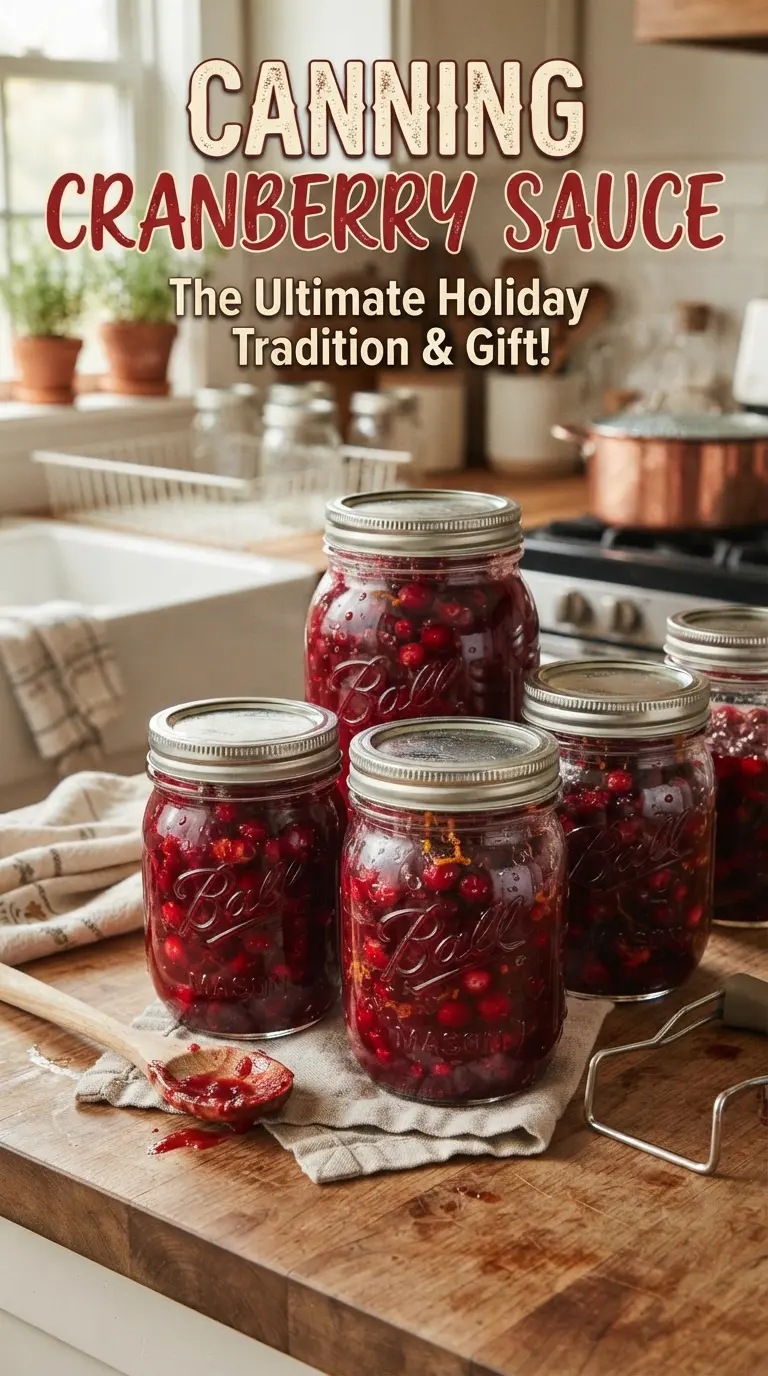
- Fresh cranberries — These give the sauce its body and that familiar pop of tart fruit. Frozen cranberries work too; use them straight from frozen and expect the boil to take a minute or two longer.
- Sugar — This softens the sharpness of the berries and helps the sauce thicken as it cooks and cools. Cutting it much lower changes the set and the flavor balance, and for canning I wouldn’t reduce it unless you’re using a tested low-sugar preserving formula.
- Orange juice and zest — The juice adds sweetness and a citrus note that rounds out the cranberries, while the zest gives the finished sauce a fresher, brighter aroma. Use a fine grater and avoid the bitter white pith.
- Bottled lemon juice — This is the canning safety ingredient. Don’t substitute fresh lemon juice here unless you know it measures to the same acidity; bottled juice is the dependable choice.
Cooking the Sauce Before the Water Bath Does the Real Work
Dissolving the Syrup Base
Bring the sugar, water, and orange juice to a full boil before the cranberries go in. You want the sugar fully dissolved and the liquid clear, not grainy at the bottom of the pot. If the sugar is still sitting in crystals when the berries go in, it can scorch and leave the sauce tasting cooked in the wrong way.
Cooking Until the Berries Burst
Add the cranberries and lemon juice, then keep the boil gentle and steady for 10 to 12 minutes. You’re looking for most of the berries to split and the liquid to thicken enough that it coats the back of a spoon. If you boil it hard the whole time, the mixture can foam up and cook down too fast, which makes the finished jars thicker than intended and harder to portion.
Jarring with the Right Headspace
Ladle the sauce into hot jars while it’s still piping hot, and leave a clean 1/4-inch headspace. Wipe the rims carefully, because even a little bit of cranberry sauce on the glass can keep a lid from sealing. Fingertip-tight bands are enough; crank them down and you can trap air that interferes with the seal.
Processing and Cooling Without Moving the Jars
Process the jars in the boiling water bath for 15 minutes, then turn off the heat and let them rest in the canner for 5 minutes before lifting them out. That short rest helps reduce siphoning, which is when liquid leaks out as the jars are moved too soon. Once they’re on the counter, leave them alone for 24 hours. No tightening lids, no checking every few minutes, no moving them around for a better look.
Make It a Little Brighter with Extra Citrus
Swap part of the orange juice for an extra tablespoon or two of zest if you want the cranberry flavor to stay front and center. The result is sharper and less sweet, but the jars still set and seal the same way.
Lower-Sugar Version for Serving, Not Canning
If you want a tart cranberry sauce for immediate use, you can cut the sugar a bit and simmer it down on the stovetop. The texture will be looser and the flavor sharper, but don’t use that version for water-bath canning unless it comes from a tested low-sugar preserving recipe.
Frozen Cranberries When Fresh Aren’t Available
Frozen cranberries work well here and don’t need to be thawed first. Add them straight to the hot syrup and give the pot an extra minute or two to come back to a steady boil after they go in.
Storage and Reheating
- Refrigerator: Once opened, keep the jars refrigerated and use within 2 to 3 weeks. The sauce may thicken a little more as it chills.
- Freezer: This isn’t the best freezer recipe once it’s canned, and the texture can turn watery after thawing. If you want to freeze a portion for later, set aside some sauce before canning and freeze it in a freezer-safe container.
- Reheating: You usually don’t need to reheat canned cranberry sauce, but if you want it warm, spoon it into a small saucepan over low heat. High heat makes the sugars grab and can turn the sauce sticky on the bottom before the center loosens.
Answers to the Questions Worth Asking
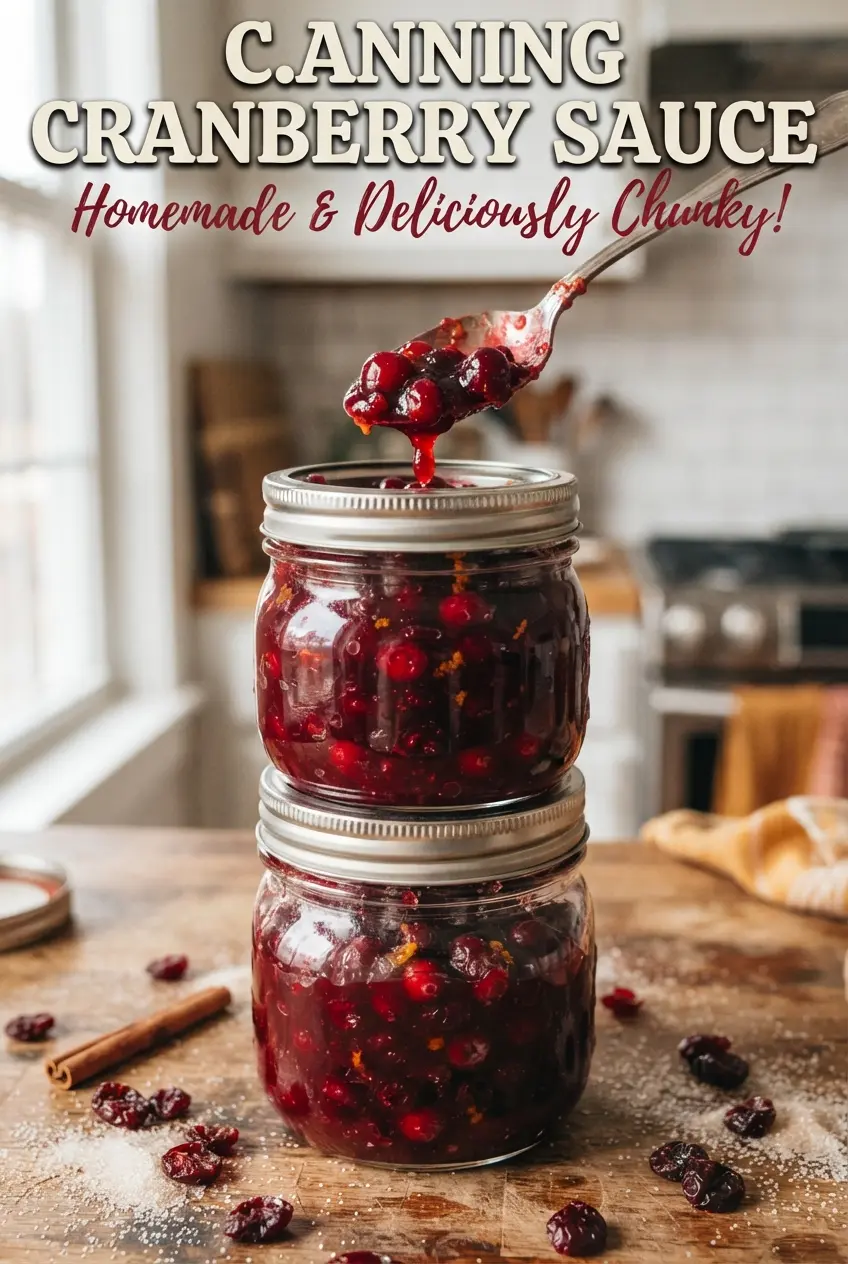
Canning Cranberry Sauce
Ingredients
Equipment
Method
- Wash 12 half-pint jars, lids, and bands, then keep the jars hot in simmering water until ready to fill.
- Keep the jars upright and covered with water so they stay hot while you cook the cranberry mixture.
- Bring sugar, water, and orange juice to a boil in a large pot, stirring until the sugar dissolves.
- Add cranberries and bottled lemon juice and boil gently for 10-12 minutes, stirring occasionally, until the berries burst and the sauce thickens.
- Stir in orange zest and boil for 1 minute more so the flavor disperses, then remove from heat.
- Ladle hot sauce into the hot jars, leaving 1/4-inch headspace.
- Wipe the jar rims clean, then apply lids and bands fingertip tight.
- Process the jars in a boiling water bath canner for 15 minutes, adjusting the time for altitude as needed.
- Turn off the heat, rest the jars in the canner for 5 minutes, then lift them out and cool undisturbed for 24 hours.
- After 24 hours, check that lids have sealed by pressing the center—sealed lids should not flex.
- Store sealed jars in a cool, dark place for up to 1 year; refrigerate any unsealed jars and use first.