Creamy, slightly mashed Japanese potato salad has a way of disappearing fast once it hits the table. The potatoes stay soft and fluffy with just enough texture to keep each bite interesting, while the cucumber brings a clean crunch and the carrot and corn add little pockets of sweetness. It’s the kind of side dish that feels familiar the first time you taste it, even if you’ve never made it before.
What makes this version work is the contrast. The potatoes are cooked until very tender, then mashed while they’re still warm so they can soak up the dressing instead of turning gluey. The cucumber gets salted first so it doesn’t water everything down later, and the dressing is a simple mix of mayo, rice vinegar, and a touch of sugar that gives the salad that classic Japanese deli-style balance. If you’ve only had heavier potato salad before, this one is a little brighter and more delicate.
Below, I’ve included the small steps that matter most — especially how to keep the texture creamy without making it mushy, and how to adjust the salad if you want a lighter or more traditional result.
The potatoes held their shape just enough, and salting the cucumber first kept the salad from turning watery. I chilled it overnight and the flavor was even better the next day.
Save this Japanese potato salad for the days when you want a creamy, chilled side dish with crisp cucumber and fluffy potatoes.
The Trick to Keeping the Salad Creamy Without Turning It Dense
The biggest mistake with potato salad is letting the potatoes cool too much before you mash and dress them. Warm potatoes absorb the mayo mixture better, which gives you that soft, creamy texture instead of a dry, broken-up bowl. You still want a few chunks left behind; that slight unevenness is what makes Japanese potato salad feel light instead of pasty.
The other thing that matters here is moisture control. Cucumbers hold a lot of water, and if you skip the salting step, that liquid leaks into the salad and thins the dressing after it sits. The result is a watery bottom layer and a salad that tastes flat. A short rest with salt fixes that cleanly.
What the Mayo, Vinegar, and Sugar Are Doing Here
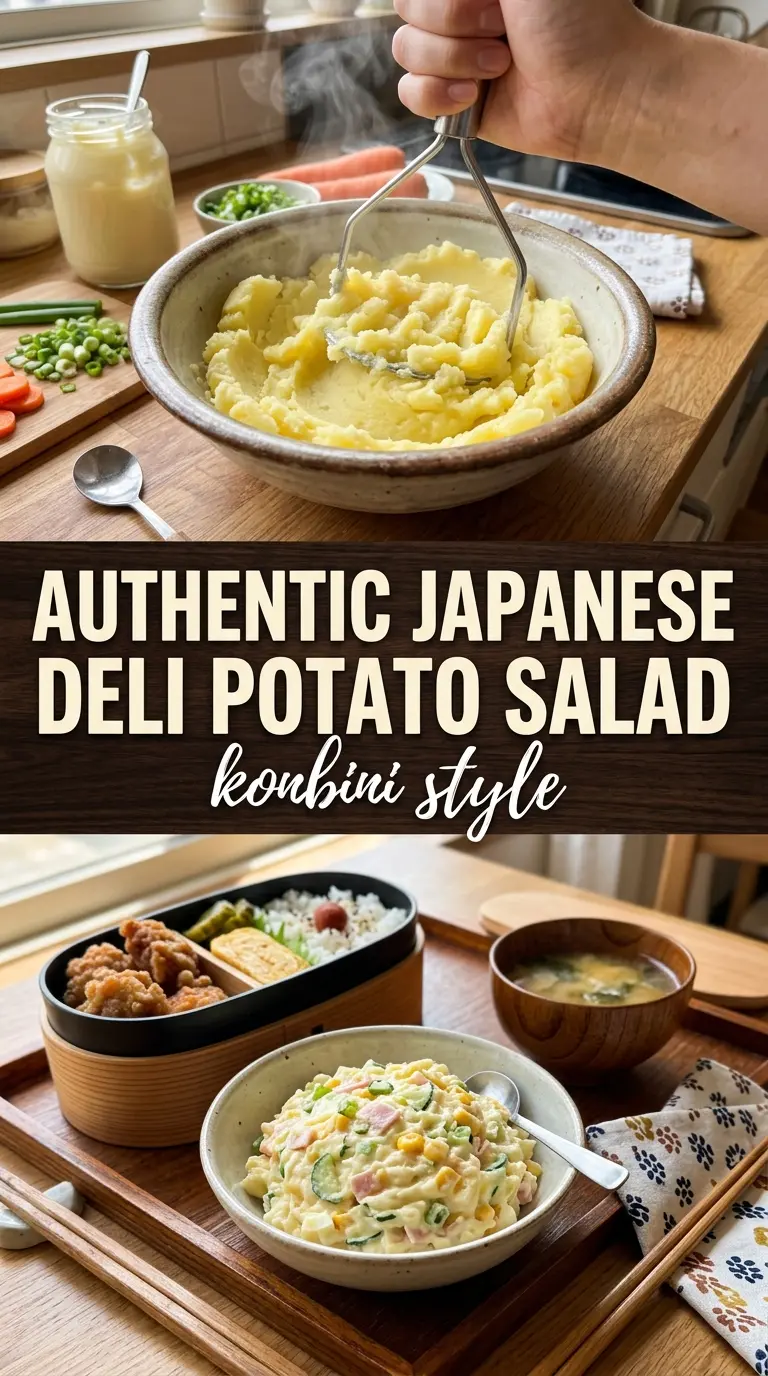
- Russet potatoes — These break down in a way that gives the salad its soft, slightly fluffy body. Waxy potatoes stay firmer and won’t mash into the same creamy, rustic texture. If you need a swap, Yukon Golds work, but the salad will be a little richer and less airy.
- Japanese mayonnaise — This is the ingredient that gives the salad its signature round, tangy richness. Regular mayo works in a pinch, but it tastes sharper and less velvety. If you use regular mayo, the rice vinegar and sugar matter even more to keep the balance right.
- Rice vinegar — A small amount brightens the potatoes and keeps the dressing from feeling heavy. White vinegar is harsher and can throw the flavor off, so use it only if you dilute it slightly with a touch of water and sugar.
- Cucumber — Salting and squeezing the cucumber is not optional if you want the salad to hold. That step pulls out the extra moisture before it can water down the dressing. Slice it thin so it folds in cleanly instead of clumping.
- Eggs, carrot, and corn — The eggs add richness, the carrot gives a little sweetness and color, and the corn brings tiny bursts of texture. None of them should overpower the potatoes. Keep the carrot dice small so it softens into the salad instead of sticking out as hard chunks.
How to Build the Texture So It Stays Soft and Lively
Cooking the Potatoes Until They Collapse Easily
Boil the potatoes until a knife slides through with no resistance and the pieces start to look slightly ragged at the edges. If they’re undercooked, you’ll end up with hard bits that don’t absorb the dressing. Drain them well so extra water doesn’t thin everything out, then return them to the hot pot for a minute if they seem steamy and wet.
Mashing While They’re Still Warm
Mash the potatoes while they’re warm, not once they’ve gone fully cold. Warm starch takes up the dressing more evenly, and that’s what gives the salad its creamy body. Stop mashing while there are still some small chunks left; if you go too far, the salad turns dense and heavy instead of soft and scoopable.
Mixing in the Dressing at the Right Time
Combine the mayo, rice vinegar, sugar, salt, and pepper before folding it into the potatoes. That keeps the seasoning even, which matters because cold mayo straight from the spoon can leave pockets of blandness. Fold gently so the potato pieces stay textured. Stirring hard will crush everything and make the salad paste-like.
Chilling for the Flavor to Settle
This salad needs time in the fridge. Two hours is the minimum if you want the flavors to come together and the texture to firm up slightly. If you serve it right away, the dressing tastes a little sharp and the cucumber doesn’t blend in as well. After chilling, give it one last stir and taste again for salt, since cold potatoes dull seasoning.
How to Adjust It for Different Tables and Different Tastes
Make it dairy-free and gluten-free without changing the texture
This recipe is naturally gluten-free, so the main job is just checking your mayo if you’re serving someone with strict dietary needs. Use a dairy-free mayonnaise if needed, then keep the rest exactly the same. The texture stays creamy, and you won’t lose the classic potato salad feel.
Use Yukon Gold potatoes for a richer, smoother salad
Yukon Golds give you a creamier mash and a slightly buttery taste. They hold together a little better than russets, so the salad will look neater and feel a bit denser. That’s a good swap if you want a less fluffy, more polished bowl.
Add ham or skip the egg to match the meal
If you want to turn this into a fuller side, a little diced ham folds in easily and fits the same soft texture. If you’re avoiding eggs, leave them out and add a touch more mayo for richness. The salad will still taste balanced as long as you keep the cucumber properly drained.
Storage and Reheating
- Refrigerator: Store covered for up to 3 days. The salad may tighten a little as it chills, and the cucumber will soften slightly, but the flavor stays good.
- Freezer: Don’t freeze it. Mayo-based potato salad separates after thawing, and the cucumbers turn limp and watery.
- Reheating: This is best served cold. If it’s been in the fridge, let it sit out for 10 to 15 minutes so the dressing loosens a bit, then stir and taste before serving.
Answers to the Questions Worth Asking
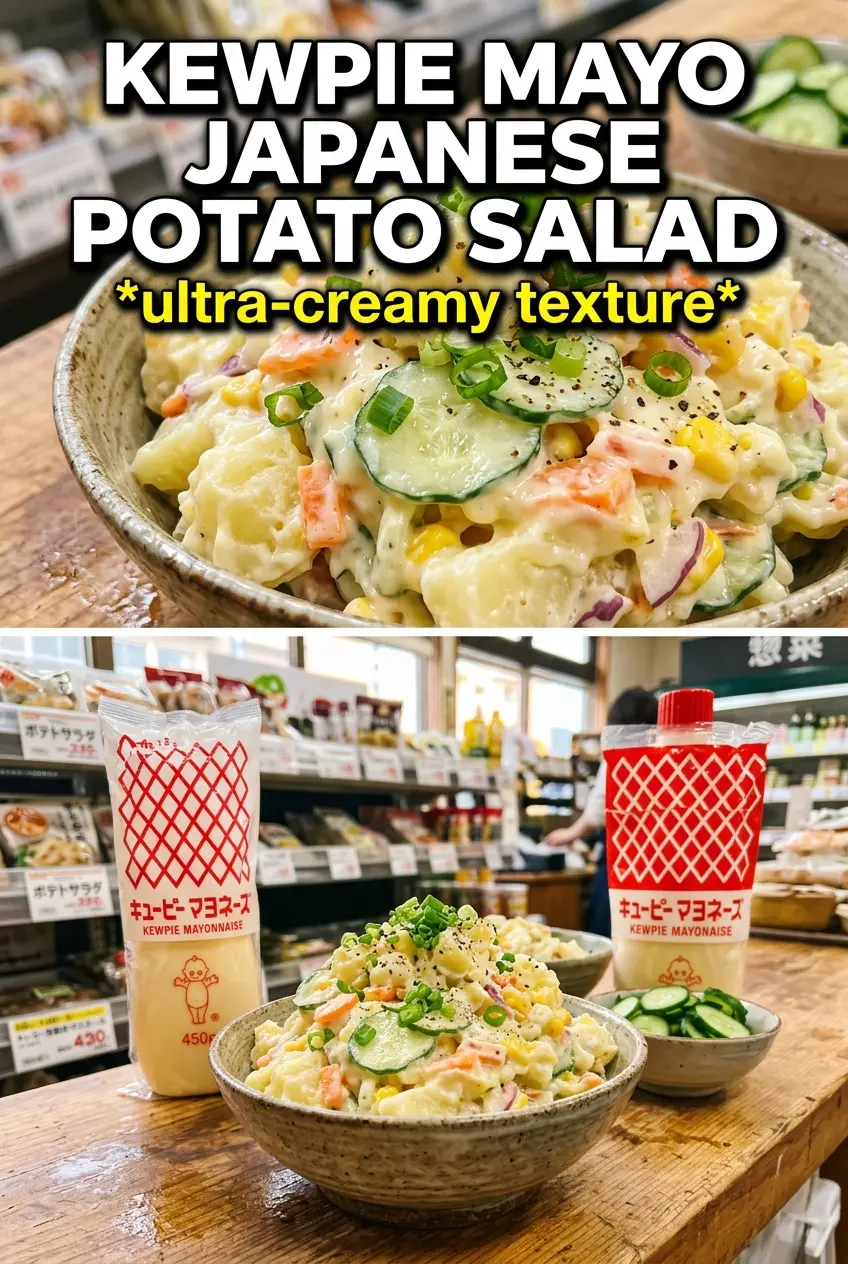
Japanese Potato Salad
Ingredients
Equipment
Method
- Bring a Dutch oven of water to a boil, then add russet potatoes and cook until very tender, about 15–20 minutes. Drain thoroughly.
- Mash the potatoes while still warm, leaving some chunks for a slightly textured finish.
- Blanch the carrots in boiling water for 2 minutes, then drain well.
- Salt the cucumber slices and let them sit for 10 minutes. Squeeze out the liquid so the salad stays creamy, not watery.
- Combine the mashed potatoes, carrots, cucumber, corn, and chopped hard-boiled eggs in a mixing bowl. Stir until evenly distributed.
- Mix the Japanese mayonnaise, rice vinegar, sugar, salt, and pepper in a separate bowl. Whisk until smooth and glossy.
- Fold the dressing into the potato mixture until everything is coated and looks creamy with visible chunks. Season again if needed.
- Refrigerate the Japanese potato salad for at least 2 hours before serving. Chill until firm and flavors meld.