Cold, creamy potato salad only works when the potatoes stay intact, the dressing stays tangy, and the whole bowl tastes like it had time to settle together. This version does that without turning gluey or watery. The potatoes hold their shape, the eggs add richness, and the relish gives just enough sweetness to keep every bite balanced.
The trick is in the cooling and the folding. Warm potatoes can soak up dressing in a good way, but if they’re too hot, the mayonnaise turns loose and the salad loses its texture. Russets give you that classic soft bite, but they need to be cooked just until tender so they don’t collapse when you mix everything together. The vinegar and mustard keep the dressing bright, which matters more than people think in a chilled salad.
Below you’ll find the small details that keep this salad creamy instead of heavy, plus a few variations for different tastes and make-ahead plans. If potato salad has ever turned out bland, gummy, or thin, the fixes here will help.
The dressing clung to the potatoes instead of pooling at the bottom, and the balance of mustard and relish tasted like the potato salad I remember from cookouts growing up.
Classic creamy picnic potato salad with eggs, relish, and a tangy mustard dressing
The Reason This Potato Salad Stays Creamy Instead of Turning Gluey
Potato salad goes wrong fast when the potatoes are overworked or the dressing gets added at the wrong temperature. Russets are soft and classic, but they break down easily, which is why gentle folding matters more here than in a chunkier potato salad made with waxy potatoes. You want the cubes tender enough to bite through, not so soft that they shred as soon as the spoon hits the bowl.
The other thing that keeps this salad from turning flat is the balance in the dressing. Mayonnaise gives the body, mustard keeps it sharp, and vinegar keeps the whole bowl from tasting heavy after a few hours in the fridge. If the salad tastes dull after chilling, it usually needed a little more salt before it went in the refrigerator, because cold mutes seasoning.
What Each Ingredient Is Doing in the Bowl
- Russet potatoes — They break down a little at the edges, which helps the salad feel creamy without needing extra dressing. Peel them so the texture stays clean and the bowl doesn’t get muddy. If you only have Yukon Golds, they’ll hold their shape better and taste a little richer, but the salad will be less old-fashioned and more structured.
- Mayonnaise — This is the base that carries the dressing and coats the potatoes evenly. Use a good full-fat mayo here; light versions can turn thin after chilling. If you need to loosen the dressing, whisk in a teaspoon or two of vinegar or a splash of pickle juice instead of more mayo.
- Yellow mustard and white vinegar — These keep the dressing bright and give the salad its familiar picnic bite. Yellow mustard gives the classic flavor; Dijon will work in a pinch, but it changes the profile and can taste sharper. The vinegar matters because cold potato salad needs acid to wake it up.
- Sweet pickle relish — This adds sweetness, crunch, and a little moisture all at once. Drain it lightly if it looks very wet, or the salad can slide toward soupy. Chopped sweet pickles can stand in if you want a less processed texture.
- Hard-boiled eggs — They add richness and help the salad feel complete. Chop them once they’re fully cool so the yolks stay tender instead of smearing into the potatoes. If you leave them out, the salad still works, but it loses some of that classic picnic character.
- Celery and onion — These bring the crunch that keeps each bite from feeling heavy. Dice them small so they blend into the salad instead of fighting it. If raw onion is too sharp for your crowd, rinse the diced onion under cold water for 10 seconds and pat it dry before adding it.
How to Build the Salad So It Chills Well
Cooking the Potatoes Just to Tender
Start the potatoes in cold water and bring them up together so the outsides don’t fall apart before the centers are done. Cook until a knife slides in without resistance, but stop before the cubes get ragged at the edges. Drain them well, then let them cool completely; if they’re steaming hot when the dressing goes in, the mayo can break and the salad can turn greasy.
Mixing the Dressing First
Whisk the mayonnaise, mustard, vinegar, sugar, salt, and pepper in a separate bowl before it touches the potatoes. That gives you a balanced dressing instead of streaks of seasoning. Taste it before you combine everything; it should be a little stronger than you want the finished salad because the potatoes will soften the flavor once they’re mixed in.
Folding Without Crushing
Add the potatoes, eggs, celery, onion, and relish to a large bowl, then spoon the dressing over the top and fold gently with a spatula. Don’t stir hard. The goal is coated pieces with some texture left, not mashed potatoes with extras. Chill the salad for at least 3 hours so the flavors settle and the dressing thickens back up around the potatoes.
Finishing With Paprika
Sprinkle the paprika right before serving so it stays bright on top instead of dissolving into the dressing. A light dusting is enough. If the salad has been chilling overnight, give it one gentle stir before garnishing and check the seasoning again, because cold dulls salt and acid more than most people expect.
How to Adapt This for Different Crowds and Preferences
Dairy-Free by Design
This recipe is already dairy-free as written, as long as your mayonnaise is dairy-free, which most standard brands are. That makes it an easy picnic side for mixed groups without changing the texture or the classic flavor.
A Tangier, Less Sweet Version
Cut the sugar back to half a teaspoon and use dill pickle relish instead of sweet relish. You’ll lose some of the old-fashioned sweetness, but the salad will taste sharper and a little cleaner, which works well next to smoky grilled food.
Egg-Free for a Simpler Bowl
Leave out the hard-boiled eggs and add an extra tablespoon or two of mayonnaise if you want the same creamy feel. The salad will still hold together, but it’ll lean more toward a straight picnic potato salad and less toward the classic deli-style version.
Storage and Reheating
- Refrigerator: Keeps well for 3 to 4 days in a covered container. The texture gets a little softer on day two, but the flavor usually improves.
- Freezer: I don’t recommend freezing this salad. Mayonnaise separates and the potatoes turn grainy after thawing.
- Reheating: Serve it cold straight from the fridge. If it tastes flat after chilling, stir in a small pinch of salt or a teaspoon of vinegar instead of warming it, which only makes the dressing loose.
Answers to the Questions Worth Asking
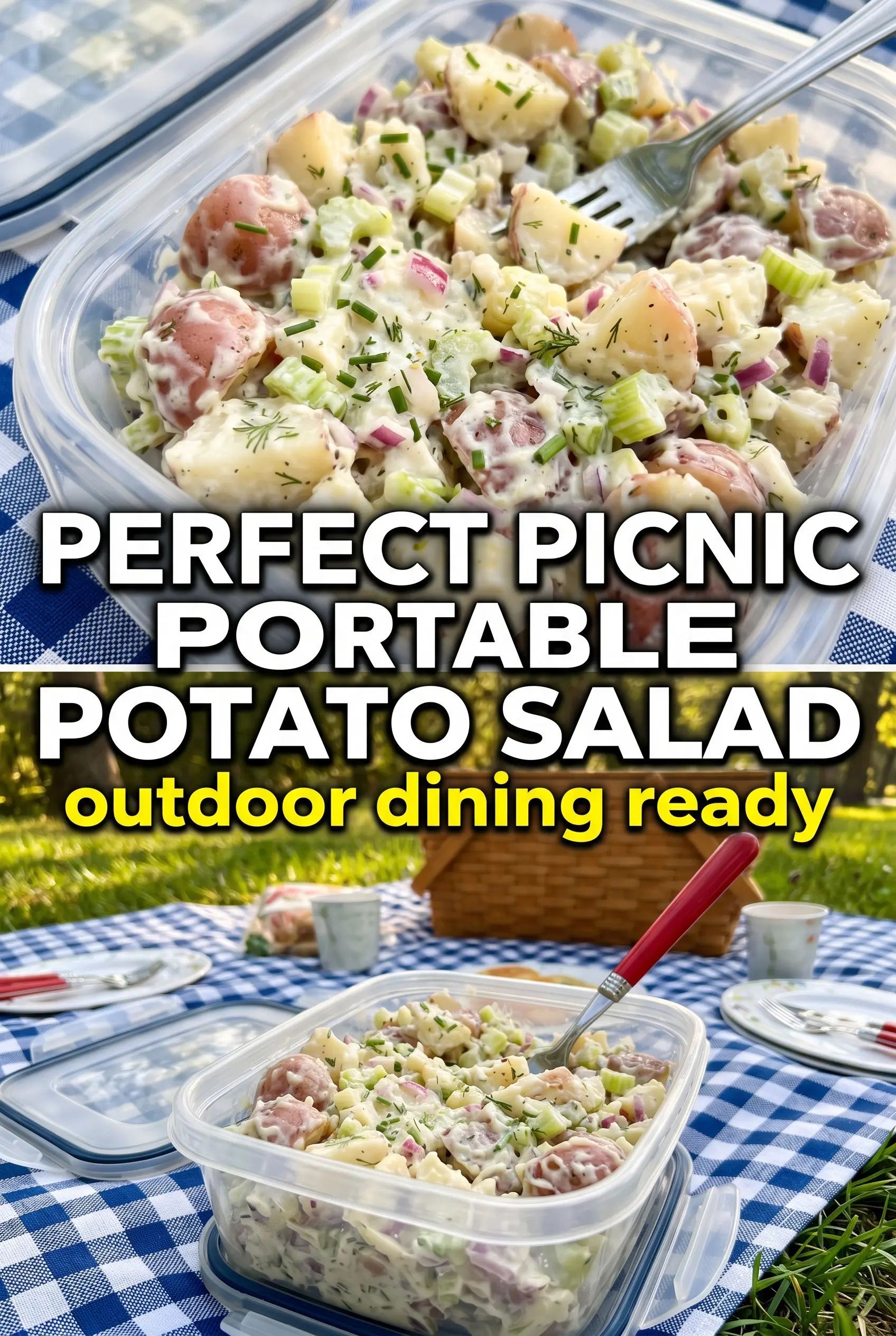
Picnic Potato Salad
Ingredients
Equipment
Method
- Bring a large pot of water to a boil over high heat. Boil the peeled and cubed russet potatoes for 15 to 20 minutes, until easily pierced with a fork, with a visual cue that the cubes look tender.
- Drain the potatoes and spread them out to cool completely. Let them stand until they are no longer steaming, using a visual cue of dry, room-temperature surfaces.
- In a large mixing bowl, combine the cooled potatoes, chopped hard-boiled eggs, diced celery, finely diced onion, and sweet pickle relish. Stir until the mix looks evenly distributed with no large dry pockets.
- In a separate bowl, whisk together mayonnaise, yellow mustard, white vinegar, sugar, salt, and black pepper until smooth. Use a visual cue of a uniform, creamy dressing with no mustard streaks.
- Pour the dressing over the potato mixture and fold gently until everything is coated. Keep folding just until you no longer see dry potato, with a visual cue of glossy, creamy coverage.
- Refrigerate the potato salad for at least 3 hours to chill and set the flavors. You should see it thicken slightly as it cools.
- Just before serving, garnish the top evenly with paprika. Look for a light red sprinkle across the surface right before the picnic.