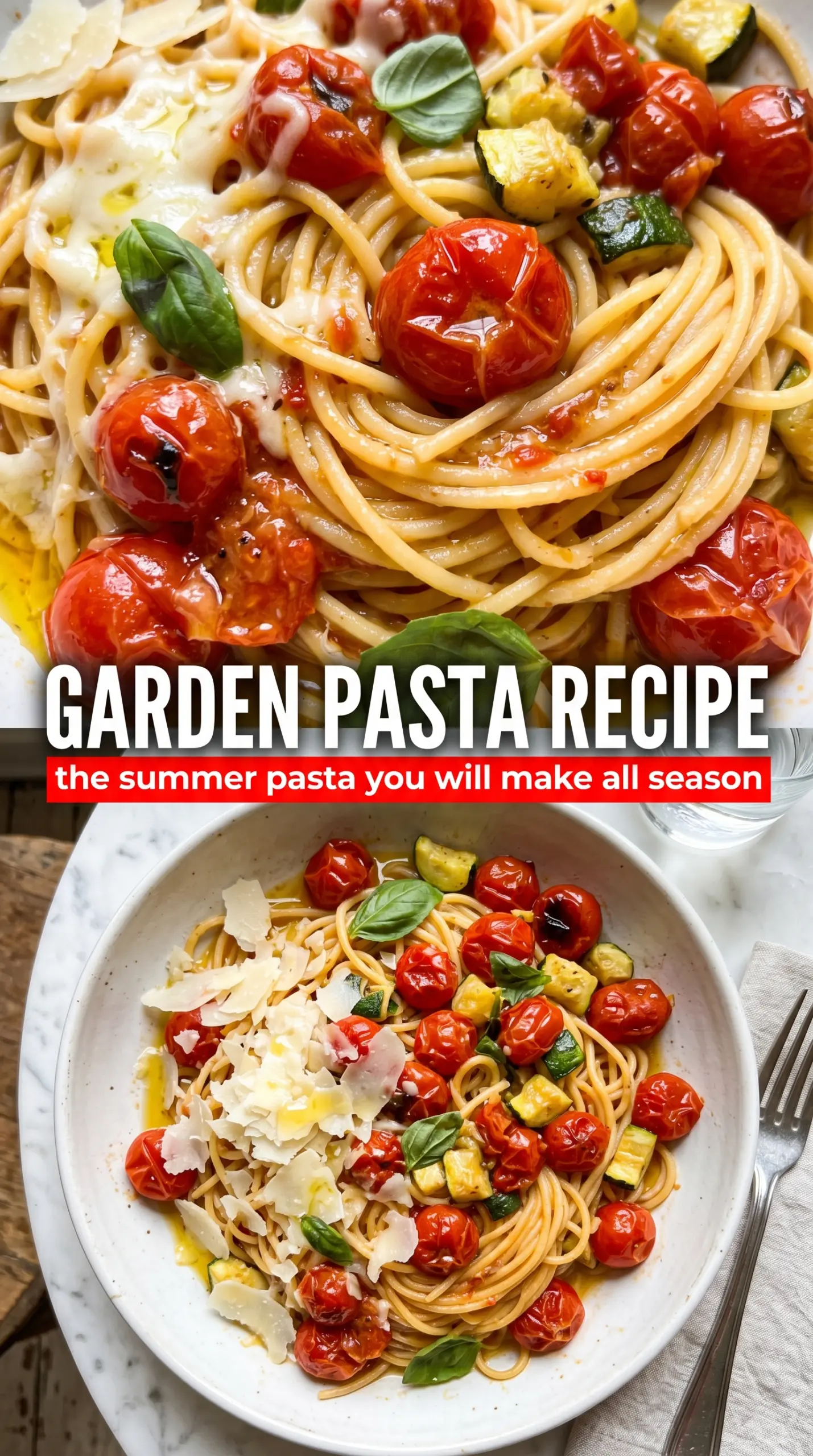
Spaghetti tossed with caramelized zucchini, burst cherry tomatoes, sweet corn, and basil has a way of tasting brighter than the sum of its parts. The vegetables don’t turn soft and muddy here. They stay distinct, with browned edges on the zucchini, jammy tomatoes, and just enough pasta water to pull everything into a glossy sauce that clings to every strand.
The trick is treating each ingredient like it has a job. The zucchini needs enough heat to take on color before the tomatoes go in, and the tomatoes need a hot pan so they collapse and release their juices. A little lemon at the end wakes up the whole dish, while shaved Parmesan adds salt and body without weighing the pasta down.
Below, I’ll show you how to keep the sauce light instead of watery, how to get the vegetables to caramelize instead of steam, and a few easy ways to adapt this when your fridge has different produce waiting to be used.
The zucchini got those golden edges and the tomatoes melted into the pasta water just enough to make a light sauce. I made it on a Tuesday and my husband asked if there was enough for lunch the next day.
Save this summer garden pasta for the night when you want bright vegetables, lemony spaghetti, and barely any cleanup.
The Secret to Keeping Summer Vegetables from Turning Soft and Watery
Zucchini and tomatoes can go wrong fast if the pan is crowded or the heat is too low. Instead of getting a light, glossy pasta, you end up with a skillet full of steam and vegetables that taste boiled. The fix is simple: give the zucchini time to brown before the tomatoes go in, and let the tomatoes hit the pan hot enough to burst on their own.
This order matters because zucchini holds a lot of water, and cherry tomatoes release theirs the second they soften. When both go in at once, the moisture builds before either one has a chance to caramelize. Cooking the zucchini first builds a little color and flavor on the bottom of the pan, which carries through the whole dish once the pasta water and Parmesan come in.
- Zucchini — Dice it into medium pieces so it can brown without collapsing. Small dice turns mushy before it gets any color.
- Cherry tomatoes — Halved tomatoes break down into a quick sauce. Grape tomatoes work too, but they stay a little firmer.
- Parmesan — Shaved Parmesan melts more gently than finely grated cheese, which helps keep the sauce light instead of gluey.
What Each Ingredient Is Actually Doing in This Dish
- Spaghetti or linguine — Long pasta works best because it catches the vegetables and the light sauce. Short shapes won’t give you the same twirl or coverage.
- Olive oil — This is the base of the sauce, so use one that tastes clean and fresh. You don’t need an expensive bottle, but a stale or bitter oil will show up.
- Garlic — Thin slices give the oil a gentle garlic flavor without burning as quickly as minced garlic. If you only have minced garlic, cook it even more briefly and keep the heat moderate.
- Corn — Fresh kernels are best for sweetness and pop, but frozen works fine straight from the freezer. No need to thaw first.
- Lemon juice and zest — The zest carries the perfume, and the juice sharpens everything at the end. If you skip one, the pasta tastes flatter.
- Basil — Tear it right before serving so it stays fragrant. Chopped basil bruises faster and can look dark in the hot pan.
Building the Sauce in the Pan, Not in a Separate Bowl
Start with the pasta water
Cook the spaghetti in well-salted water until it is just al dente, then scoop out a full cup before draining. That starchy water is what turns oil and vegetable juices into a loose sauce that coats instead of puddles. If you forget to save it, the dish still works, but it will taste thinner and less cohesive.
Brown the zucchini before it gives up its moisture
Heat the olive oil until it shimmers, then add the sliced garlic and move quickly so it turns fragrant, not brown. Add the zucchini in a single layer and leave it alone long enough to pick up gold on the edges. If you stir constantly, it steams and never develops the savory base this pasta needs.
Let the tomatoes burst where they stand
Add the cherry tomatoes and corn after the zucchini has taken on color, then give them a few minutes to soften and release their juices. You want the tomatoes split and glossy, not completely collapsed into paste. A good pan at this stage smells sweet and garlicky, with little browned spots clinging to the bottom.
Finish with pasta water, lemon, and cheese
Add the drained pasta straight into the skillet and toss with splashes of pasta water until the strands look lightly sauced instead of wet. Take the pan off the heat before adding the Parmesan so it melts into the noodles without clumping. Stir in the lemon juice and zest at the end, then top with basil so it stays bright and fresh.
Three Ways to Make This Pasta Work for Your Pantry
Dairy-Free Version
Skip the Parmesan and finish with an extra drizzle of good olive oil plus a little more lemon zest. You lose the salty, nutty depth from the cheese, so season the pasta a touch more boldly at the end.
Gluten-Free Pasta Swap
Use a sturdy gluten-free spaghetti that holds its shape after tossing. Pull it off the heat right at al dente, because GF pasta goes soft fast once it sits in the skillet with the vegetables and liquid.
What to Use When You Don’t Have Corn
Diced yellow bell pepper or thinly sliced asparagus both work well. You won’t get the same sweet pop as corn, but you do keep that fresh summer mix of colors and texture.
How to Add Protein Without Weighing It Down
Toss in cooked shrimp, white beans, or rotisserie chicken at the very end. Keep the portion modest so the vegetables stay the focus and the sauce still feels light.
Storage and Reheating
- Refrigerator: Store in an airtight container for up to 3 days. The pasta will absorb some of the sauce, so it looks less glossy the next day.
- Freezer: I don’t recommend freezing this one. The zucchini and tomatoes lose their texture once thawed.
- Reheating: Warm it in a skillet over medium-low heat with a splash of water or olive oil. Microwaving works in a pinch, but it can make the vegetables soggy and the pasta tight.
Answers to the Questions Worth Asking
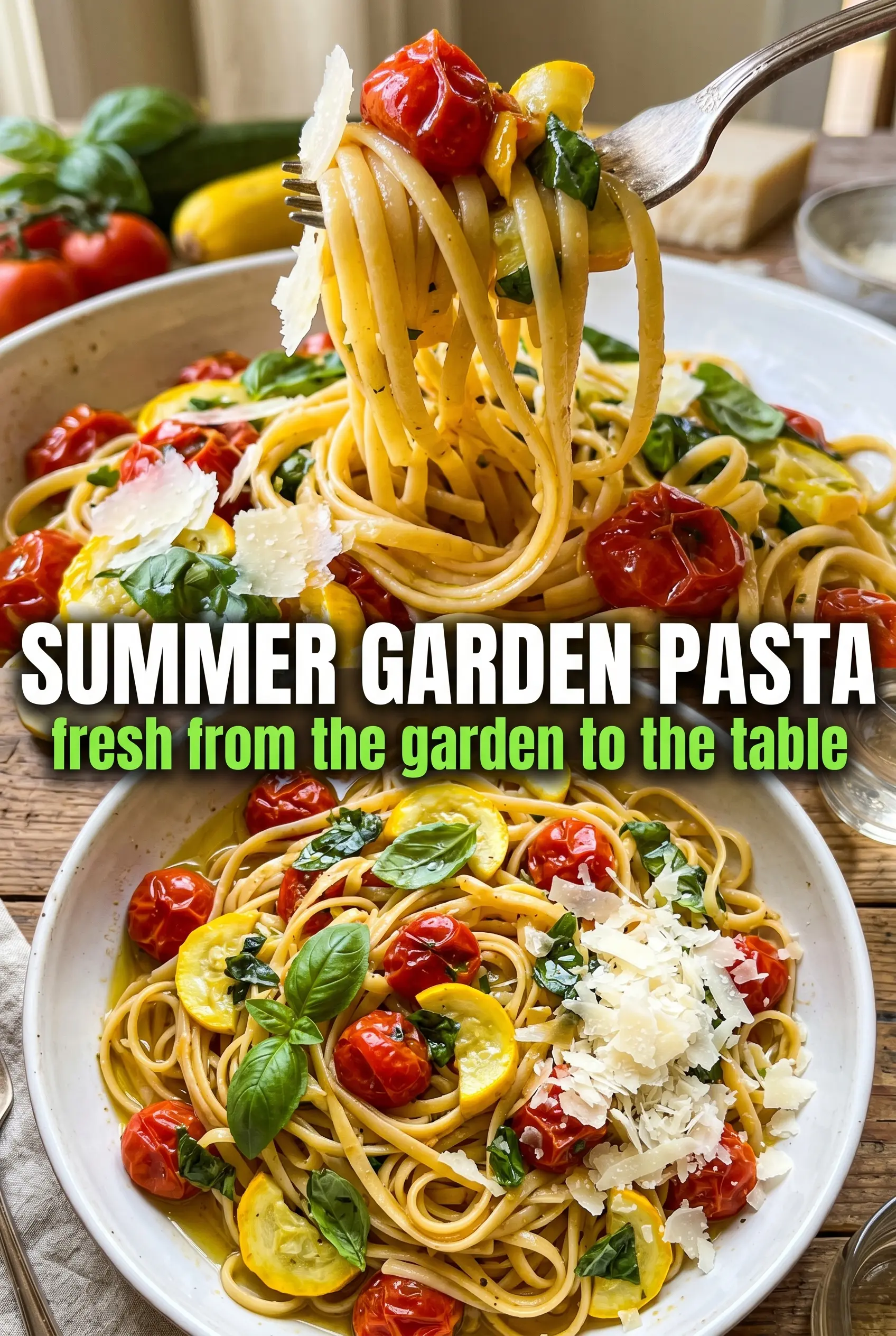
Summer Garden Pasta
Ingredients
Equipment
Method
- Bring a large pot of well-salted water to a rolling boil, then add spaghetti or linguine and cook until al dente. Reserve 1 cup pasta water before draining.
- Heat olive oil in a large skillet over medium-high heat, then add thinly sliced garlic and cook 30 seconds until fragrant. Add diced zucchini and cook 4-5 minutes until golden.
- Add halved cherry tomatoes and corn kernels to the skillet, then cook 3-4 minutes until the tomatoes burst. Keep stirring so the vegetables cook evenly.
- Season the vegetables with red pepper flakes, salt, and pepper, then add drained cooked pasta directly to the skillet. Toss and add reserved pasta water a splash at a time until a light sauce forms.
- Stir in lemon juice and lemon zest, then remove the skillet from heat. Scatter shaved Parmesan and torn fresh basil over the top and serve immediately.