Sticky honey garlic shrimp hits the table fast, but it tastes like you paid attention. The shrimp stay plump, the glaze turns glossy and amber, and the edges pick up just enough caramelization to give each bite a little chew. Served over rice, it eats like a full dinner without feeling heavy.
What makes this version work is the balance in the sauce and the speed of the cook. Shrimp need a hot pan and a short stay there; if they sit too long, they tighten up and turn rubbery. Here, they cook first, come out of the skillet, and go back in only after the garlic has softened and the honey, soy sauce, lemon juice, and red pepper flakes have reduced into a sticky coating.
Below, I’ve broken down the small details that matter most: how to keep the shrimp juicy, why the sauce should simmer before the shrimp returns, and a few smart swaps if you want to serve it a different way.
The sauce thickened up fast and coated every shrimp instead of pooling in the pan. I served it over rice and my husband went back for seconds before I’d even sat down.
Honey garlic shrimp with a sticky glaze and caramelized edges is the kind of quick dinner worth keeping close.
The Trick to Shrimp That Stay Juicy Instead of Tough
Most shrimp recipes go wrong for one reason: they linger in the skillet. Shrimp cook fast, and once they turn opaque, they’re already close to done. Pulling them out before building the sauce keeps them tender, and returning them at the end gives them just enough time to soak up the glaze without overcooking.
The other trap is starting with the sauce before the shrimp have a chance to brown. That first hot sear adds flavor to the pan and leaves behind the little browned bits that help the glaze taste deeper, not just sweet. If the skillet is crowded, the shrimp steam instead of sear, so work in a single layer and give them room.
- Dry shrimp brown better. Moisture on the surface cools the pan and weakens the sear.
- Medium-high heat gives you color fast, which matters before the shrimp overcook.
- The sauce only needs a short simmer. If it reduces too long, the honey can taste sharp and sticky in the wrong way.
- Return the shrimp at the very end, just long enough to coat and warm through.
What Each Ingredient Is Actually Doing in This Dish
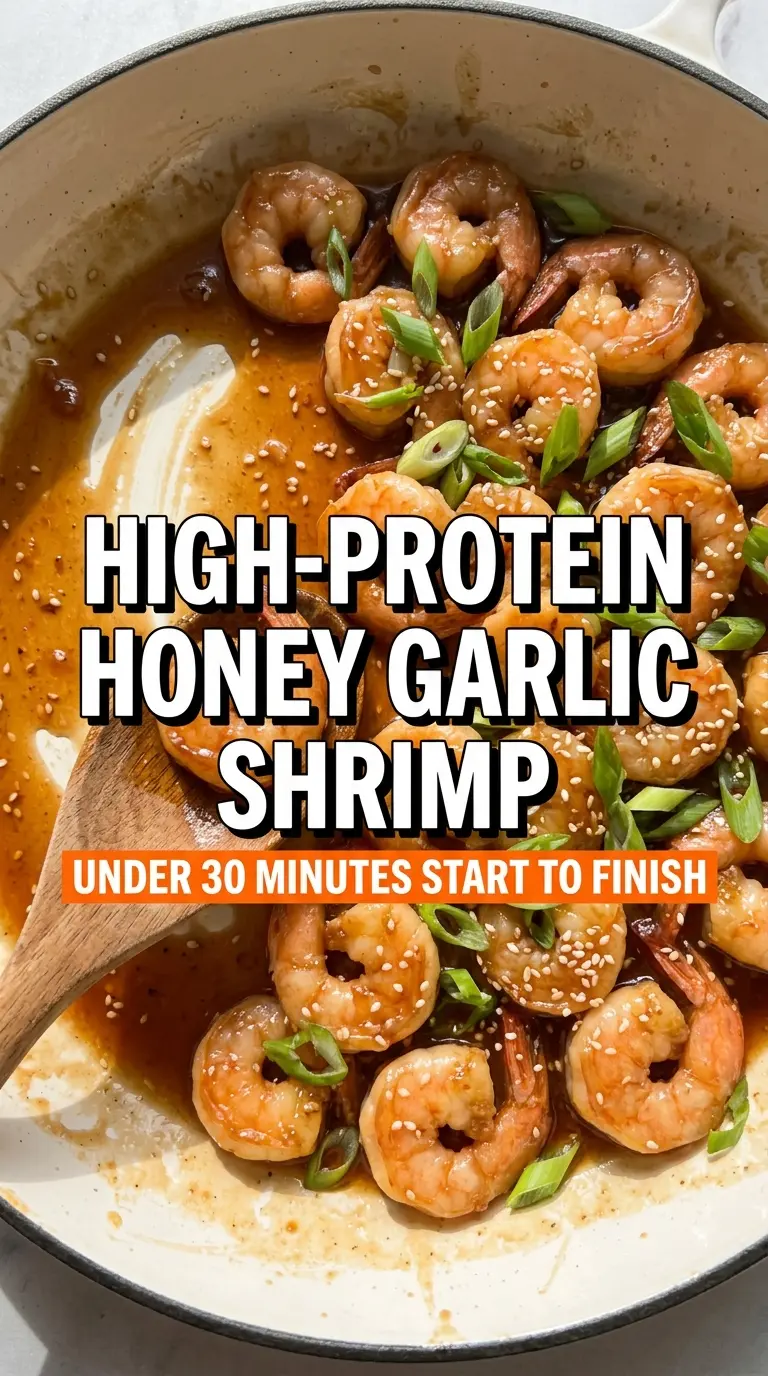
Shrimp — Large shrimp hold up best here because they stay juicy while still taking on a good amount of glaze. Smaller shrimp cook too quickly and can turn soft before the sauce finishes reducing.
Honey — This is the body of the glaze. It gives you that shiny, sticky finish, and it caramelizes just enough in the pan to cling to the shrimp instead of sliding off.
Low-sodium soy sauce — Soy sauce adds salt and depth at the same time. Low-sodium keeps the glaze from turning harsh once it reduces; regular soy sauce can push the dish too far toward salty.
Fresh lemon juice — A little acid keeps the honey from tasting flat. Bottled lemon juice works in a pinch, but fresh juice tastes cleaner and brightens the sauce more naturally.
Garlic — Garlic needs only a brief cook here. If it browns hard, it turns bitter, so it goes in after the shrimp come out and stays in the pan just until fragrant.
Red pepper flakes — This doesn’t make the dish spicy-hot. It gives the glaze a small burn at the edges that keeps the sweetness in check.
Building the Glaze Without Burning the Garlic
Start with a dry, hot skillet
Pat the shrimp dry before they hit the pan. Wet shrimp steam, and steamed shrimp never develop that slight crust that makes the glaze cling later. Heat the oil until it shimmers, then add the shrimp in a single layer. If they don’t sizzle on contact, the pan isn’t hot enough yet.
Cook the shrimp just to pink
Give them 1 to 2 minutes per side, depending on size, and watch for the moment the flesh turns opaque with just a trace of translucence at the center. Overcooked shrimp curl tightly into little rings and lose that juicy bite. Pull them out as soon as they’re done; they’ll finish warming in the sauce later.
Reduce the sauce until it coats a spoon
Add the garlic to the same pan and stir for about 30 seconds, just until you smell it bloom. Pour in the honey, soy sauce, lemon juice, and red pepper flakes, then let the mixture bubble for 1 to 2 minutes. You want it slightly thickened and glossy, not syrupy; if it gets too sticky, it will seize around the shrimp instead of glazing them.
Finish fast and serve right away
Return the shrimp to the skillet and toss just until every piece is coated and warmed through. The sauce should cling in a shiny layer with caramelized edges on the pan. Serve immediately over rice or broccoli, while the glaze is still fluid enough to soak in a little.
How to Adapt This for Different Nights and Different Eaters
Make it gluten-free without losing the glaze
Swap the soy sauce for tamari or a certified gluten-free soy sauce. The sauce will taste almost identical, with the same salty backbone and glossy finish, so this is one of the easiest adjustments you can make.
Make it lower-carb with broccoli or cauliflower rice
Serve the shrimp over steamed broccoli or cauliflower rice instead of white rice. The glaze is strong enough to carry the dish without starch, and the vegetables soak up the sauce without making the meal feel heavy.
Make it milder for kids or heat-sensitive eaters
Cut the red pepper flakes in half or leave them out completely. You’ll still get the sweet garlic glaze and the lemon brightness; you’ll just lose the little edge that wakes the whole dish up.
Storage and Reheating
- Refrigerator: Store leftovers in an airtight container for up to 2 days. The shrimp stay tasty, but the texture softens a bit once they sit in the glaze.
- Freezer: I don’t recommend freezing this one. Shrimp can turn mealy after thawing, and the honey garlic sauce loses some of its fresh gloss.
- Reheating: Warm gently in a skillet over low heat with a splash of water to loosen the sauce. High heat dries out shrimp fast, so avoid the microwave if you want the best texture.
Answers to the Questions Worth Asking
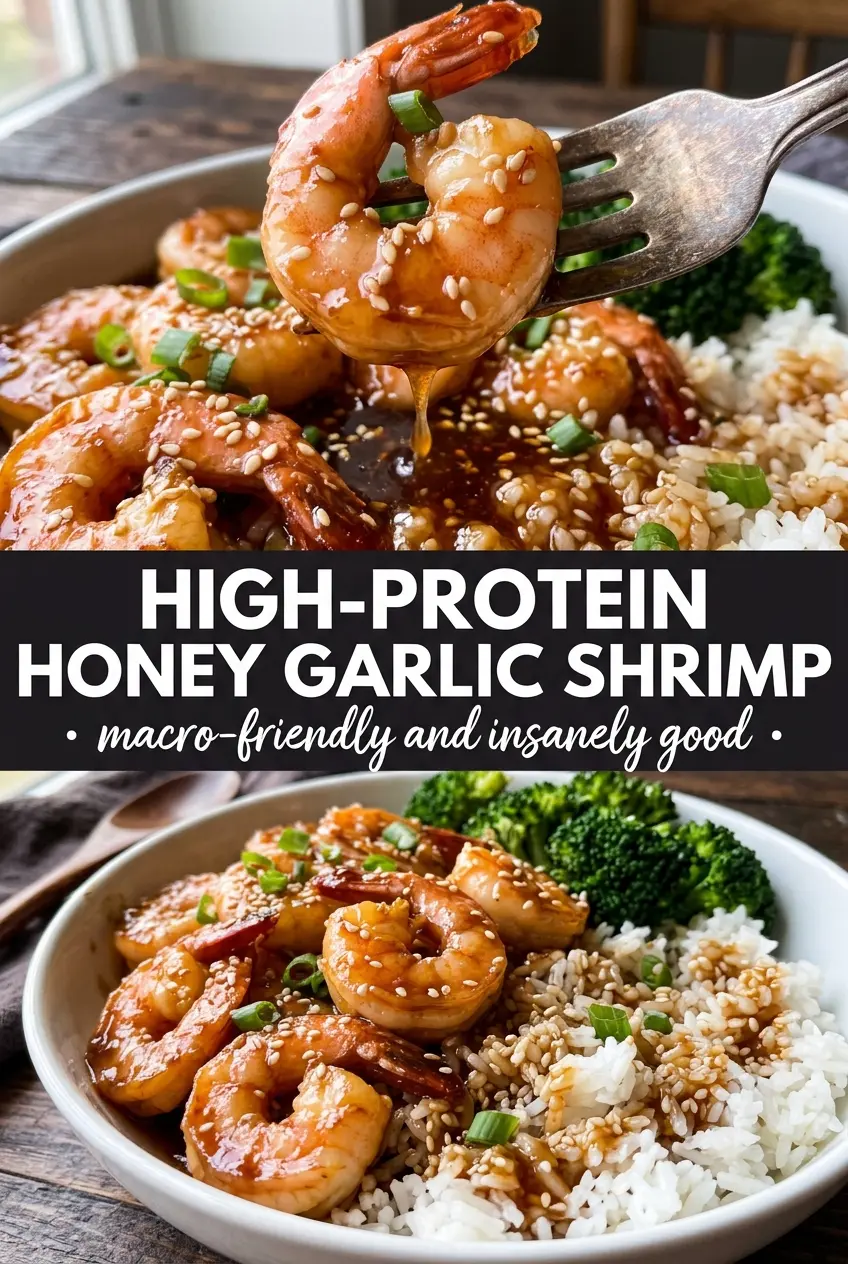
High-Protein Honey Garlic Shrimp
Ingredients
Equipment
Method
- Pat the shrimp dry with paper towels, then season lightly with salt and black pepper.
- Heat olive oil in a large skillet over medium-high heat until shimmering.
- Add the shrimp in a single layer and cook for 1–2 minutes per side, until pink and opaque, then remove and set aside.
- In the same pan, add the garlic and cook for 30 seconds.
- Add the honey, low-sodium soy sauce, lemon juice, and red pepper flakes, then stir to combine.
- Simmer the sauce for 1–2 minutes until slightly thickened, then return the shrimp to the pan and toss to coat.
- Serve immediately over cooked rice (or steamed broccoli) and top with sesame seeds and sliced green onions.