Pork chops with a crackling brown sugar crust disappear fast at the table because they hit that sweet-salty spot without turning into a sticky glaze that burns before the meat is done. The edges caramelize into a deep amber shell, while the center stays juicy if you give the chops a hard sear and then finish them just long enough to reach temperature.
The trick is in the dry rub. Brown sugar brings the crust, smoked paprika adds warmth, garlic powder keeps the sweetness from tasting flat, and a small hit of cayenne gives the outside a little edge without turning the dish spicy. Patting the pork chops dry matters here more than usual; moisture keeps the sugar from clinging and steals browning from the pan.
Below, I’ll walk you through the exact sear that gives you that glossy crust, plus the small timing detail that keeps the chops tender instead of dry. The lemon wedges at the end aren’t garnish. They wake up the pan sauce and cut through the sweetness in the best way.
The sugar crust caramelized beautifully and didn’t burn, and the pork stayed juicy all the way through. I served it with rice, and my husband kept spooning the pan juices over everything.
Brown Sugar Pork Chops with that caramelized crust and juicy center are worth saving for the nights when you want a fast skillet dinner that still feels special.
The Sear That Keeps Brown Sugar Pork Chops from Burning
Brown sugar can go from caramelized to scorched fast, so the heat has to do its job before the sugar has time to punish you. That means a hot skillet, dry pork chops, and no moving the meat while the first side is forming its crust. If you touch it too soon, the sugar sticks, tears, and leaves you with a patchy coating instead of an even shell.
The other mistake is crowding the pan. Two chops need space for the moisture to evaporate and the sugar to brown instead of steam. If your skillet is small, cook in batches. A good sear sounds steady and active, not aggressive and smoky from the start.
- Dry pork chops — Paper towels are the difference between a crust and a puddle.
- Medium-high heat — Hot enough to brown the sugar, not so hot that it turns bitter before the pork cooks through.
- Leave the chops alone — Moving them too early is the fastest way to lose the crust.
- Use a thermometer — 145°F keeps the pork juicy; guessing usually means overcooking.
What Each Ingredient Is Actually Doing in These Pork Chops
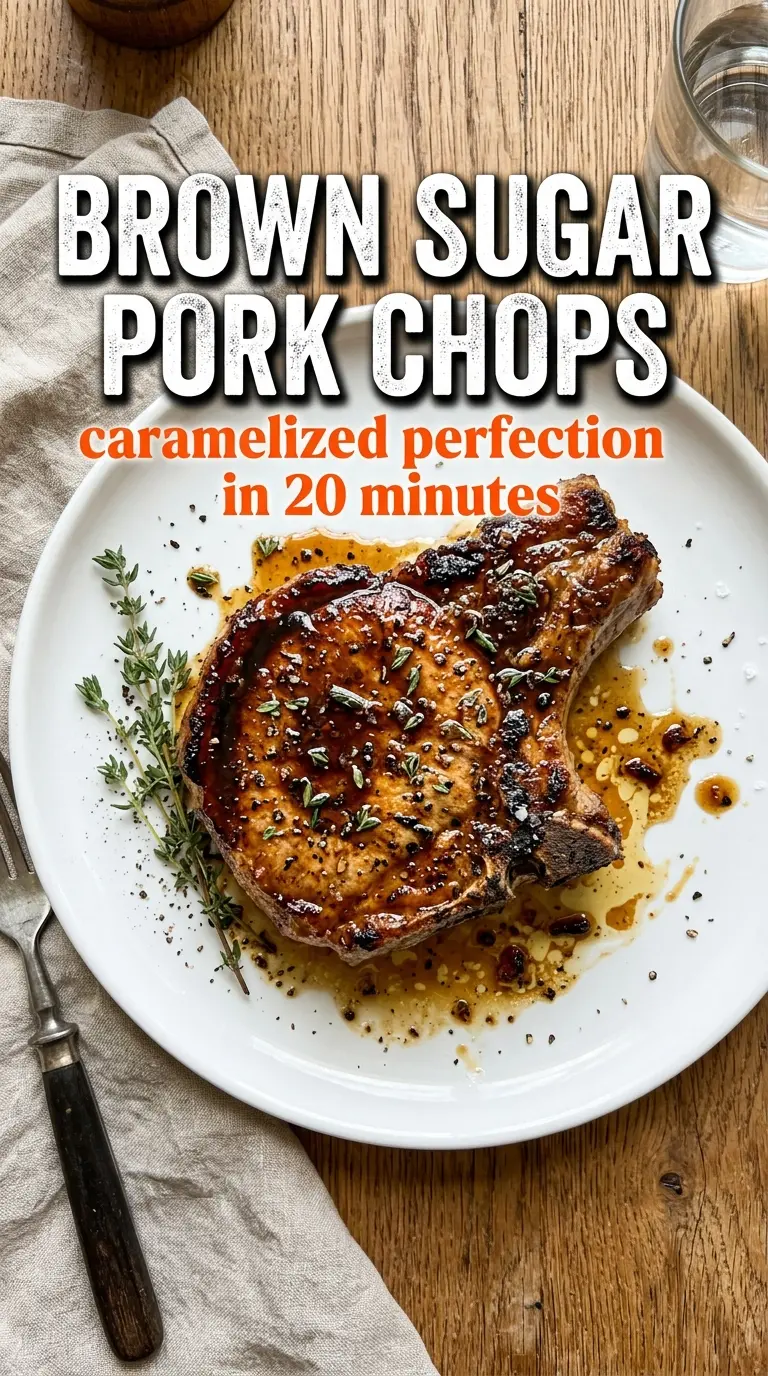
Boneless pork chops — A 1-inch chop gives you enough time to build a crust without drying out the center. Thinner chops cook too fast and leave less room for a good sear. If you only have thinner chops, shorten the second side and check temperature early.
Brown sugar — Packed brown sugar is what gives the crust its sticky, crackling finish. Light or dark both work; dark brown sugar gives a deeper molasses note, while light brown sugar stays a little cleaner and sweeter.
Smoked paprika and cayenne — Paprika adds color and a gentle smoky edge, while cayenne keeps the sweetness from tasting flat. If you want the heat lower, cut the cayenne in half rather than removing it entirely, since the small amount helps balance the glaze.
Butter and olive oil — Oil handles the high-heat sear, and butter gets added later for flavor and for basting. Butter alone would brown too fast at the start, but at the end it gives the pan juices a rich finish.
Lemon wedges — The acid matters. A squeeze over the finished pork chops sharpens the caramelized crust and keeps the dish from leaning too sweet.
The Fastest Way to Get a Caramelized Crust and a Juicy Center
Mix the Rub Before the Pan Gets Hot
Stir the brown sugar, garlic powder, smoked paprika, cayenne, salt, and black pepper together first so the seasoning lands evenly on the pork. Press the mixture onto both sides of the chops instead of sprinkling it from above; that helps the sugar adhere before it melts. If the chops look wet, the rub will slide around and collect in one spot, which leads to uneven browning.
Sear Without Nudging the Meat
Heat the olive oil in a skillet over medium-high until it shimmers, then lay the pork chops in and leave them alone for about 4 minutes. You want a deep caramel color at the edges and an easy release from the pan before you flip. If the chop sticks, it usually needs another minute to finish browning; forcing it loose tears the crust.
Finish with Butter and Watch the Temperature
Add the butter after the flip and spoon the melted fat over the chops as they finish cooking for another 3 to 4 minutes. That baste picks up the browned bits in the pan and carries them back over the meat. Pull the chops when the center reaches 145°F, then let them rest for 3 minutes so the juices settle instead of running out onto the plate.
How to Adapt These Pork Chops When You Need a Different Route
Make Them Dairy-Free
Skip the butter and use another tablespoon of olive oil for the finish. You’ll lose a little of the rich, nutty pan sauce, but the crust still caramelizes well and the pork stays tender.
Use Bone-In Pork Chops Instead
Bone-in chops need a few extra minutes, but they stay juicy and handle the sear nicely. Keep the heat steady and use a thermometer, because the bone slows the cook and the crust can overbrown before the center is done.
Turn Down the Heat for a Milder Version
Cut the cayenne in half or leave it out if you want a sweeter, gentler chop. The sugar still caramelizes the same way, but the finish leans more glazed than spiced.
Storage and Reheating
- Refrigerator: Store in an airtight container for up to 3 days. The crust softens a bit, but the flavor holds up well.
- Freezer: Freeze for up to 2 months, wrapped tightly and packed flat. The texture won’t be quite as crisp after thawing, but it still works for a quick dinner.
- Reheating: Warm gently in a skillet over low heat with a splash of water or broth, covered for a few minutes, until heated through. High heat dries out the pork and burns the sugar residue before the center warms.
Answers to the Questions Worth Asking
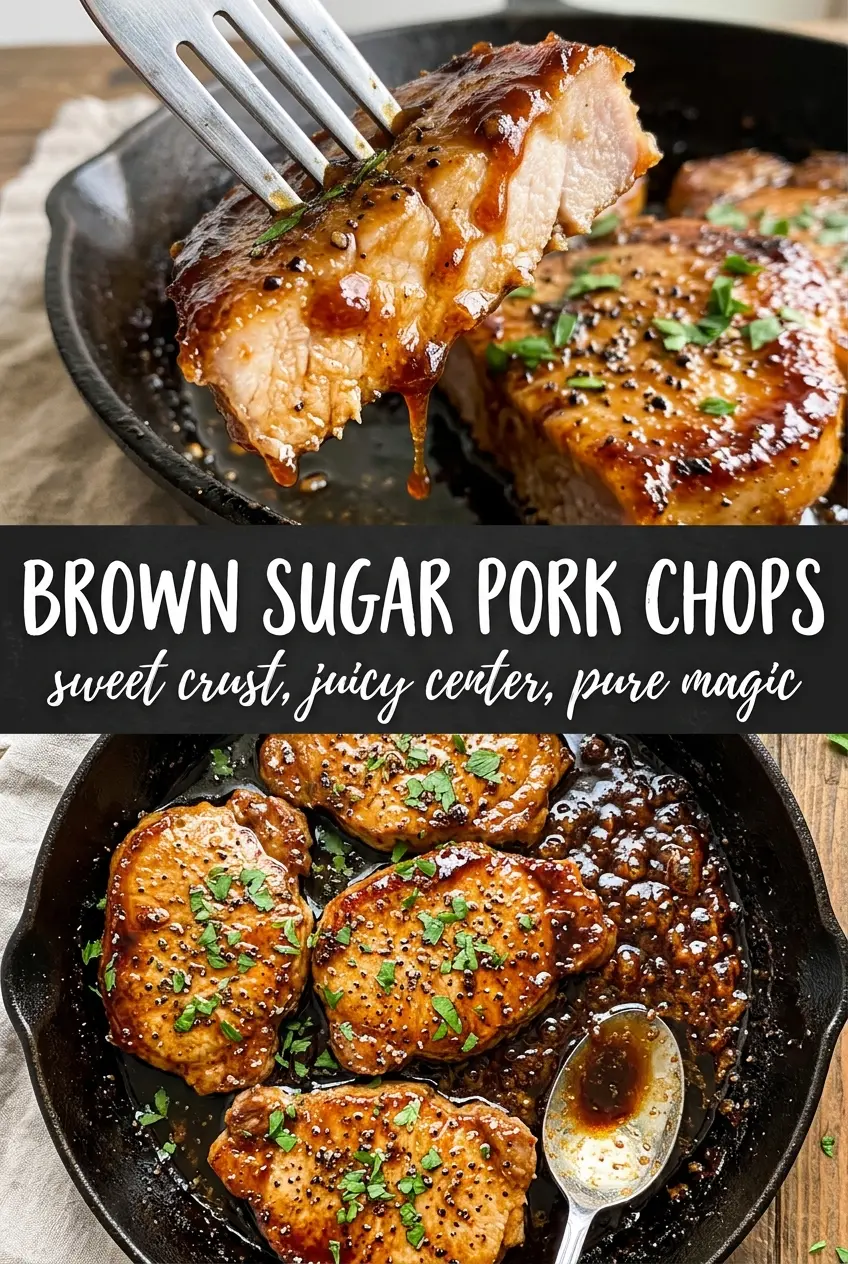
Brown Sugar Pork Chops
Ingredients
Equipment
Method
- In a small bowl, mix brown sugar, garlic powder, smoked paprika, cayenne, salt, and black pepper until evenly combined.
- Pat the pork chops dry and coat thoroughly in the brown sugar rub on both sides, pressing lightly so it adheres.
- Heat olive oil in a cast iron skillet over medium-high heat until shimmering, then sear pork chops for 4 minutes without touching until caramelized.
- Flip the pork chops carefully, add butter to the skillet, and cook 3–4 more minutes, basting with the caramelized pan sauce, until the internal temperature reaches 145°F.
- Rest the pork chops for 3 minutes to let juices redistribute.
- Serve with lemon wedges and drizzle any pan sauce over the top.