Glossy chicken, crisp-tender broccoli, and a garlic soy sauce that clings to every bite is exactly what makes this dish worth keeping in regular rotation. It hits the same comfort zone as takeout, but the sauce stays brighter, the broccoli keeps its color, and the chicken tastes like it was cooked on purpose instead of just thrown into a pan.
The key is cooking in stages. The chicken needs enough space to brown instead of steam, and the broccoli should stay tender-crisp so it can finish in the sauce without turning dull and soft. The cornstarch slurry goes in at the end, after the sauce has already hit the hot pan, which keeps it glossy instead of gummy.
Below you’ll find the exact timing that keeps the chicken juicy, the trick to getting the sauce thick without losing its shine, and a few smart swaps if you need to work with what you already have in the kitchen.
The sauce thickened fast and coated the chicken without getting gluey. My broccoli stayed bright green and had just enough bite, which is exactly what I want in a stir fry.
Keep this 30-minute chicken and broccoli in your back pocket for busy nights when you want glossy stir fry, tender chicken, and a sauce that tastes straight from the skillet.
The Secret to Stir Fry That Browns Instead of Steams
The biggest mistake in chicken and broccoli is crowding the pan. Once that chicken releases moisture, it stops searing and starts simmering in its own juices. You want a hot pan, a thin layer of oil, and enough space for the chicken to pick up color on the first side before you touch it.
Broccoli needs the same treatment. If it sits in the pan too long, it turns army green and soft before the sauce even goes in. A few minutes over high heat is enough to bring out its sweetness and keep the florets crisp at the edges, which gives the finished dish the right contrast.
- Chicken breast — Slice it thin and evenly so it cooks fast without drying out. If one piece is much thicker than the rest, it will lag behind and the thinner pieces will overcook.
- Broccoli florets — Fresh broccoli gives the best texture here. Frozen broccoli works in a pinch, but it will release more water and soften faster, so add it straight from frozen and expect a softer finish.
- Soy sauce and oyster sauce — These build the deep, savory base. Soy sauce brings salt and color, while oyster sauce adds body and a rounder, almost caramelized note that plain soy can’t replace.
- Cornstarch slurry — This is what turns the sauce from thin and salty into something glossy that coats the chicken. Stir it again right before adding it, because the starch settles fast and an uneven slurry can leave tiny thickened bits in the pan.
- Sesame oil — Use a small amount. It doesn’t carry the sauce on its own, but it gives the whole dish that familiar nutty finish once everything is tossed together.
What Each Ingredient Is Actually Doing in This Chicken Dish
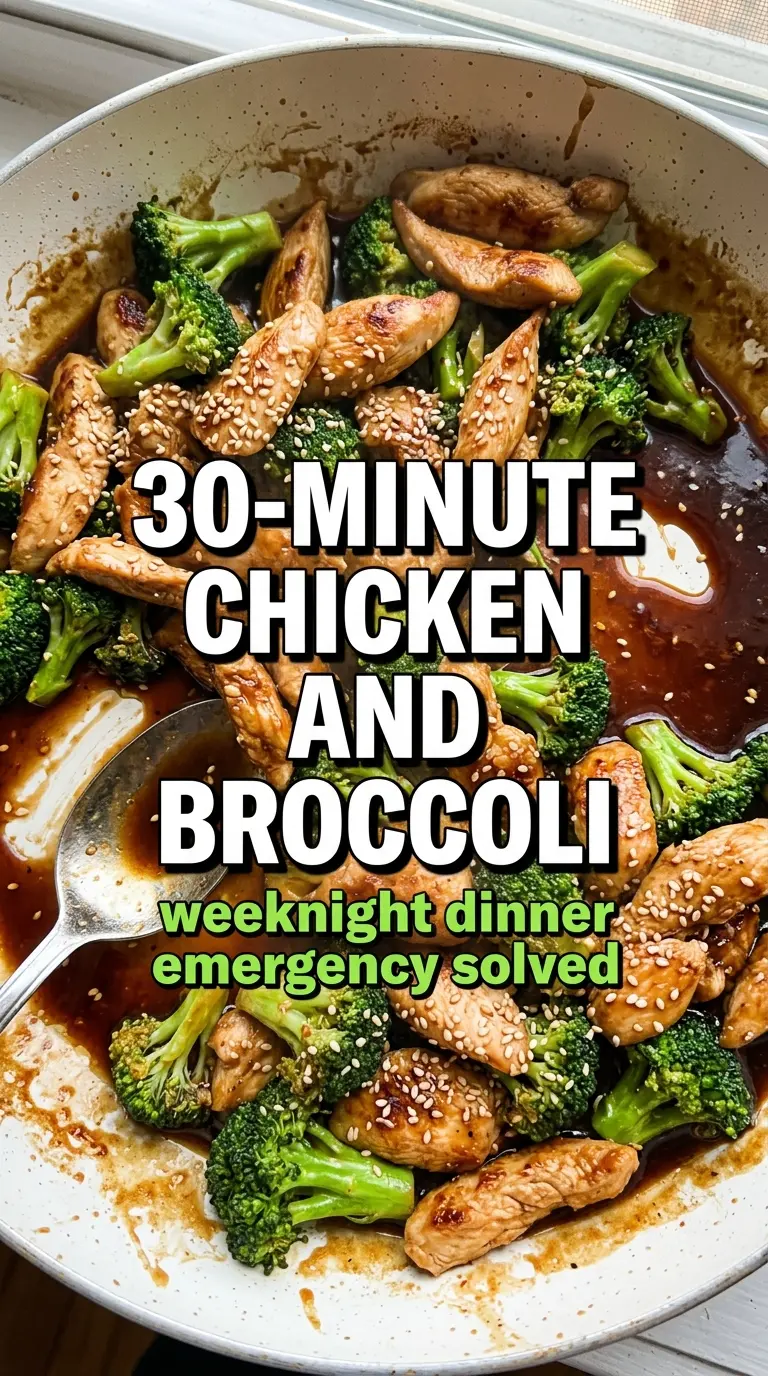
- Chicken (pat dry for browning) — Room temperature cooks more evenly. Even thickness ensures uniform cooking.
- Oil or butter (the browning medium) — High-heat oil essential. Creates pan flavor through browning.
- Seasonings (salt, pepper, spices) — Apply generously. Chicken carries the entire flavor profile.
- Aromatics (garlic, ginger, or herbs) — Cook with fat to bloom flavors. Become the foundation.
- Sauce or braising liquid (if using) — This keeps chicken moist. Balance richness with acid.
- Vegetables (if using) — Layer by cooking time. Hard vegetables first, soft vegetables last.
- Acid (vinegar, wine, lime, or pineapple) — This brightens and prevents one-dimensional flavor.
- Proper doneness (165°F internal temperature) — Use thermometer for accuracy. Overcooked is dry and flavorless.
Building the Sauce in the Pan Without Making It Gluey
Whisk the Sauce Before the Heat Goes On
Mix the soy sauce, oyster sauce, brown sugar, and sesame oil before you start cooking anything else. That keeps the pan work fast, which matters because the chicken and broccoli shouldn’t sit around while you measure at the stove. The sauce should look smooth and dark, with the sugar fully dissolved.
Brown the Chicken in a Single Layer
Heat the oil until it shimmers, then add the chicken in one layer and leave it alone long enough to pick up color. If the pieces stick at first, they’re not ready yet; when they release easily, the surface has seared. Pull the chicken out once it’s golden on the outside and just cooked through, because it will finish in the sauce later.
Keep the Broccoli Crisp Before the Sauce Goes In
Add the broccoli to the hot pan and cook it until the color turns bright green and the edges take on a little char. It should still have bite in the center. Push it to the sides so the garlic and ginger can hit the direct heat in the middle of the pan for just a few seconds without burning.
Finish Fast and Toss Until It Shines
When the chicken goes back in, pour the sauce over everything and stir once before adding the slurry. The sauce should tighten within about a minute and go from thin to glossy, coating the chicken and broccoli in a light sheen. If it looks thick but dull, the pan is too cool; keep it moving over the heat just until it clings.
How to Adapt This for Different Nights and Different Pan Loads
Make It Gluten-Free
Swap the soy sauce for gluten-free tamari and check that your oyster sauce is labeled gluten-free. The texture and sheen stay the same, and the sauce still gets that deep savory note without changing the rest of the method.
Use Chicken Thighs for a Richer Bite
Boneless chicken thighs can replace the breast if you want a juicier, slightly richer result. They take a minute or two longer to cook, but they stay tender even if you let them sit in the sauce for a moment before serving.
Add More Vegetables Without Diluting the Sauce
Snap peas, bell peppers, or sliced carrots all work well, but add them in order of how long they need to soften. If you pile in too many extra vegetables at once, the pan cools down and the sauce gets watery instead of glossy.
Storage and Reheating
- Refrigerator: Keeps for 3 to 4 days in an airtight container. The broccoli softens a little, but the flavor holds up well.
- Freezer: Freezes, though the broccoli will lose its crisp texture. If you plan to freeze it, undercook the broccoli slightly so it doesn’t turn mushy after thawing.
- Reheating: Reheat in a skillet over medium heat with a splash of water to loosen the sauce. The microwave works, but it can make the chicken rubbery if you blast it too long at once.
Answers to the Questions Worth Asking
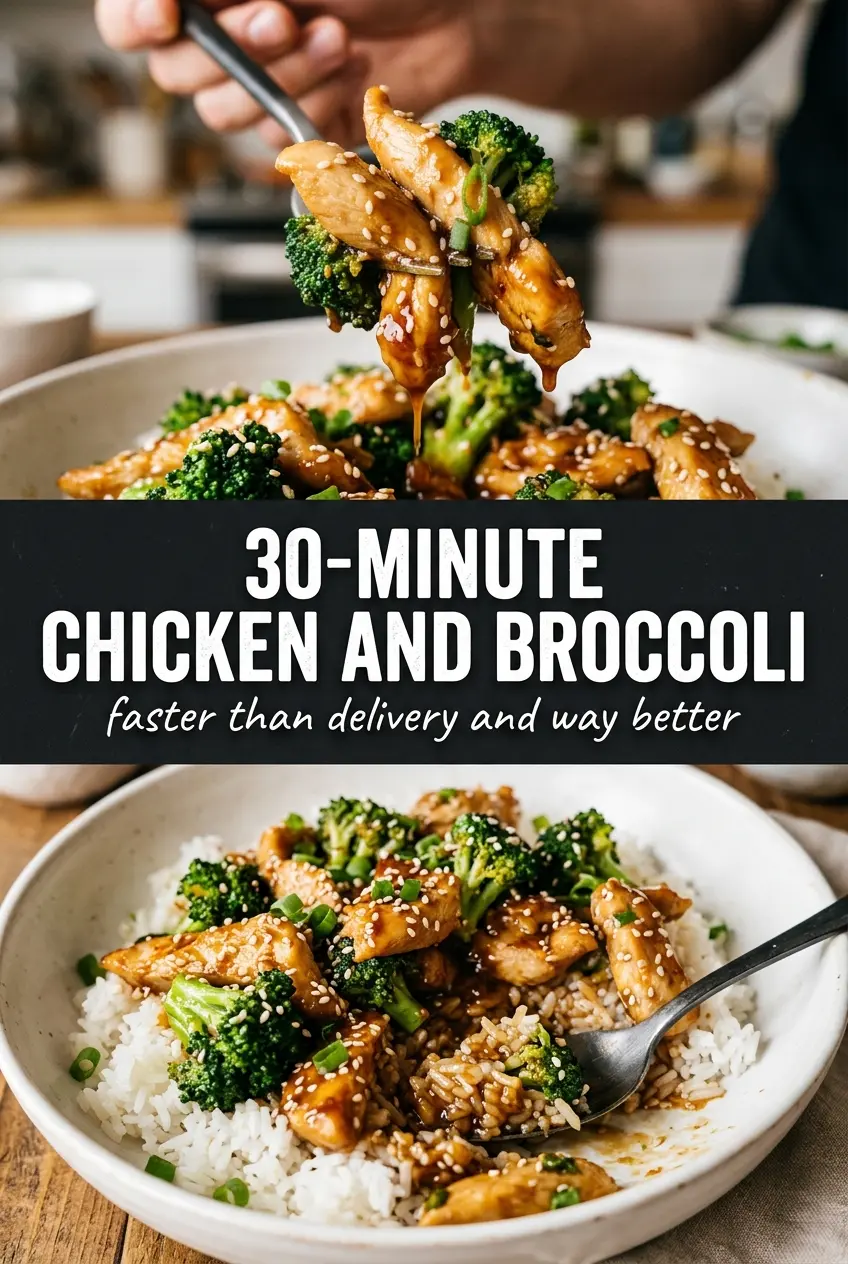
30-Minute Chicken and Broccoli
Ingredients
Equipment
Method
- Whisk soy sauce, oyster sauce, brown sugar, and sesame oil together until smooth.
- Heat 2 tablespoons vegetable oil in a wok or large skillet over high heat, then add chicken in a single layer and cook for 3–4 minutes until golden; remove and set aside.
- Add the remaining 1 tablespoon vegetable oil, cook broccoli for 3–4 minutes until bright green and tender-crisp, then push the broccoli to the sides.
- Add garlic and ginger to the center and cook for 30 seconds, stirring just until fragrant.
- Add the chicken back to the pan, then pour the sauce over everything and stir to coat.
- Add the cornstarch slurry and toss for about 1 minute until the sauce thickens and clings to the chicken and broccoli.
- Serve immediately over cooked rice and top with sesame seeds.