Banana cinnamon rolls bake up soft, plush, and fragrant, with a tender crumb that stays moist long after they leave the oven. The banana in the dough gives the rolls a subtle sweetness and keeps them from drying out, while the cinnamon-brown sugar filling melts into the spirals so every bite tastes like the center of the pan. When they’re done right, the tops turn lightly golden, the edges pull apart in soft layers, and the frosting sinks into all those warm crevices.
What makes this version work is the balance between ripe banana and yeast dough. Too much banana and the dough gets sticky and dense; too little and you lose the flavor that makes these rolls worth baking. I also like to add a little cinnamon to the dough itself, not just the filling, because it carries the warm spice through the whole roll instead of leaving it all in one stripe. Rolling the dough tightly matters here too. That’s what keeps the banana slices and filling from leaking out before they hit the oven.
Below, I’ve included the little details that make the difference: how ripe your bananas should be, how to keep the filling from sliding, and what to do if your dough feels soft before the first rise.
The dough rose beautifully and the rolls baked up fluffy instead of heavy. I was worried the banana slices would make them soggy, but they stayed tucked in and gave the filling this great caramelized banana taste.
These banana cinnamon rolls stay pillowy, swirled, and topped with the kind of cream cheese frosting that melts into every layer.
The Trick to Keeping Banana Dough Soft Instead of Heavy
Banana dough can go wrong fast if the bananas are too large or the flour gets packed in. The dough should be soft and slightly tacky, not wet enough to smear across the counter. If it feels loose, give it a minute after mixing before adding more flour; banana dough often tightens up as the flour hydrates. Overflouring is the fastest way to lose the plush texture that makes these rolls special.
The other place people trip up is heat. Warm milk helps the yeast wake up, but hot milk can kill it before the dough even starts. Aim for warm to the touch, not steaming. Once the dough has been kneaded, it should spring back slowly when pressed with a finger. That’s the sign it’s ready to rise.
What Each Ingredient Is Actually Doing in These Rolls
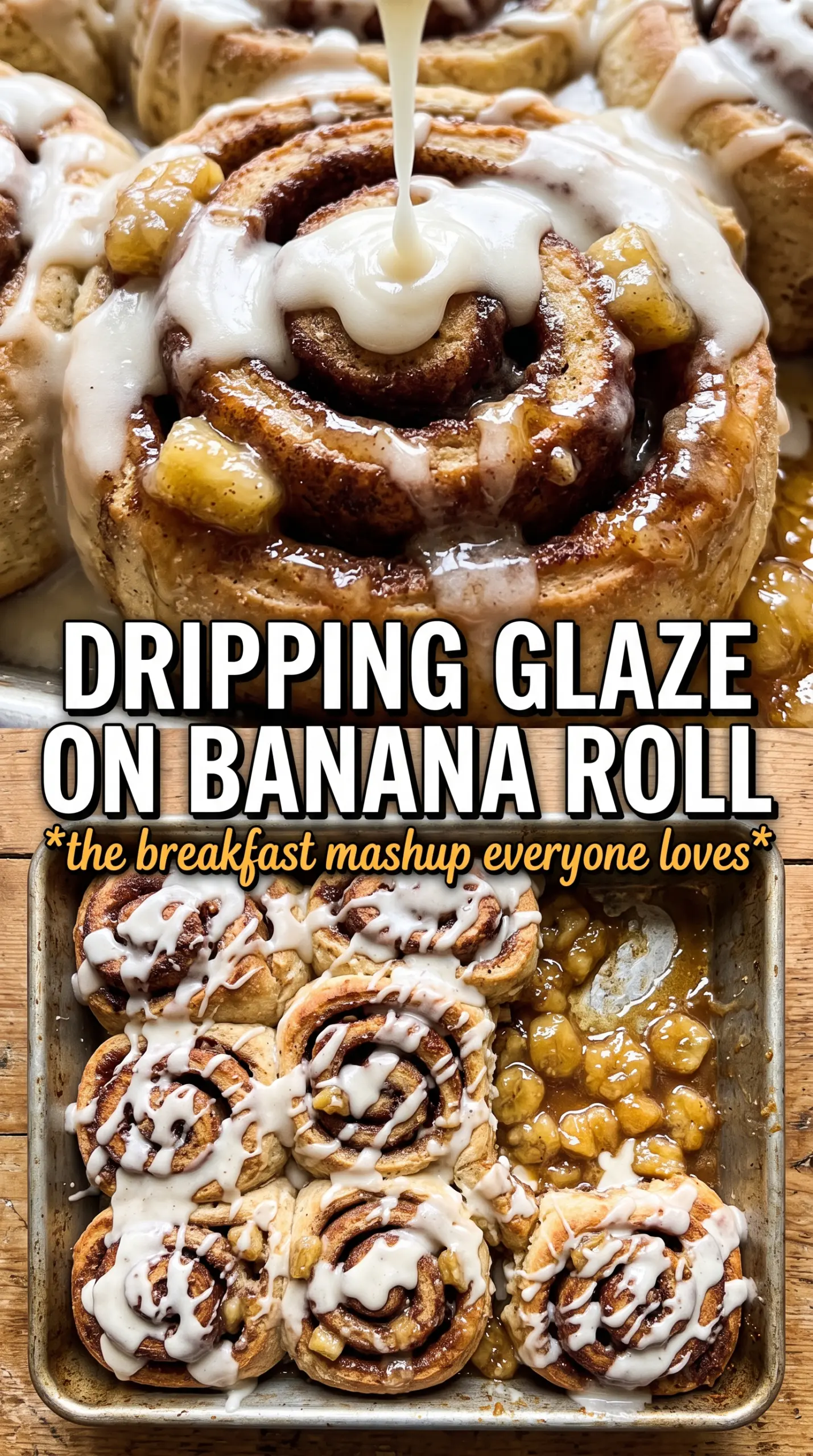
- Ripe bananas — Use bananas with plenty of brown spotting. They mash smoothly, bring real banana flavor, and add moisture that keeps the dough tender. Firm yellow bananas work in a pinch, but they taste flatter and won’t blend as well.
- Warm milk and yeast — The milk needs to be warm, not hot, so the yeast can activate without getting damaged. If the mixture doesn’t look foamy after a few minutes, the yeast may be old or the milk may have been too hot or too cold.
- Melted butter in the dough — This gives the rolls a softer bite and richer crumb. You can swap in neutral oil, but you’ll lose some of that classic bakery-style flavor.
- Brown sugar in the filling — This melts into a sticky swirl that caramelizes as the rolls bake. White sugar won’t give the same depth or that gooey center.
- Cream cheese frosting — The tangy frosting balances the banana sweetness and melts into the warm rolls. If you want a thinner glaze, add a spoonful of milk at a time until it drizzles cleanly.
Rolling, Filling, and Baking Without Losing the Swirl
Building the Dough
Mix the warm milk, yeast, sugar, mashed banana, butter, and egg until everything looks evenly combined, then work in the flour, cinnamon, and salt until the dough comes together. Knead it until it feels smooth and elastic, about 8 minutes by hand or with a dough hook. If it clings to your hands but still holds shape, that’s fine; banana dough should be softer than sandwich bread dough. Give it the full rise time until it looks puffy and nearly doubled.
Spreading the Filling
Roll the dough into a 12×18-inch rectangle on a lightly floured surface. Spread the softened butter edge to edge, then scatter the brown sugar, cinnamon, and nutmeg evenly before laying on the banana slices. Keep the slices thin so they soften into the swirl instead of forcing the roll open. If the butter is too melted, the filling will slide, so soften it just enough to spread without puddling.
Cutting and Proofing the Rolls
Roll the dough up tightly from the long side so the spiral stays compact, then cut 12 even rolls with a sharp knife or unflavored dental floss. Nestle them into the pan with a little space between each one for the second rise. They should look swollen and touching after 30 minutes. If they still look tight and dense, let them rest a little longer; underproofed rolls bake up chewy instead of airy.
Baking and Frosting
Bake at 375°F until the tops are golden and the center rolls sound set when tapped, 22 to 25 minutes. If the tops brown too quickly, lay a piece of foil loosely over the pan for the last few minutes. Let them cool for about 10 minutes before frosting so the cream cheese mixture melts into the rolls without disappearing completely. Warm rolls take frosting best; fully cooled rolls hold more of a thick layer on top.
How to Adapt These Rolls for Different Kitchens and Different Moods
Dairy-Free Banana Cinnamon Rolls
Swap the milk for an unsweetened non-dairy milk and use plant-based butter in both the dough and filling. The rolls will still rise and bake up soft, but the frosting will taste a little less tangy unless you use a dairy-free cream cheese that has some bite.
Walnut Banana Cinnamon Rolls
Add chopped walnuts over the filling before rolling if you want more crunch and a little bitterness against the sweet banana. They don’t change the dough at all, but they add texture and make the rolls feel a little more like a bakery pastry.
Extra-Gooey Bakery-Style Version
Add an extra 2 to 3 tablespoons of brown sugar to the filling and frost the rolls while they’re still slightly warm. You’ll get a softer, stickier center and more of that melt-in effect, but the rolls will be a little less neat when sliced.
Storage and Reheating
- Refrigerator: Store covered for up to 4 days. The rolls will firm up a bit in the fridge, but the banana keeps them moister than most cinnamon rolls.
- Freezer: Freeze baked rolls, tightly wrapped, for up to 2 months. Thaw overnight in the fridge before reheating, or freeze them unfrosted and add the frosting after warming.
- Reheating: Warm individual rolls in the microwave in short bursts or cover the pan with foil and heat in a low oven. The mistake to avoid is blasting them too long, which dries out the dough and makes the frosting greasy.
Questions I Get Asked About This Recipe
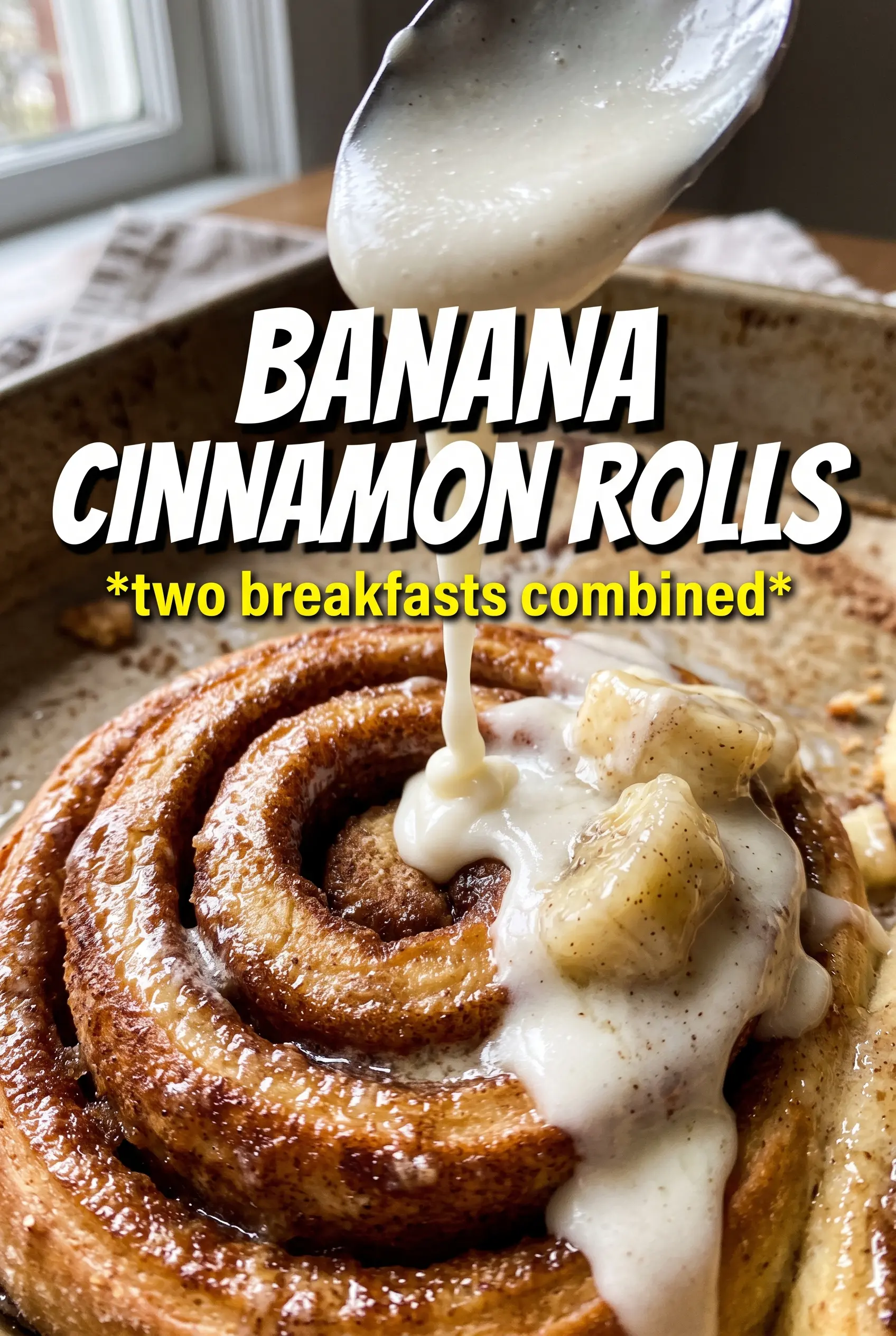
Banana Cinnamon Rolls
Ingredients
Equipment
Method
- In a mixing bowl, combine warm milk and yeast, then add sugar, mashed bananas, melted butter, and the egg to form a wet mixture with no dry yeast pockets.
- Add flour, cinnamon, and salt, then knead until smooth and elastic, about 8 minutes, until the dough springs back when lightly pressed.
- Cover and let the dough rise until puffy and doubled, about 1 hour, in a warm spot with minimal drafts (visual cue: it should hold a finger dent).
- Turn the dough onto a lightly floured surface and roll into a 12x18 rectangle with even thickness (aim for straight edges so the rolls stay uniform).
- Spread softened butter over the dough, then sprinkle with brown sugar, cinnamon, nutmeg, and top with the thinly sliced banana.
- Roll the dough tightly into a log, keeping the seam underneath so the layers don’t separate.
- Cut the log into 12 even rolls and place them on a sheet pan.
- Cover and let the rolls rise until noticeably puffed, about 30 minutes (visual cue: they should look airy and rise above the roll height).
- Bake at 375°F for 22-25 minutes, until deeply golden on top and the edges look set (visual cue: a toothpick should come out with a few soft crumbs).
- Cool for 10 minutes, then drizzle cream cheese frosting over the warm rolls so it melts slightly at the edges.