Hobo dinner cheeseburgers come off the fire with the kind of payoff people remember: a juicy burger, melted cheese, and vegetables that soak up all the beefy drippings under the packet. The foil does the work of a covered pan, trapping steam at first so the potatoes soften, then letting the edges pick up a little color by the end. It’s a hands-off dinner that still tastes like someone paid attention.
The key is slicing the potatoes thin enough to finish in the same time as the patties. If the potato rounds are too thick, the burger will be done before the vegetables are tender, and that’s when people start tearing packets open and chasing undercooked pieces around the grate. Heavy-duty foil matters here too, because a thin sheet can split when you flip the packets or when the butter starts melting into the vegetables.
Below you’ll find the timing that keeps the burgers juicy, the easiest way to keep the packets sealed, and a few swaps for making these work in the oven or on a camp stove.
The potatoes were tender right on time and the cheese melted over the burger without turning the bottom soggy. I liked that the packets held all the juices in, and cleanup was basically nothing.
Save these foil packet hobo dinner cheeseburgers for a no-fuss campfire meal with juicy burgers, tender potatoes, and melted cheese.
The Part That Keeps the Potatoes Tender at the Same Time as the Burger
The timing works because the vegetables sit directly against the hot foil and catch the steam from the butter and beef as the packet cooks. That means the potatoes soften from both heat and trapped moisture instead of just waiting for dry air to do the job. If you’ve ever ended up with a done burger and crunchy potatoes, the slices were either too thick or the heat was too low to drive the whole packet forward at the same pace.
The flip halfway through matters more than it looks. It evens out the heat, keeps the bottom from scorching, and helps the potatoes cook through without having to overcook the patties. The goal is a packet that puffs slightly, smells buttery, and gives way when you open it, not one that looks collapsed and dry.
What Each Ingredient Is Doing in These Foil Packets
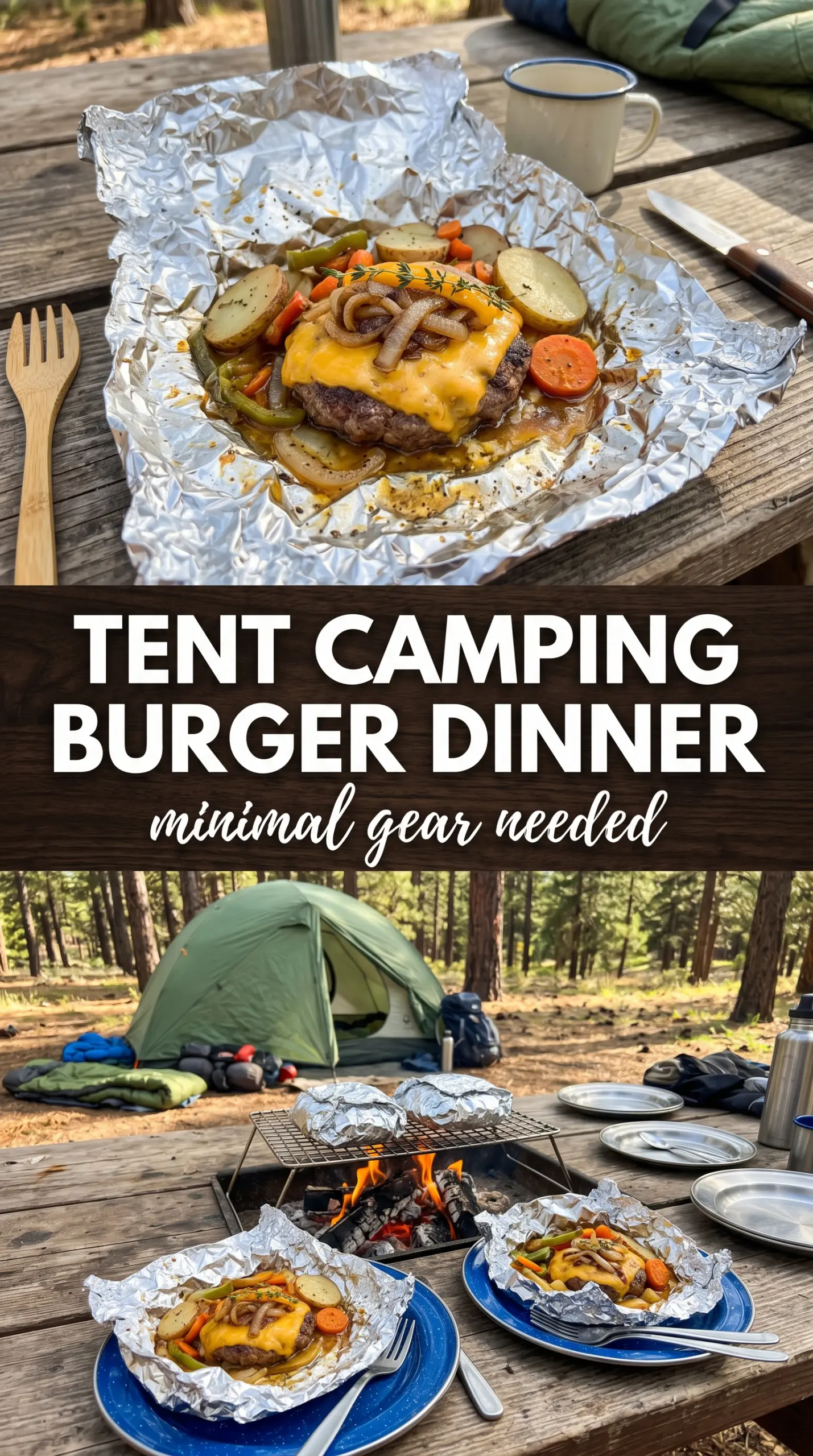
- Ground beef — Use enough fat to keep the burger juicy, since the packet environment cooks the meat without much surface browning. Lean beef works, but 80/20 gives you a better result because the rendered fat seasons the vegetables underneath.
- Potatoes — Thin slices are non-negotiable here. They need to be close to 1/8-inch thick so they finish by the time the burgers are cooked through; thicker pieces will stay firm in the center.
- Onion and bell pepper — These add sweetness and a little moisture, and they pick up the beef drippings as they cook. Slice them thin enough to soften fully, because chunky pieces can stay crisp while everything else is done.
- Butter — This is what keeps the packet from tasting flat and dry. One tablespoon per packet is enough to carry flavor and help the vegetables cook evenly without making the whole thing greasy.
- American cheese — It melts fast and stays smooth, which is exactly what you want when the packets come off the fire. A sharper cheese can work, but it won’t melt as cleanly unless you give it extra time.
- Heavy-duty foil — Regular foil tears too easily when the packets are flipped or moved around the grate. Heavy-duty sheets hold the seal better and give you a cleaner opening at the end.
Building the Packets So Nothing Tears or Stays Undercooked
Shaping the Burgers Thin Enough to Match the Vegetables
Form the beef into four thin patties and season both sides with salt and pepper. Thinner patties are the right move here because they cook at nearly the same rate as the sliced potatoes. If you make them thick like grill burgers, the meat will need longer than the vegetables, and the packet will lose the balance that makes this dinner work.
Layering for Even Heat
Put the potatoes down first, then the onion and bell pepper, then the patty on top with the butter. The vegetables need to sit under the burger so they catch the drippings and stay in the hottest part of the packet. Seal the foil tightly, but leave a little room inside so steam can circulate; if you squeeze the packet flat, the vegetables steam unevenly and can stick together in a dense layer.
Cooking Over Medium Heat Without Burning the Bottom
Set the packets over medium heat and cook for 20 to 25 minutes, flipping once halfway through. If the fire runs too hot, the foil can scorch before the potatoes finish, so keep the packets over a steadier part of the grate rather than directly in the hottest flames. They’re done when the potatoes are tender at the center and the burger feels firm but not hard when you press the packet gently.
Melting the Cheese at the End
Open each packet carefully because the steam rushes out fast, then lay the cheese on the burger and reseal the top briefly. That last minute or two is just enough to melt the cheese without turning the vegetables mushy. Let the packets rest for 5 minutes before serving so the juices settle back into the meat instead of spilling out the second you open the foil.
How to Adapt These Foil Packet Burgers for the Oven, Grill, or a Different Cheese
Oven-Baked Hobo Dinner Cheeseburgers
Bake the sealed packets at 425°F on a sheet pan for about 25 to 30 minutes. The oven gives you more even heat than a campfire, so the potatoes usually cook a little more consistently, but you still want to check for tenderness before opening. This is the best swap when you want the same dinner without managing flames.
Dairy-Free Version
Replace the butter with olive oil or a dairy-free butter substitute and skip the cheese or use a meltable dairy-free slice. You’ll lose a little of the classic burger-shop richness, but the packets still work because the cooking method depends on steam and sealed heat, not the butter itself.
Different Cheese, Better Melt
Cheddar, provolone, or pepper jack all work if you want a different finish. Slice it thin or use a good melting slice, because thick pieces need more time and can cool the rest of the packet while you wait for them to soften.
Storage and Reheating
- Refrigerator: Store leftovers in an airtight container for up to 3 days. The potatoes soften more as they sit, so expect a less crisp texture.
- Freezer: These don’t freeze well once cooked because the potatoes turn mealy and the vegetables lose their texture.
- Reheating: Warm leftovers in a covered skillet over low heat or in a 325°F oven until hot. The biggest mistake is blasting them in the microwave, which tightens the burger and makes the potatoes rubbery.
Answers to the Questions Worth Asking

Hobo Dinner Cheeseburgers
Ingredients
Equipment
Method
- Divide the ground beef into 4 portions and form into thin patties, seasoning with salt and pepper.
- On each foil sheet, layer the thinly sliced potatoes, sliced onion, and sliced bell pepper.
- Place one burger patty on top of the vegetables and add 1 tbsp butter to each packet.
- Fold the foil into sealed packets so the contents are enclosed.
- Place packets on a campfire grate over medium heat for 20-25 minutes, flipping halfway so they cook evenly.
- When time is up, carefully open packets (avoid steam) and add cheese slices to the burgers, then reseal briefly.
- Let packets sit 5 minutes to cool slightly before serving directly from the foil.