Apple cider cake bakes up with tender, spiced layers that stay soft for days and hold their shape beautifully under a thick swipe of cream cheese frosting. The cider gives the crumb a deeper apple flavor than chopped fruit alone, and the reduced cider keeps it from tasting watered down. Every bite has that warm bakery-cake feel, with cinnamon and nutmeg showing up just enough to make the apples taste fuller.
The trick is reducing the cider first and letting it cool before it goes into the batter. That concentrates the flavor without adding extra liquid that would throw off the texture. I also like using sour cream here because it keeps the cake plush and gives the crumb a little richness that plays well with the tangy frosting. If you skip either of those details, you still get cake, but you lose the part that makes this one worth repeating.
Below you’ll find the simple steps that keep the layers even, plus the frosting and caramel finish that turn it into a proper dessert cake instead of just another spice cake.
The reduced cider made the cake taste like apples all the way through, and the frosting set up perfectly for clean slices. I brought it to a dinner party and everyone asked for the recipe before dessert was even finished.
Save this apple cider cake for the day you want tall spiced layers, cream cheese frosting, and a caramel drizzle that finishes the whole cake.
The Step That Makes Apple Cider Cake Taste Like Apples, Not Just Spice
Reducing the cider before it goes into the batter is what gives this cake its actual apple flavor. If you pour in a full cup of cider straight from the jug, the crumb can turn loose and a little flat-tasting. Cook it down to half a cup, let it cool, then add it with the wet ingredients so the flavor is concentrated without thinning the batter.
The other place this cake can go wrong is overmixing once the flour goes in. Cake batter with sour cream should look smooth and thick, not whipped to death. Stop mixing as soon as the flour disappears, or the layers bake up tighter than they should and lose that soft, sliceable crumb.
What Each Ingredient Is Doing in This Cake
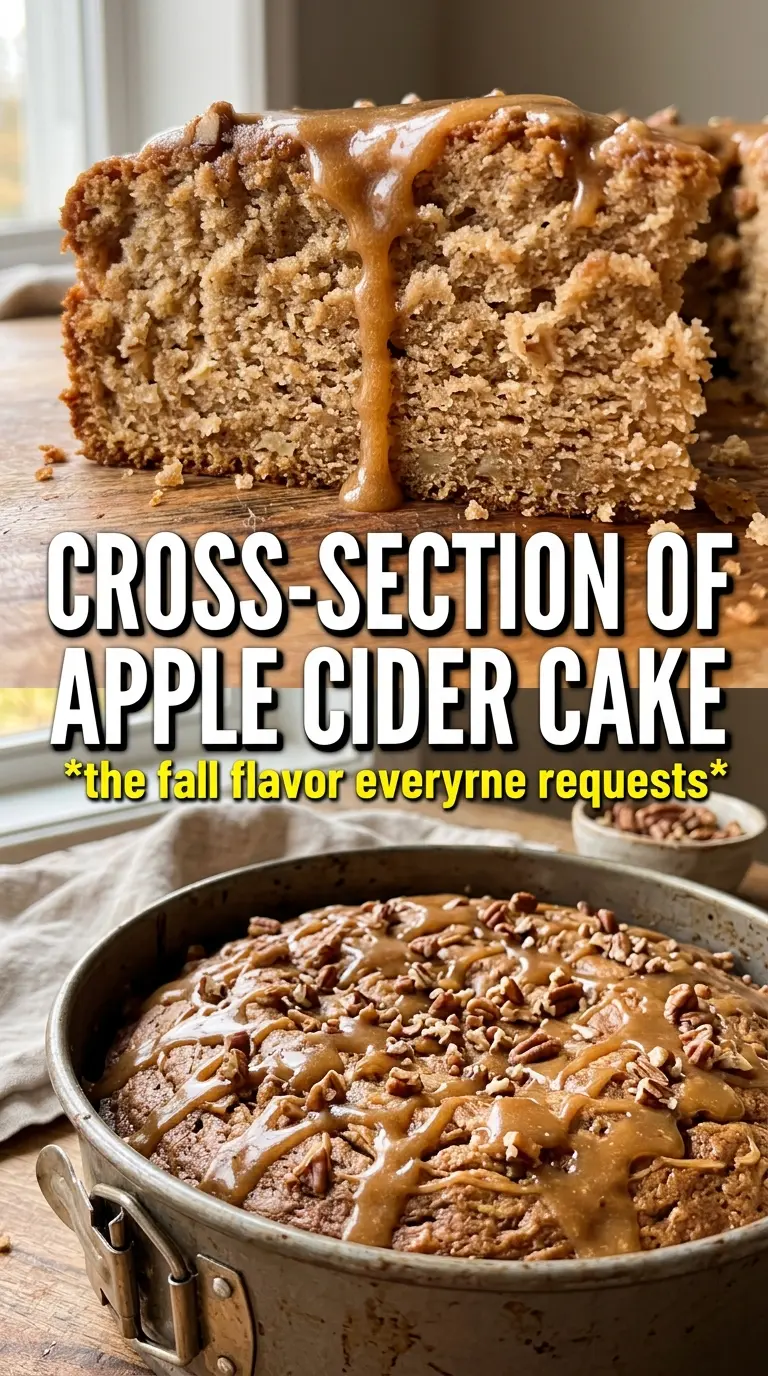
- Apple cider — Reducing it first concentrates the apple flavor and keeps the cake from tasting diluted. Fresh cider gives the best result here because the flavor is brighter and more layered than apple juice.
- Brown sugar — This adds moisture and a deeper molasses note that plain white sugar can’t match. It also helps the cake stay soft after baking.
- Sour cream — This is what keeps the crumb plush. Plain yogurt can work in a pinch, but sour cream gives a richer texture and a cleaner tang that balances the frosting.
- Cinnamon, nutmeg, and allspice — These spices support the cider without taking over. If your spices have been sitting around forever, the cake will still bake fine, but the flavor will be noticeably quieter.
- Cream cheese frosting — The tang cuts through the sweetness of the cake and caramel. Beat it until fluffy, then stop once it’s smooth; overbeating can make it too loose for stacking.
Building the Layers So They Stay Soft and Stack Cleanly
Reducing the Cider First
Pour the cider into a small saucepan and simmer it until you have about half a cup left. It should smell stronger and look a little darker, with a bit of body instead of looking like plain juice. Let it cool completely before adding it to the batter, or it can soften the butter mixture and make the cake bake up heavy.
Making the Batter Without Overworking It
Beat the butter and brown sugar until the mixture looks pale and fluffy. That step traps air and helps the cake lift. Add the eggs one at a time so the batter stays smooth, then mix in the cooled cider and vanilla. When you add the dry ingredients and sour cream, alternate them and stop as soon as the batter comes together; if you keep going, the crumb turns dense.
Baking Until the Center Springs Back
Divide the batter evenly between two greased 9-inch pans and bake until the tops are set and a tester comes out with a few moist crumbs. If the center still looks glossy, give it a few more minutes. Pulling it too early leaves the middle gummy, but overbaking dries out the edges before the middle catches up.
Frosting and Finishing the Cake
Cool the layers completely before you frost them. Warm cake will melt the frosting and slide under the weight of the top layer. Beat the cream cheese frosting until fluffy, spread it between the layers and over the top, then drizzle with caramel right at the end so it stays visible instead of sinking in.
How to Adapt This Cake for Different Pans, Diets, and Make-Ahead Needs
Make it as cupcakes
Scoop the batter into lined muffin tins and bake until the centers spring back. You lose the dramatic layer-cake look, but you gain easier serving and faster cooling. Start checking a few minutes early because cupcakes dry out faster than cake layers.
Dairy-free version
Use a plant-based butter and a thick non-dairy yogurt instead of sour cream. The cake will still stay tender, though the frosting won’t have the same tang unless you use a dairy-free cream cheese that holds its shape well. Keep the caramel drizzle dairy-free too if that matters for your table.
Gluten-free swap
A good 1:1 gluten-free baking blend works here because the batter is rich enough to stay moist. Don’t try to use almond flour alone; it changes the structure too much and the layers won’t stack the same way. Let the baked layers cool fully before moving them, since gluten-free cakes are a little more delicate.
Storage and Reheating
- Refrigerator: Store the frosted cake covered for up to 4 days. The crumb stays moist, and the flavor deepens after a day.
- Freezer: Freeze unfrosted cake layers wrapped tightly in plastic and foil for up to 2 months. Thaw them still wrapped so condensation doesn’t make the surface sticky.
- Reheating: Let slices sit at room temperature for 20 to 30 minutes before serving. If you chill the cake, the frosting firms up, and a cold slice won’t give you the soft texture this cake is meant to have.
Questions I Get Asked About This Recipe
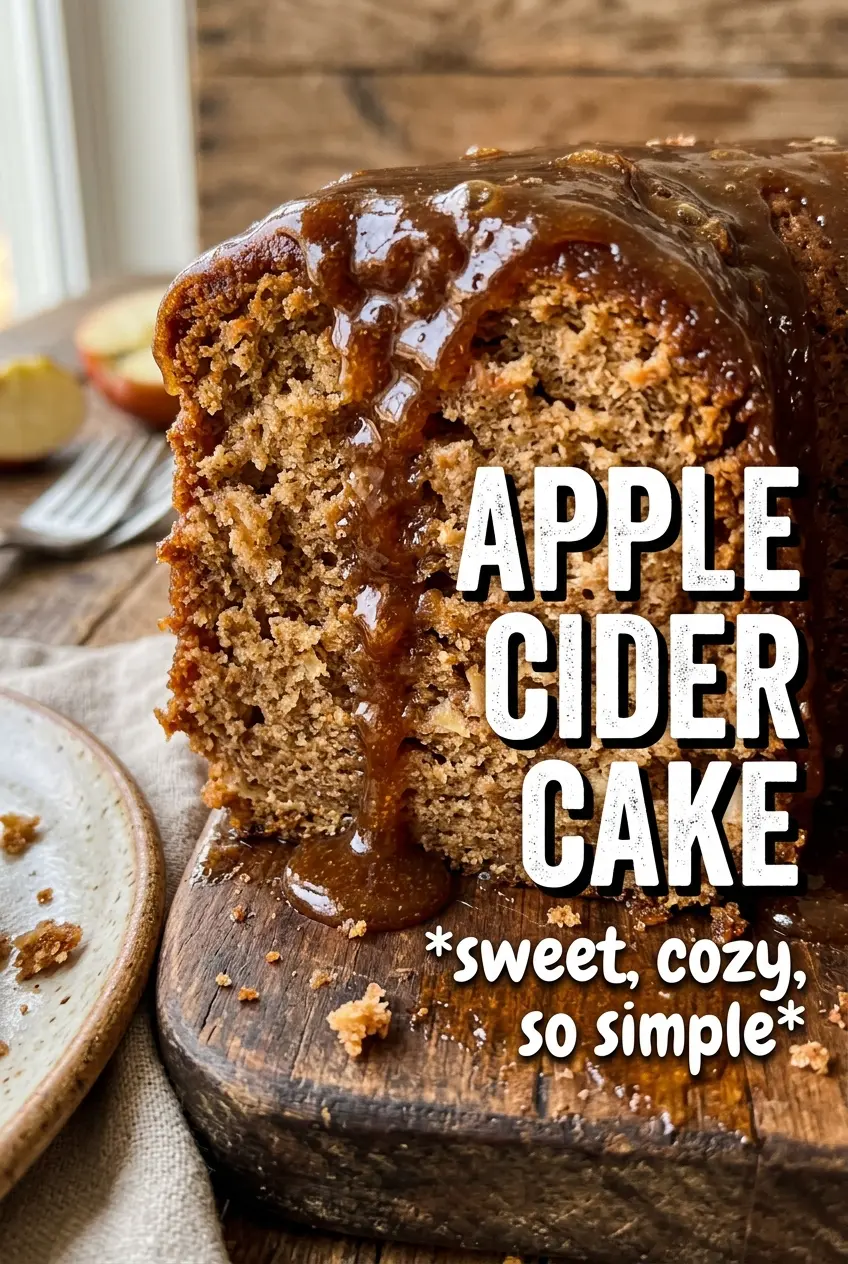
Apple Cider Cake
Ingredients
Equipment
Method
- Reduce the apple cider to 1/2 cup, then cool completely before using. This concentrates flavor so the crumb stays aromatic.
- Preheat the oven to 350F and grease two 9-inch pans. Keep the pans ready for immediate batter filling.
- Whisk the all-purpose flour, baking powder, baking soda, cinnamon, nutmeg, allspice, and salt together. Mix until the spices are evenly dispersed.
- Beat the softened butter and brown sugar until very fluffy, then beat in the eggs and vanilla. Stop and scrape as needed to keep the mixture smooth.
- Add the reduced cider to the batter and mix until just combined. The batter should look glossy and cohesive.
- Alternate adding the flour mixture and the sour cream to the batter. End with the flour mixture to avoid overmixing.
- Divide the batter between the two greased pans. Tap the pans lightly to level the tops.
- Bake for 35-40 minutes at 350F, until the centers spring back and a toothpick comes out clean. Cool the cakes completely before frosting.
- Beat the cream cheese frosting ingredients until fluffy. Stop when the frosting holds soft peaks.
- Frost the cakes and stack the layers. Spread frosting evenly so the layers stay aligned.
- Drizzle caramel down the sides and over the top. Let it set briefly before slicing.