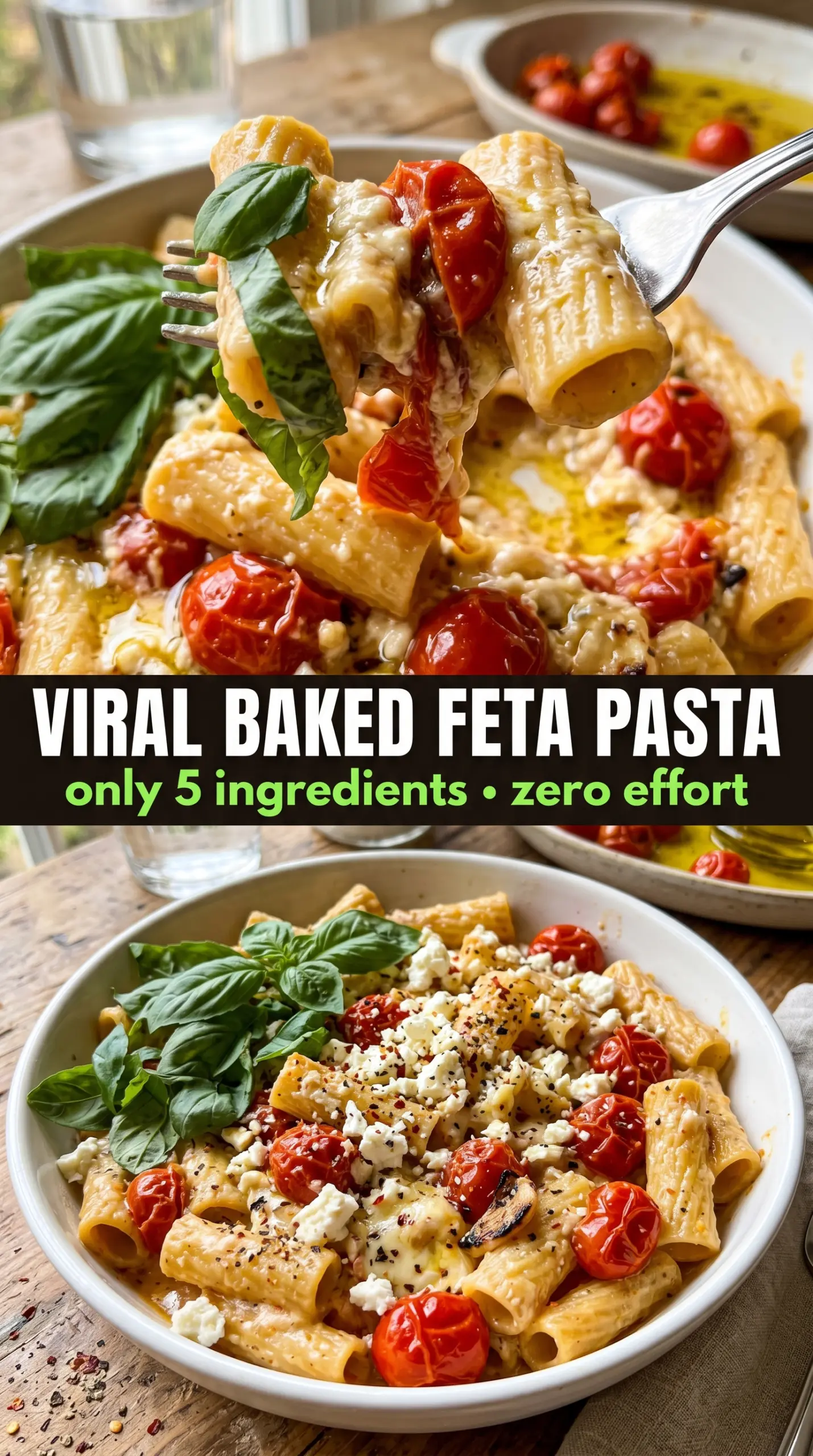
Baked feta pasta earns its place on the regular dinner rotation because the sauce comes together without cream, without a separate pan, and without any fiddly emulsion work. You end up with a glossy, tangy sauce that clings to every ridge of pasta, plus sweet burst tomatoes and little pockets of salty feta in every bite. It looks like a dish that took a lot more effort than it did.
The trick is letting the tomatoes do their job first. As they roast, they collapse and release their juices, and that liquid mixes with the softened feta to form the sauce. If the feta goes in too cold or the tomatoes are crowded, you miss that jammy, concentrated base and the whole dish turns thinner and less flavorful. A little pasta water helps loosen everything into a silky finish, but only after the cheese and tomatoes have been smashed together.
Below, I’m walking through the part that matters most: how to roast everything until the tomatoes blister properly, how much pasta water to add, and what to change if you want to make this with what’s already in the pantry.
The tomatoes got jammy and the feta melted into the prettiest creamy sauce once I added a splash of pasta water. I was worried it would be too salty, but it was balanced perfectly and the basil on top made it taste fresh instead of heavy.
Save this baked feta pasta for the night you want a creamy roasted tomato sauce without standing over the stove.
The Reason the Tomatoes Need Space to Burst, Not Crowd Together
The biggest mistake with baked feta pasta is packing the tomatoes too tightly around the cheese. If they’re jammed in a crowded dish, they steam before they roast, which means you get pale tomatoes and a watery sauce instead of that concentrated, sweet-tart base. Give them room and they’ll blister, split, and collapse into their own juices.
The feta also needs direct heat around the edges. That golden rim is where a lot of the flavor comes from, and it happens when the cheese sits in the middle of a hot oven long enough to soften without fully dissolving. If you pull it too early, it stays chalky in the center and won’t smash into a smooth sauce.
- Cherry tomatoes — These roast fast and burst cleanly. Grape tomatoes work too, but they’re usually a little less juicy, so you may need a touch more pasta water at the end.
- Feta — Use a block, not crumbles. Block feta softens into a creamy, spreadable base; pre-crumbled feta dries out and won’t melt into the same texture.
- Olive oil — This is part of the sauce, not just a coating. A good extra-virgin olive oil adds body and rounds out the saltiness of the feta, but an everyday bottle works fine here.
- Garlic — Smashing the cloves keeps them from burning before the tomatoes finish roasting. Whole cloves turn sweet and mellow in the oven and disappear into the sauce instead of tasting sharp.
What Each Ingredient Is Actually Doing in This Pasta Dish
- Pasta (cooked to al dente) — Reserve cooking water for sauce. Thick, starchy water is essential.
- Sauce or oil (the vehicle) — This carries flavors and coats pasta. Quality ingredients shine.
- Aromatics (garlic, onion, herbs) — Cook with oil first to bloom. They become the foundation.
- Protein (if using) — Cook until done but not overdone. Integrate with sauce smoothly.
- Vegetables (if using) — Cut uniformly so they cook evenly. Add by cooking time.
- Cheese (if using, like feta or parmesan) — Add off heat so it melts smoothly. Prevents clumping.
- Acid (vinegar, wine, or lemon) — This prevents heavy sauce and balances richness.
- Final emulsification (toss gently with starchy water) — This creates silky sauce that clings to pasta.
Building the Sauce From the Pan, Not in a Separate Pot
Roasting the Base
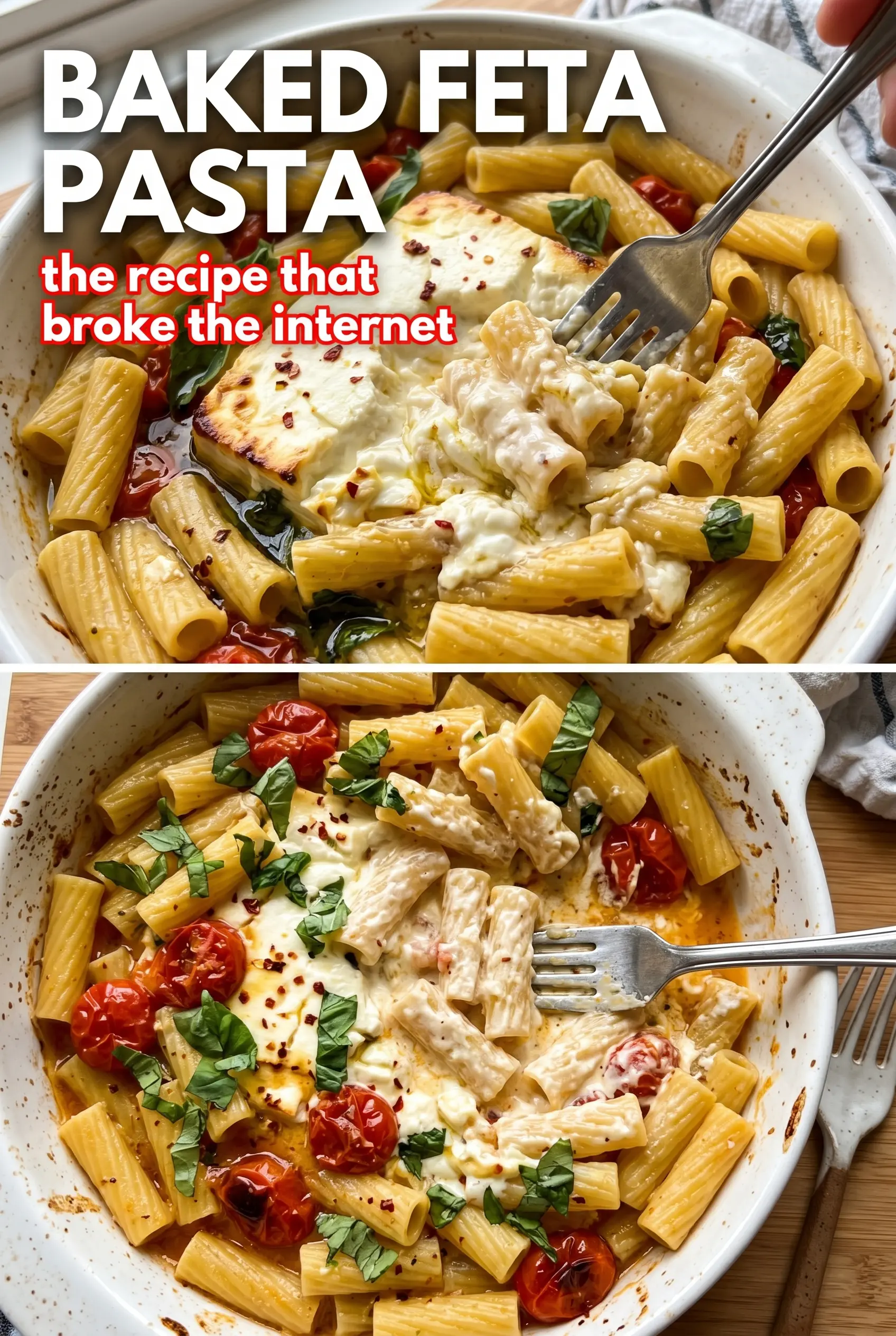
Set the feta block in the center of the baking dish and tuck the tomatoes and garlic around it in a single layer. Drizzle everything generously with olive oil so the tomatoes can blister instead of dry out. The dish is ready when the tomatoes are collapsed and wrinkled, their skins split, and the feta has taken on a little color at the edges. If the tomatoes still look tense and glossy, give them more time.
Turning the Pan Into Sauce
Use a fork to smash the feta and stir it into the tomatoes right in the baking dish. Press down on the tomatoes until their juices mingle with the cheese and the mixture looks thick and creamy instead of separated. If it seems stiff, add pasta water a splash at a time. The starch in that water helps the sauce turn glossy and clingy, while too much at once makes it loose and dull.
Coating the Pasta
Add the cooked pasta to the baking dish and toss until every piece is coated. The sauce should cling to the noodles and leave a light sheen on the bowl, not pool at the bottom. If it looks tight or dry after tossing, add another small splash of pasta water and toss again. Finish with basil and a final drizzle of olive oil while the pasta is still hot so the herbs stay bright.
Three Ways to Make This Baked Feta Pasta Work for What You Have
Gluten-Free Pasta Without Losing the Sauce
Use a sturdy gluten-free pasta shape like brown rice penne or chickpea rotini. Cook it just shy of done so it can finish in the sauce without falling apart. Gluten-free pasta doesn’t shed quite as much starch, so keep a little extra pasta water on hand to help the sauce loosen and coat evenly.
Dairy-Free Version That Still Tastes Rich
Swap the feta for a firm dairy-free feta-style block that can soften in the oven. It won’t melt exactly the same way, so mash it aggressively with the tomatoes and add a little extra olive oil at the end for body. The result is less tangy than the original, but still creamy and satisfying.
Add Protein Without Breaking the Dish
Stir in cooked chicken, shrimp, or white beans after the sauce is mixed and before you add the pasta. This keeps the protein from drying out and lets it pick up the tomato-feta sauce instead of competing with it. White beans are the easiest option if you want a vegetarian main that still eats like dinner.
Storage and Reheating
- Refrigerator: Store leftovers in an airtight container for up to 4 days. The sauce will thicken as it sits, and the pasta will absorb some of the moisture.
- Freezer: It freezes, but the pasta softens after thawing, so I only freeze it if I have no other choice. For best texture, freeze the sauce separately and cook fresh pasta later.
- Reheating: Warm it gently on the stove or in the microwave with a splash of water to loosen the sauce. The common mistake is blasting it on high heat, which makes the feta turn grainy and the pasta dry out before the center is hot.
Answers to the Questions Worth Asking
Baked Feta Pasta
Ingredients
Equipment
Method
- Preheat the oven to 400°F and place the feta in the center of a 9x13 baking dish.
- Surround the feta with the cherry tomatoes and smashed garlic, then drizzle with olive oil.
- Season with red pepper flakes, salt, and cracked black pepper, distributing the tomatoes around the feta.
- Bake for 30-35 minutes until the feta is golden at the edges and the tomatoes burst and release their juices, visible as glossy tomato liquid in the pan.
- While the feta bakes, cook the penne or rotini in well-salted boiling water until al dente.
- Before draining, reserve 1 cup of pasta water so you can adjust the sauce texture later.
- Use a fork to smash the baked feta and stir it into the roasted tomatoes until you get a creamy, glossy sauce, adding pasta water as needed.
- Add the cooked pasta and toss until fully coated, then drizzle with extra olive oil.
- Scatter fresh basil over the top, with the basil leaves bright and fresh-looking right before serving.