Bang bang salmon lands on the plate with crisp edges, a tender center, and a glossy sweet-heat sauce that clings instead of sliding right off. The salmon gets a proper sear first, which gives you that little bit of crust that makes each bite feel finished, then the sauce brings in creamy, tangy, spicy balance. It’s the kind of dinner that looks like you worked harder than you did.
The trick is keeping the salmon dry and the pan hot enough to build color before the fish has time to steam. The sauce is a simple mix of mayo, sweet chili sauce, sriracha, honey, and lime juice, but the proportions matter: enough mayonnaise to make it creamy, enough chili sauce for body, and just enough lime to keep it from tasting heavy. Brushing it on while the salmon is still warm helps it melt into the top layer without thinning out into a puddle.
Below you’ll find the small details that matter most: how to get the skin crisp, what to watch for when the salmon is just done, and the best way to adjust the heat if you want it milder or sharper.
The sauce thickened up perfectly and the salmon skin stayed crisp even after I brushed on the glaze. My husband asked if I could put this on the menu every week.
Love the crisp-edged salmon and glossy bang bang sauce? Save this one for your next fast dinner night.
The Sear Is Doing More Than Crisping the Skin
Most salmon goes wrong when the heat is too low or the fish goes into the pan wet. In that case, the surface steams, the skin turns soft, and the flesh starts to fall apart before it has any chance to brown. Dry salmon and a hot skillet are what give you the contrast this dish needs.
Skin-side down for most of the cook time is the move here. It protects the delicate flesh, renders the fat under the skin, and helps the salmon release cleanly from the pan once it’s ready. If it sticks, it’s not time to force it; give it another minute and it usually lifts on its own.
- The fillets should look opaque around the bottom edges before you flip them.
- You want a crisp, deep golden skin, not a pale one that still clings to the pan.
- If the salmon is overcooked, the sauce can’t hide it. Pull it when the center still has a little translucence and finish with the warm glaze.
What Each Ingredient Is Actually Doing in This Recipe
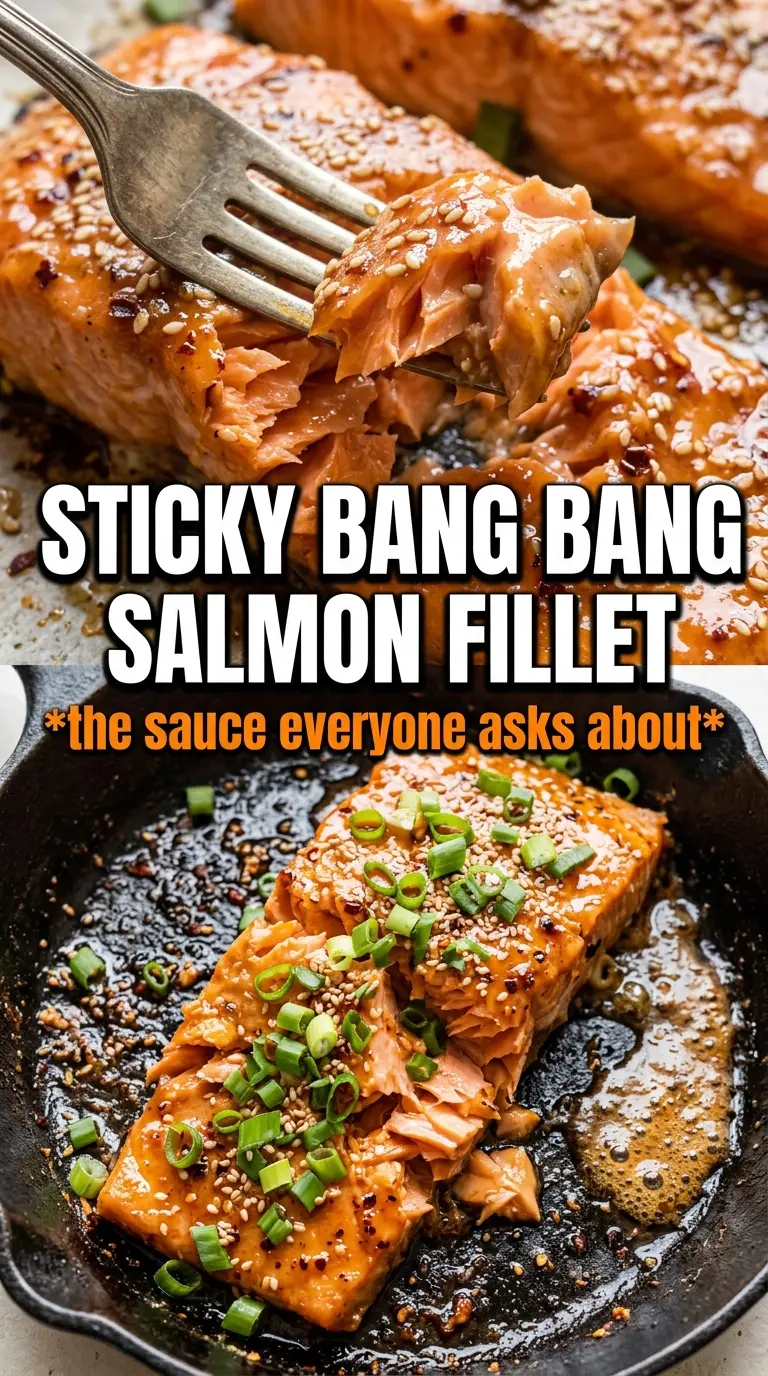
- Primary ingredient (the star) — Quality matters most. Choose the best you can find.
- Cooking medium (oil, butter, or broth) — This carries flavors and prevents dryness.
- Seasonings (salt, pepper, spices, herbs) — Layer flavors so nothing overpowers. Build depth gradually.
- Aromatics (garlic, onion, herbs) — Cook with fat to bloom flavors. Become the foundation.
- Supporting ingredients — Complement the main ingredient without overpowering it.
- Sauce or liquid (if applicable) — Brings flavors together. Balance richness with acid.
- Acid (lemon, vinegar, wine, or other) — Brightens and prevents flat-tasting results.
- Final finish (garnish, glaze, or sauce) — Prevents one-dimensional taste and adds visual appeal.
What the Sauce Is Actually Doing Here
- Salmon fillets — Skin-on fillets hold together better in the skillet and give you a built-in barrier between the hot pan and the tender flesh. If you buy center-cut pieces of similar thickness, they’ll cook more evenly than random tail pieces.
- Mayonnaise — This is the creamy base that lets the sauce coat the fish instead of running off. Full-fat mayo gives the best body, and light mayo tends to taste thinner and separate more easily when it hits warm salmon.
- Sweet chili sauce — This brings sweetness, a little vinegar, and enough thickness to make the glaze cling. There isn’t a perfect substitute for the exact sticky-sweet texture, but a mix of hot honey and a splash of rice vinegar can work in a pinch.
- Sriracha — This is where the heat comes from, but it also adds garlic and tang. If you want a milder finish, cut it back to 2 teaspoons; if you want more bite, add another teaspoon after tasting the sauce.
- Lime juice — The acid keeps the sauce from feeling heavy and sharpens the whole dish. Bottled lime juice works, but fresh lime gives the cleanest finish, especially if you’re serving this with rice or noodles.
Getting the Salmon Crispy Before the Glaze Goes On
Drying and seasoning the fillets
Pat the salmon dry on every side before you season it. That surface moisture is the main reason fish steams instead of sears. A light coating of salt, pepper, garlic powder, and smoked paprika gives the fish a seasoned crust that can stand up to the sauce without getting buried by it.
Building the bang bang sauce
Whisk the mayo, sweet chili sauce, sriracha, honey, and lime juice until smooth, then split it in half. One portion goes on the salmon, and the other stays clean for drizzling at the end. If you mix all the sauce onto the fish at once, you lose that fresh, glossy finish and the plate tastes flatter.
Searing without rushing the pan
Heat the oil until it shimmers, then lay the salmon in skin-side down and leave it alone. You should hear a steady sizzle, not a violent sputter. If the heat is too high, the skin burns before the center cooks; if it’s too low, you’ll get gray, damp salmon instead of crisp edges. Flip only when the fillets release easily and the flesh is mostly cooked up the sides.
Finishing with warm sauce
Brush the sauce over the salmon while it’s still warm, not blazing hot. Warm fish helps the glaze loosen and settle into the top layer without breaking. Finish with sesame seeds and green onions so you get a little crunch and freshness against the creamy sauce.
How to Adjust Bang Bang Salmon Without Losing the Balance
Make it milder for a less spicy dinner
Cut the sriracha down to 1 teaspoon and keep the honey where it is. You’ll still get the sweet, tangy bang bang flavor, but the heat will sit in the background instead of taking over the plate.
Make it dairy-free and gluten-free without changing the method
This recipe is already dairy-free as written, and it’s gluten-free if your sweet chili sauce is certified gluten-free. That’s the only label worth checking, since some brands thicken their sauce with ingredients that don’t fit a gluten-free pantry.
Swap the salmon for another fish
Cod or trout can work, but they’re more delicate than salmon and need a gentler flip. Use the same sauce, shorten the cook time, and watch for opaque flakes instead of relying on the clock alone.
Turn it into bowls instead of plated fillets
Slice the cooked salmon and serve it over rice with cucumber, avocado, or shredded cabbage. The sauce plays well with grains because the extra toppings catch any drips, and you get a little more stretch from the same amount of fish.
Storage and Reheating
- Refrigerator: Store leftover salmon in an airtight container for up to 2 days. The skin softens in the fridge, but the flavor stays good.
- Freezer: Freezing cooked salmon isn’t my first choice here because the sauce and fish texture both change. If you do freeze it, wrap it tightly and thaw it in the fridge before reheating.
- Reheating: Warm it gently in a skillet over low heat or in a 275°F oven just until heated through. High heat dries out the salmon fast and can make the sauce split or turn greasy.
Questions I Get Asked About This Recipe
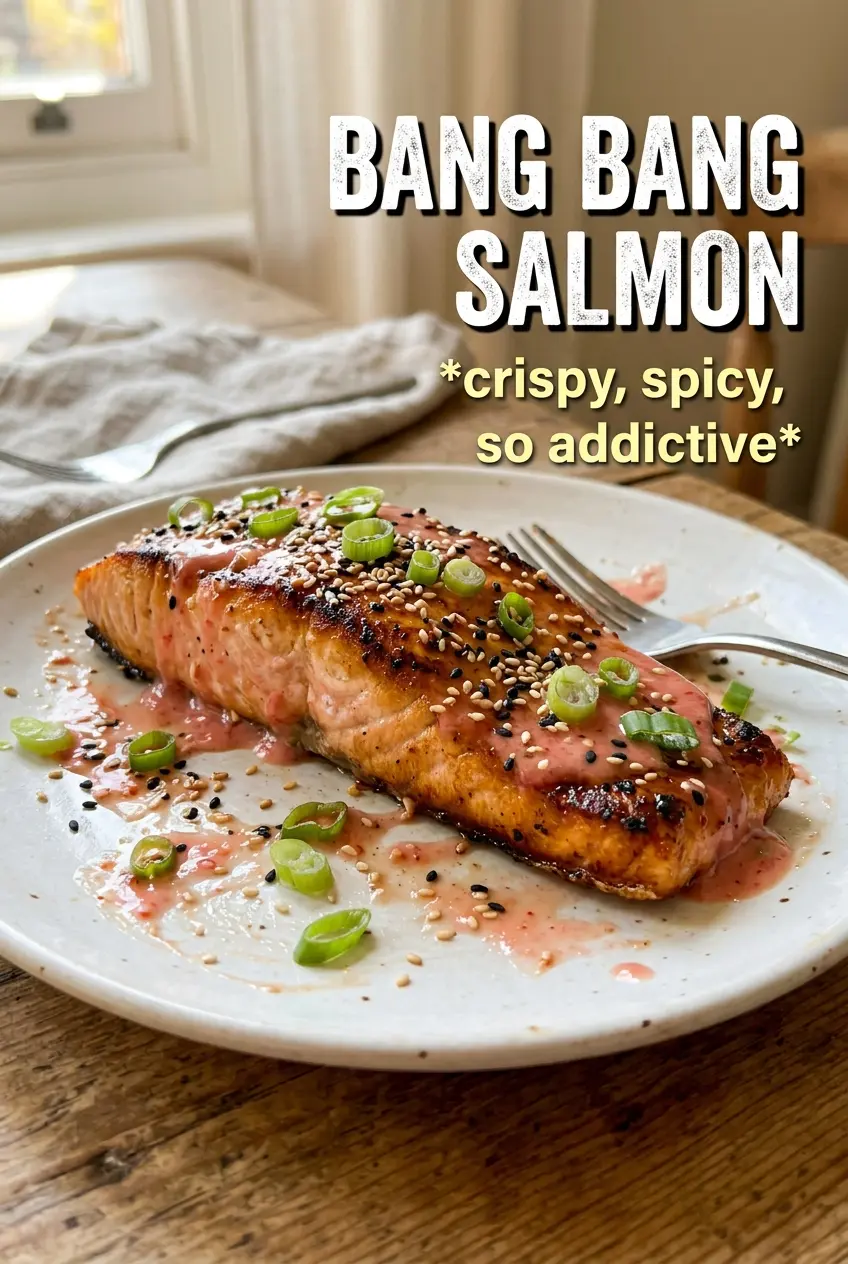
Bang Bang Salmon
Ingredients
Equipment
Method
- Pat salmon completely dry and season all sides with salt, pepper, garlic powder, and smoked paprika to taste.
- Whisk together mayonnaise, sweet chili sauce, sriracha, honey, and lime juice, then reserve half of the bang bang sauce for serving.
- Heat olive oil in a large non-stick skillet over medium-high heat until shimmering.
- Place salmon skin-side down and sear for 5-6 minutes until the skin is crispy.
- Flip and cook for 3-4 more minutes until the salmon is just cooked through.
- Brush the warm salmon generously with the remaining bang bang sauce.
- Transfer salmon to plates and drizzle with the reserved sauce.
- Finish with sesame seeds and sliced green onions for garnish.