Campfire popcorn in a can turns a regular fire into the part everyone gathers around. The kernels pop right inside the can, so you get that fresh, toasty popcorn smell drifting through the smoke before you even tip it into a bowl. It’s the kind of snack that feels a little old-school in the best way: simple, hands-on, and fun to watch from the first pop to the last.
The trick is keeping the can moving and giving the steam a place to escape. That constant shaking keeps the kernels from scorching on the bottom, while the holes in the lid or base prevent the popcorn from turning chewy. A little oil goes a long way here; it coats the kernels evenly and helps them heat fast enough to pop without drying out.
Below, I’ve included the small details that matter most, from the right kind of can to the stage where the popping slows and it’s time to pull it off the heat. There’s also a quick guide for seasoning it your way once it’s in the bowl.
The popcorn came out light and crisp, and shaking the can kept the bottom from burning. We did it over a small fire and every kernel that popped tasted smoky and fresh.
Like this campfire popcorn in a can? Save it to Pinterest for your next campsite snack or backyard fire night.
The Reason the Kernels Pop Evenly Instead of Burning
The biggest mistake with campfire popcorn is treating the can like a pot on a stove. Open flame is uneven, and the bottom edge can scorch before the center kernels are ready. The fix is motion. When you keep the can moving and don’t park it in one spot for too long, the oil coats the kernels as they heat and the popping stays even enough to keep most of them from turning black.
Steam control matters too. If the can is sealed too tightly, the popcorn can go soft instead of crisp. That’s why the vent holes are worth the extra minute with a punch or nail. They let moisture escape while still keeping the kernels contained, which is the difference between fresh popcorn and a steamy disappointment.
- Vegetable oil — A neutral oil handles the direct heat better than butter does. Butter burns too fast over a fire, but you can still add it after popping for flavor.
- Metal coffee can — Thin enough to heat quickly, sturdy enough to hold over flames, and wide enough for the kernels to move around. A similar clean metal can works if it’s food-safe and unlined.
- Vent holes — Don’t skip them. They release steam so the popcorn stays crisp instead of turning leathery inside the can.
What Each Piece Is Doing Once the Can Hits the Fire
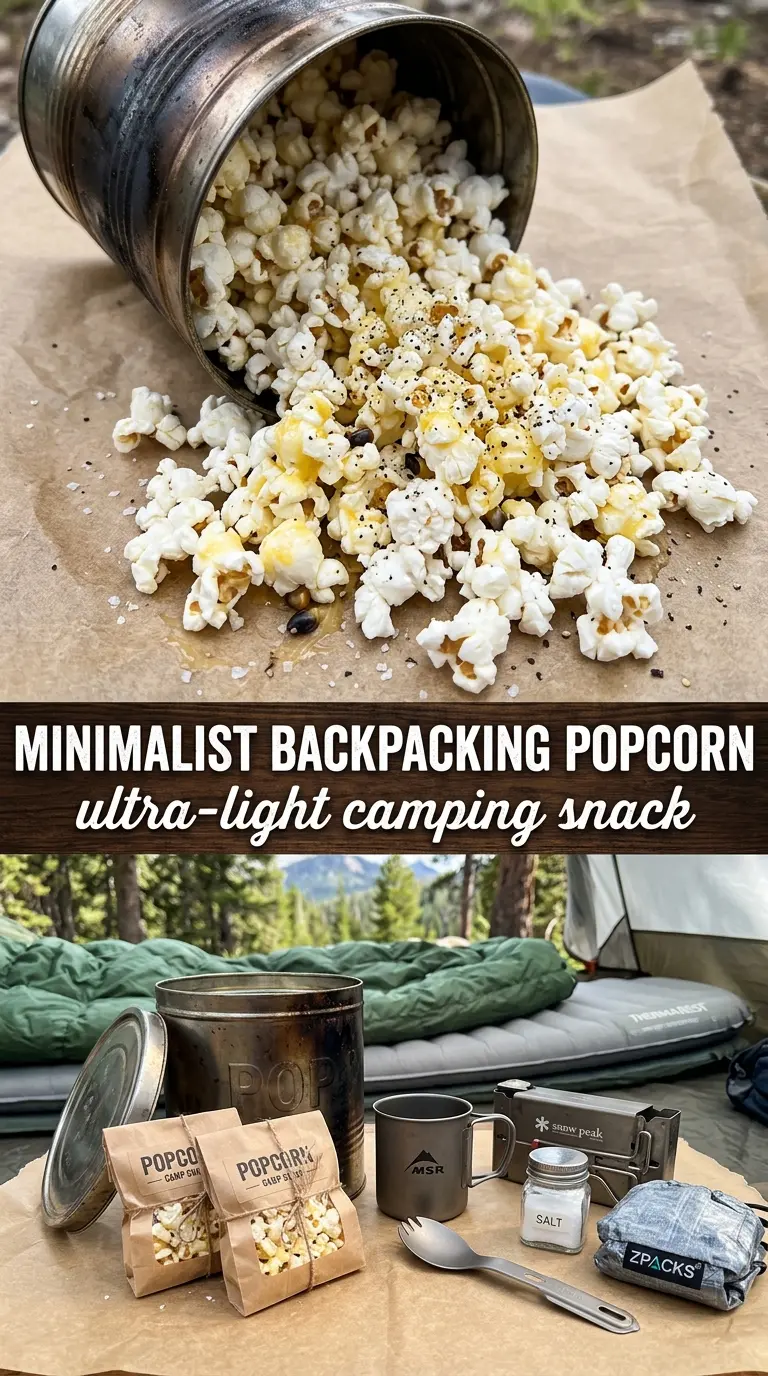
- Popcorn kernels — Use standard popping corn, not old kernels that have been sitting in the pantry forever. Fresh kernels pop more reliably and leave fewer hard bits at the bottom.
- Oil — Just enough to coat the kernels is the goal. Too little and they scorch; too much and they fry instead of pop.
- Salt — Add it after popping so it sticks to the hot popcorn. Salting before the fire can leave the seasoning stuck to the can instead of the snack.
- Melted butter — This is optional, and it works best poured over the finished popcorn in a bowl. Put it in the can and you raise the risk of burning before the kernels are done.
Keeping the Can Moving Until the Popping Slows
Building the Can
Punch several small holes in the bottom of the coffee can before you add anything else. They need to be large enough for steam to escape but small enough that kernels stay inside. Add the popcorn kernels and oil, then secure the lid so the can doesn’t spill when you start shaking it over the fire. If the lid is loose, the popcorn can jump out as it pops, and that’s how you lose half the batch to the coals.
Shaking Over the Fire
Hold the can over the fire and keep it moving constantly. A steady back-and-forth shake is better than holding it still, because the kernels nearest the heat pop first and the rest need circulation to catch up. Listen for the pace of the popping; when it slows to several seconds between pops, the batch is ready to come off. If the popping stalls early, the fire is probably too low or the can isn’t close enough to the heat.
Finishing and Seasoning
Remove the can carefully and open the lid away from your face, because hot steam will rush out fast. Pour the popcorn into a bowl right away so the bottom doesn’t keep cooking from trapped heat. Salt it while it’s still hot, then add melted butter if you want that classic finish. The popcorn should be light, dry, and crisp, not damp or oily.
How to Adjust This for Bigger Fires, Better Flavor, or Different Diets
Dairy-Free Campfire Popcorn
Skip the butter and finish with extra salt, smoked paprika, or a little nutritional yeast. You’ll keep the same crisp texture without adding anything that can separate or burn in the bowl.
Cheesy Campfire Popcorn
Toss the finished popcorn with finely grated Parmesan while it’s still hot. The cheese clings best when the popcorn is fresh from the can, and you get a savory finish without wetting the kernels.
Sweet Campfire Popcorn
Dust the popcorn with cinnamon sugar after it comes out of the bowl, not before. Sugar near the fire will scorch, but added at the end it gives you a crunchy, campfire-carnival finish.
Storage and Reheating
- Refrigerator: Best eaten right away. Leftover popcorn turns stale and loses its snap within a day.
- Freezer: Not a good freezer snack. The texture suffers once moisture gets involved.
- Reheating: If it softens, spread it on a baking sheet and warm it in a low oven for a few minutes. Don’t microwave it, or you’ll get tough spots instead of crisp kernels.
Answers to the Questions Worth Asking
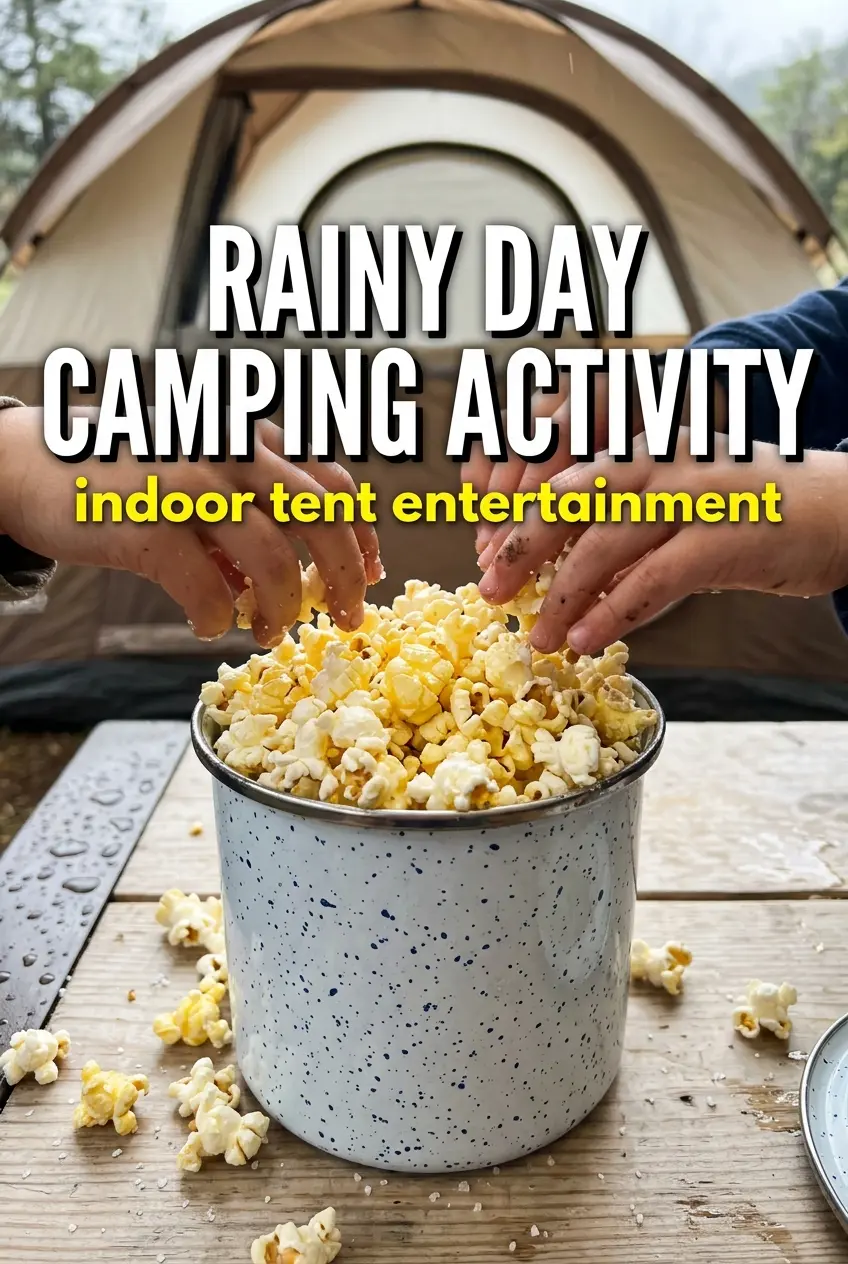
Campfire Popcorn in a Can
Ingredients
Equipment
Method
- Punch several small holes in the bottom of the can for ventilation, then keep the can dry and ready to use (no heat yet). Visually confirm the holes are clear so air can move inside.
- Add popcorn kernels and vegetable oil to the can, then secure the lid tightly so nothing spills during popping.
- Create a handle by wrapping the wire around the can so you can hold it safely over the campfire without blocking the bottom vents.
- Lift the can near the heat source and check the handle grip so you can maintain constant shaking during popping.
- Hold the can over campfire flames and shake constantly for 8-10 minutes until popping slows; keep the can moving so kernels don’t burn. Watch for active popping that gradually quiets as it finishes.
- Carefully remove the lid and pour the popcorn into a bowl, using caution as steam may release. Aim for an even pour so unpopped kernels stay behind.
- Season with salt and melted butter if desired, then toss briefly to coat. Taste and adjust salt to your preference.