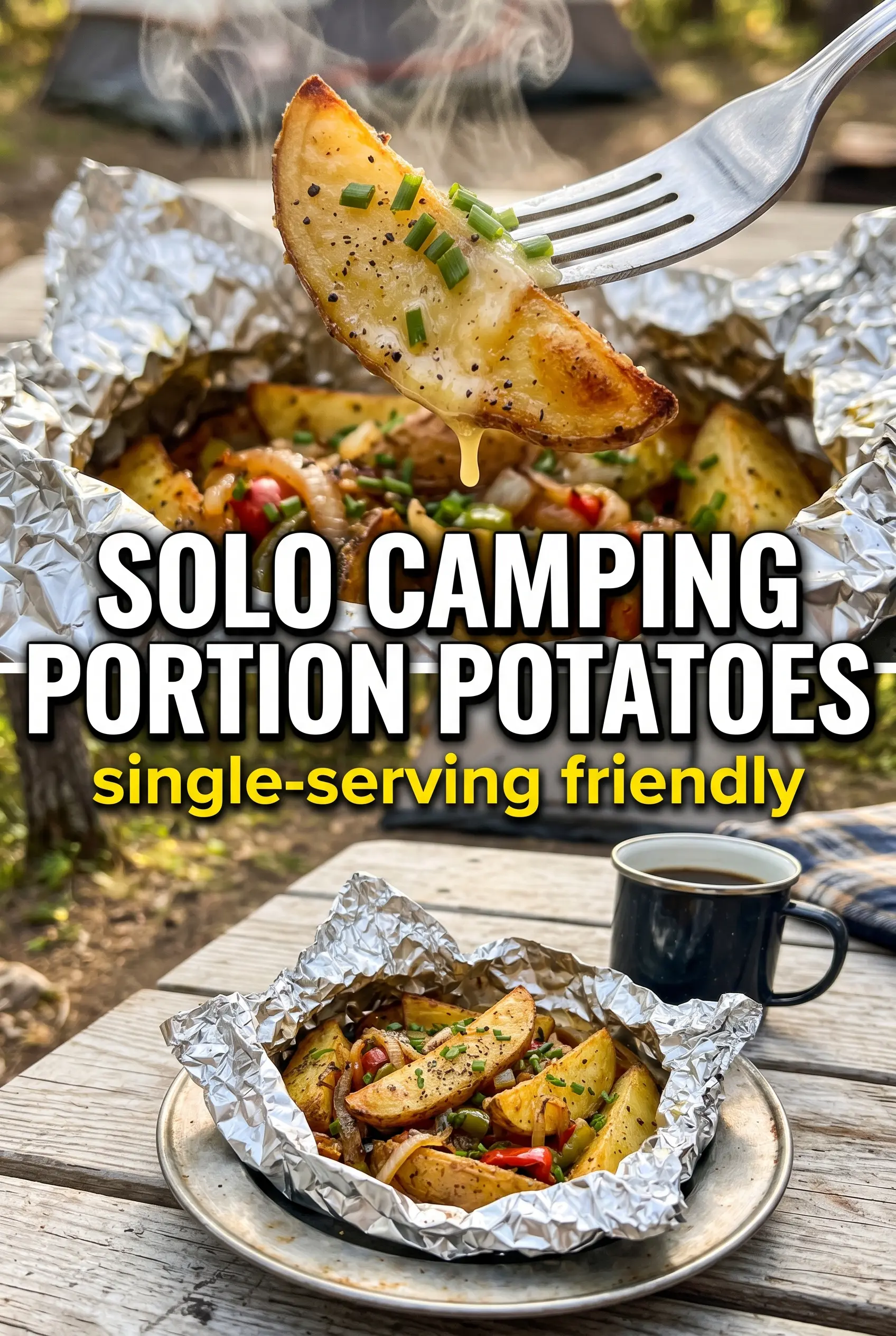
Campfire potatoes come out with tender centers, crisped edges, and that buttery onion flavor that makes everyone hover near the fire for “just one more scoop.” The foil packet does the heavy lifting here. It traps steam at the start so the potatoes cook through, then the last few minutes over the grate give the slices enough direct heat to pick up a little color without turning dry.
The trick is slicing the potatoes thin enough to cook evenly and keeping the packet tightly sealed so the butter melts into every layer. A double layer of heavy-duty foil matters more than people think, especially over live coals, because it keeps the packet from tearing when you flip it. The seasoning is simple on purpose. Garlic powder and paprika cling to the potatoes better than fresh garlic would in this setup, and the onion softens into sweet strands that taste like they belonged there all along.
Below, I’ve included the little details that keep the potatoes from steaming into mush, plus a few smart variations if you want to change up the cheese or make these work for a different cooking setup.
The potatoes cooked through evenly and the butter soaked right into the onion layers. I opened the packet at the table and the cheese melted in just like promised.
Save these buttery campfire potatoes for your next foil-packet dinner or backyard cookout.
The Part That Keeps Foil Packet Potatoes From Turning Mushy
The biggest mistake with campfire potatoes is crowding too much moisture into the packet and then leaving it too long over high heat. Thin slices cook fast, which is great, but they also give up steam fast. A sealed packet over medium heat lets the potatoes soften before the edges scorch, and flipping halfway keeps the bottom from overcooking against the grate.
If your potatoes still seem firm at 25 minutes, the problem is usually slice thickness, not the heat. Keep them around 1/8 inch if you can, and cut them all about the same size so the stack finishes together. The onion also helps here because it releases moisture and flavor as it cooks, which keeps the packet from tasting flat.
What Each Ingredient Is Actually Doing in the Packet

- Potatoes — Thin slices are non-negotiable here because they cook through at the same pace as the onion and pick up the butter faster. Russets give a fluffier center, while Yukon Golds hold their shape a little better and taste naturally richer. If you use russets, keep the slices even and don’t go too thick or the outside will cook before the middle softens.
- Onion — This is more than filler. It melts down under the potatoes, adds sweetness, and keeps the packet tasting savory instead of just buttery. Yellow onion is the best all-purpose choice, but white onion works if that’s what you’ve got.
- Butter — Cubing it helps the fat melt and spread instead of pooling in one corner. Margarine will work in a pinch, but the flavor won’t be as round and the packet won’t taste as clean. If you want a deeper campfire taste, use salted butter and cut back slightly on added salt.
- Garlic powder and paprika — Powdered seasonings cling to the potato slices and survive the steam better than fresh garlic or delicate herbs. Paprika adds color and a little warmth without overpowering the potatoes. Smoked paprika works too if you want more fire-cooked flavor.
- Heavy-duty foil — Regular foil tears too easily once the potatoes soften and the packet gets flipped. Two sheets give you a stronger seal and better insurance against leaks. If you only have standard foil, double it and keep the packet on medium heat instead of right over hot coals.
Building the Packet So the Potatoes Cook Evenly
Layering the potatoes and onion
Spread the potato slices on the foil in a loose layer, then tuck the onion in between and over the top so the slices cook in the same steamy pocket. If you pile everything into a tight mound, the outside will soften while the center stays underdone. A flatter packet cooks more evenly and is easier to flip without breaking apart.
Seasoning before the seal
Sprinkle the garlic powder, paprika, salt, and pepper over the layers before the packet goes up. That lets the seasoning dissolve into the butter as it melts instead of sitting in dry patches. Dot the butter over the top so it can drip through the stack while it cooks.
Flipping over the heat
Place the packet over medium heat, not the hottest part of the fire. You want steady cooking, not blackened foil and hard potatoes underneath. Flip once halfway through so both sides of the packet get even heat, and open it only when the slices give easily with a fork.
Finishing with cheese
If you’re using cheddar, sprinkle it on after the potatoes are tender and reseal the packet for a minute or two. Adding it too early can make the cheese oily or stringy before the potatoes are ready. The short finish gives you a soft melt without losing the sharp cheddar flavor.
How to Adapt These Foil Packet Potatoes for Different Fires and Tastes
Dairy-Free Campfire Potatoes
Swap the butter for a plant-based butter that melts well and keeps a similar rich finish. Olive oil works too, but the potatoes will taste cleaner and a little less indulgent. The packet still cooks the same way, though the edges won’t have quite the same buttery gloss.
Cheesy Loaded Version
Add shredded cheddar only at the end, after the potatoes are already tender, so it melts on top instead of disappearing into the steam. A little cooked bacon or sliced green onion works well here, but add both after opening the packet so the bacon stays crisp and the onion stays fresh.
Oven or Grill Instead of Campfire
Bake the sealed packet at 400°F or set it on a covered grill over medium heat until the potatoes are tender. This is the easiest route when you want the same texture without managing live coals. Check for doneness with a fork through the foil; if it slides in easily, the packet is ready.
Lower-Salt Version
Use unsalted butter and lean on paprika and black pepper for seasoning, then finish with a tiny pinch of salt at the table if needed. This keeps the flavor balanced without muting the potatoes. It’s the best adjustment if you’re serving these alongside salty meats or barbecue.
Storage and Reheating
- Refrigerator: Store leftovers in an airtight container for up to 3 days. The potatoes soften a bit as they sit, but the flavor stays good.
- Freezer: They don’t freeze well once cooked. The texture turns grainy and watery after thawing, so it’s better to make a fresh packet.
- Reheating: Warm leftovers in a skillet over medium-low heat with a small dab of butter, or reheat in a foil packet in a 350°F oven until hot. The mistake to avoid is blasting them in the microwave, which makes the slices rubbery and uneven.
Answers to the Questions Worth Asking
Campfire Potatoes
Ingredients
Equipment
Method
- Layer the thinly sliced potatoes and sliced onion on a large double-layer of heavy-duty aluminum foil so the slices lie mostly flat for even cooking. Keep the foil centered and ready to fold into a sealed packet.
- Dot the potatoes with cubed butter and season evenly with garlic powder, paprika, salt, and pepper. Make sure seasoning reaches the onion too so every forkful tastes balanced.
- Fold the foil into a sealed packet, pressing the edges firmly to prevent steam from escaping. Leave a little space above the food so the packet doesn’t burst as it heats.
- Place the sealed packet on a campfire grate over medium heat for 25 to 30 minutes. Set it so the packet is heated steadily rather than directly flamed.
- Flip the packet halfway through cooking for more even browning and tender steaming. Return it to the grate promptly and keep the heat at medium.
- Open the packet carefully and sprinkle with shredded cheddar cheese if desired. Reseal the foil packet right away to trap the heat for melting.
- Reseal and cook for 2 minutes more to melt the cheddar, watching for a glossy, gooey top. Serve hot directly from the packet so the potatoes stay steamy and flavorful.