Cinnamon fried apples land somewhere between a skillet dessert and the kind of old-fashioned side dish that disappears before dinner even hits the table. The apples soften just enough to hold their shape, while the brown sugar and butter cook down into a glossy syrup that clings to every slice. The best part is the contrast: tender fruit, warm spice, and a sauce that looks loose at first but turns properly spoon-coating by the end.
This version works because the apples are cooked covered long enough to soften without turning mushy, then the cornstarch slurry gets added only after the fruit has released some juice. That keeps the sauce from becoming watery or grainy. Honeycrisp gives you a sweeter, juicier skillet, while Granny Smith brings more tartness and holds its shape a little longer, so pick based on whether you want the apples to taste bright or rich.
Below you’ll find the small details that matter most: when to uncover the skillet, how thick the syrup should look before you pull it off the heat, and which apples give you the best texture if you’re serving these warm over ice cream, pork chops, pancakes, or straight from the pan.
The sauce thickened up beautifully and the apples stayed tender instead of turning to mush. I served them with pork chops and my husband asked if I could make them again the next night.
These cinnamon fried apples stay glossy, tender, and spoonable — perfect for pork chops, pancakes, or an easy warm dessert.
The Mistake That Makes Fried Apples Turn Mushy
The biggest problem with fried apples is rushing the heat. If the skillet is too hot, the outside softens before the centers have time to catch up, and you end up with broken slices floating in thin syrup. Covered cooking over medium heat lets the apples steam gently in the butter and sugar mixture, which is what gives you that tender-but-intact texture.
The second mistake is thickening too early. Apples release juice as they cook, and that liquid is part of the final sauce. If you add the cornstarch too soon, the sauce can tighten before the fruit is tender, which leaves you with a starchy coating instead of a smooth glaze.
- Medium heat keeps the butter from browning too quickly and gives the apples time to soften evenly.
- The lid traps steam so the fruit cooks through before the sauce reduces too far.
- The cornstarch slurry goes in at the end, when there’s enough liquid in the pan to thicken into a real syrup.
What the Apples, Butter, and Cornstarch Are Doing Here
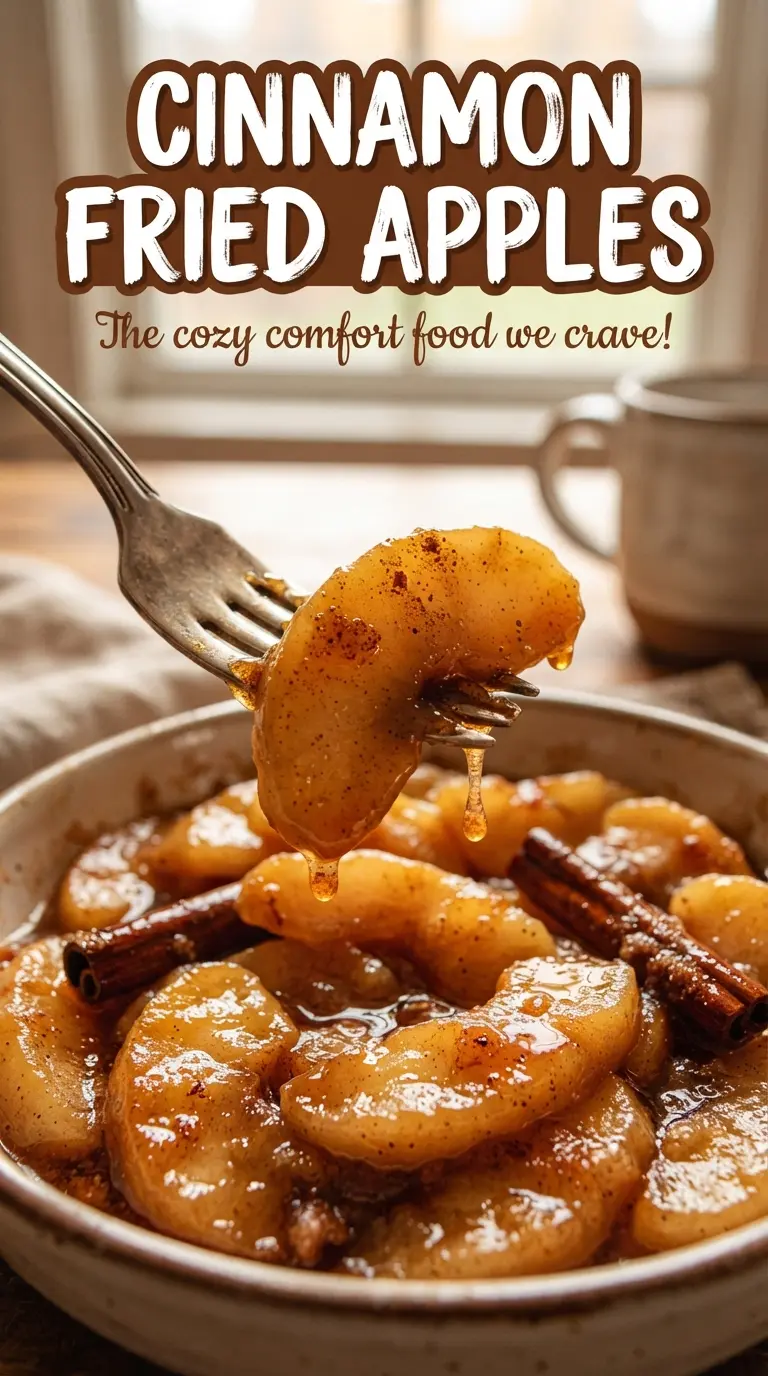
- Firm apples are the backbone of this dish. Honeycrisp gives a sweeter, juicier result, while Granny Smith keeps the flavor brighter and the slices a little firmer. Softer apples can work, but they break down faster and turn the skillet more like applesauce.
- Butter carries the cinnamon and brown sugar and gives the sauce its round, rich finish. You can use salted butter if that’s what you have; just keep the extra salt light.
- Brown sugar is what gives the sauce that deep caramel note. Light or dark both work, but dark brown sugar makes the syrup taste a little richer and molasses-heavy.
- Cornstarch is the key to that glossy finish. Flour won’t give you the same clean sheen, and arrowroot can turn slippery if it boils hard, so cornstarch is the safest thickener here.
- Vanilla goes in at the end so its flavor stays soft and fragrant instead of cooking off. Add it after the heat is off or right as you’re serving.
Building the Syrup Without Overcooking the Apples
Starting the Skillet
Melt the butter over medium heat and add the apples with the sugar and spices right away. Stir until every slice looks coated and the sugar starts to melt into the butter. If the pan is too hot at this stage, the sugar can scorch before the apples release enough moisture, so keep the heat steady and moderate. You’re looking for the mixture to look shiny and a little loose, not dry and crusty.
Softening Under a Lid
Cover the skillet and let the apples cook for 8 to 10 minutes, stirring now and then. The steam under the lid does most of the work, so the slices soften evenly without needing aggressive stirring. They should bend when nudged but still hold their shape. If the pan looks dry before the apples are tender, add a tablespoon or two of water rather than turning the heat up.
Thickening the Sauce
Whisk the cornstarch with water until it’s completely smooth, then pour it into the skillet and simmer for 2 to 3 minutes. The sauce should move from thin and shiny to glossy and lightly syrupy, coating the back of a spoon. If it looks cloudy or pasty, it usually means the slurry wasn’t whisked well enough or the pan was too hot. Keep it at a gentle simmer, not a hard boil.
Finishing with Vanilla
Stir in the vanilla at the end and take the skillet off the heat. That last step keeps the vanilla from tasting flat or cooked-down. Serve the apples warm while the sauce is still loose enough to spoon, because it will thicken more as it sits. If it gets too thick, a splash of water loosens it right back up.
Three Ways to Put Your Own Spin on Cinnamon Fried Apples
Make Them Sweeter or Sharper
Use Honeycrisp or Fuji for a softer, sweeter skillet, or lean on Granny Smith if you want more tartness and a firmer bite. The sugar level works with either one, but the apple you choose changes the whole balance of the dish. Tart apples also hold up better if you plan to reheat leftovers.
Dairy-Free Version
Swap the butter for a good plant-based butter that melts cleanly. Coconut oil will work in a pinch, but it brings its own flavor and makes the sauce taste less like classic fried apples. A neutral dairy-free butter keeps the same silky texture without changing the profile too much.
Extra-Spiced Version
Add a small pinch of cloves or allspice with the cinnamon if you want a deeper, more bakery-style flavor. Use a light hand; those spices can take over fast. This version tastes especially good spooned over vanilla ice cream or bread pudding.
Storage and Reheating
- Refrigerator: Store in an airtight container for up to 4 days. The sauce will thicken as it chills.
- Freezer: It freezes, but the apples soften more after thawing, so the texture is best if you use it as a topping later rather than serving it plain. Freeze in a sealed container for up to 2 months.
- Reheating: Warm gently in a skillet over low heat or in the microwave in short bursts. High heat can make the apples collapse and can tighten the sauce too much, so add a splash of water if it looks overly thick.
Answers to the Questions Worth Asking
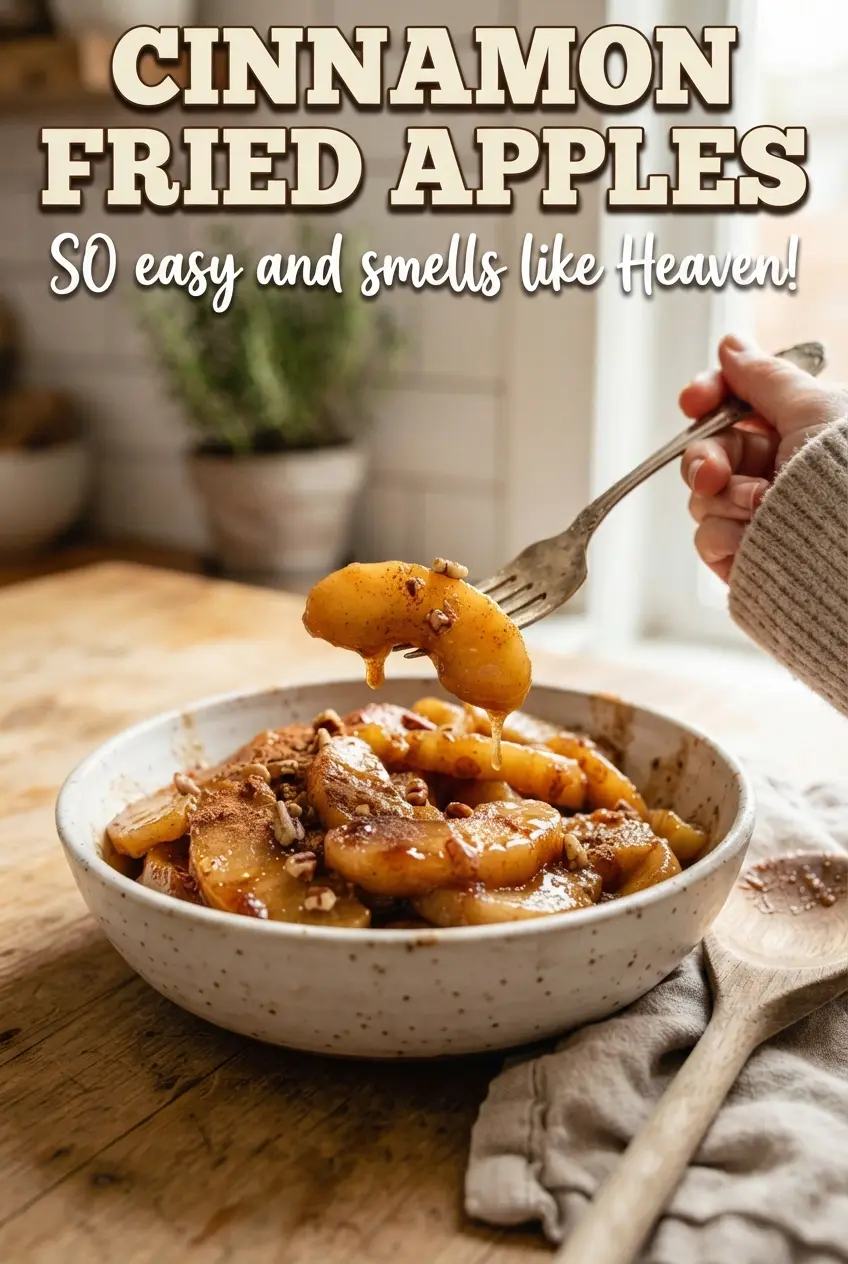
Cinnamon Fried Apples
Ingredients
Equipment
Method
- Melt the butter in a large skillet over medium heat until melted and lightly bubbling.
- Add the sliced apples, packed brown sugar, ground cinnamon, nutmeg, and salt, then stir to coat until the apples look evenly covered.
- Cover and cook 8-10 minutes over medium heat, stirring occasionally, until the apples are just tender and glossy at the edges (steam should be visible under the lid).
- Whisk the cornstarch with the water until smooth, then pour into the skillet in a steady stream.
- Simmer 2-3 minutes, stirring, until the sauce thickens and turns glossy enough to lightly coat a spoon.
- Stir in the vanilla extract and serve warm right away.