Crack chicken foil packets come off the heat with tender chicken, smoky bacon, melted cheddar, and ranch-seasoned creaminess all tucked into one neat little parcel. The best part is the steam that escapes when you open the packet — you get the smell of bacon first, then that rich, cheesy chicken underneath. It’s the kind of meal that feels casual enough for a campfire but still lands with the kind of big, comforting flavor people usually ask for seconds of.
This version works because the chicken cooks in its own sealed environment, so the cream cheese melts into the seasoning instead of drying out or separating. Heavy-duty foil matters here. Thin foil tears too easily, especially when you’re turning packets on a grate or lifting them open over hot coals. The bacon should already be cooked and crumbled before it goes in, since the packet is for finishing the dish, not rendering raw bacon from scratch.
Below, I’ve included the details that keep the packets from leaking, the ingredient swaps that still keep the filling creamy, and the timing cue that tells you when the chicken is actually done.
The packets stayed sealed, the chicken came out juicy, and the cream cheese melted into the ranch and bacon instead of turning oily. I opened mine at the table and everyone immediately asked when I was making them again.
Save these crack chicken foil packets for the nights when you want smoky bacon, ranch, and melty cheese with almost no cleanup.
The Packet Seal That Keeps the Chicken Juicy Instead of Steamed Flat
The biggest mistake with foil packet chicken is leaving too much air space inside or sealing it loosely. That turns the packet into a little vented oven, and the cheese can set before the chicken is fully cooked. A tight seal traps steam and melts the cream cheese into the ranch seasoning, which is what gives you that spoonable, saucy finish when you open it.
Heavy-duty foil isn’t a small detail here. Thin foil can split under the weight of the cheese and bacon, especially if you move the packets around on a grate. If you only have standard foil, double it so the bottom doesn’t burn or tear before the chicken reaches temperature.
What Each Ingredient Is Actually Doing in These Foil Packets
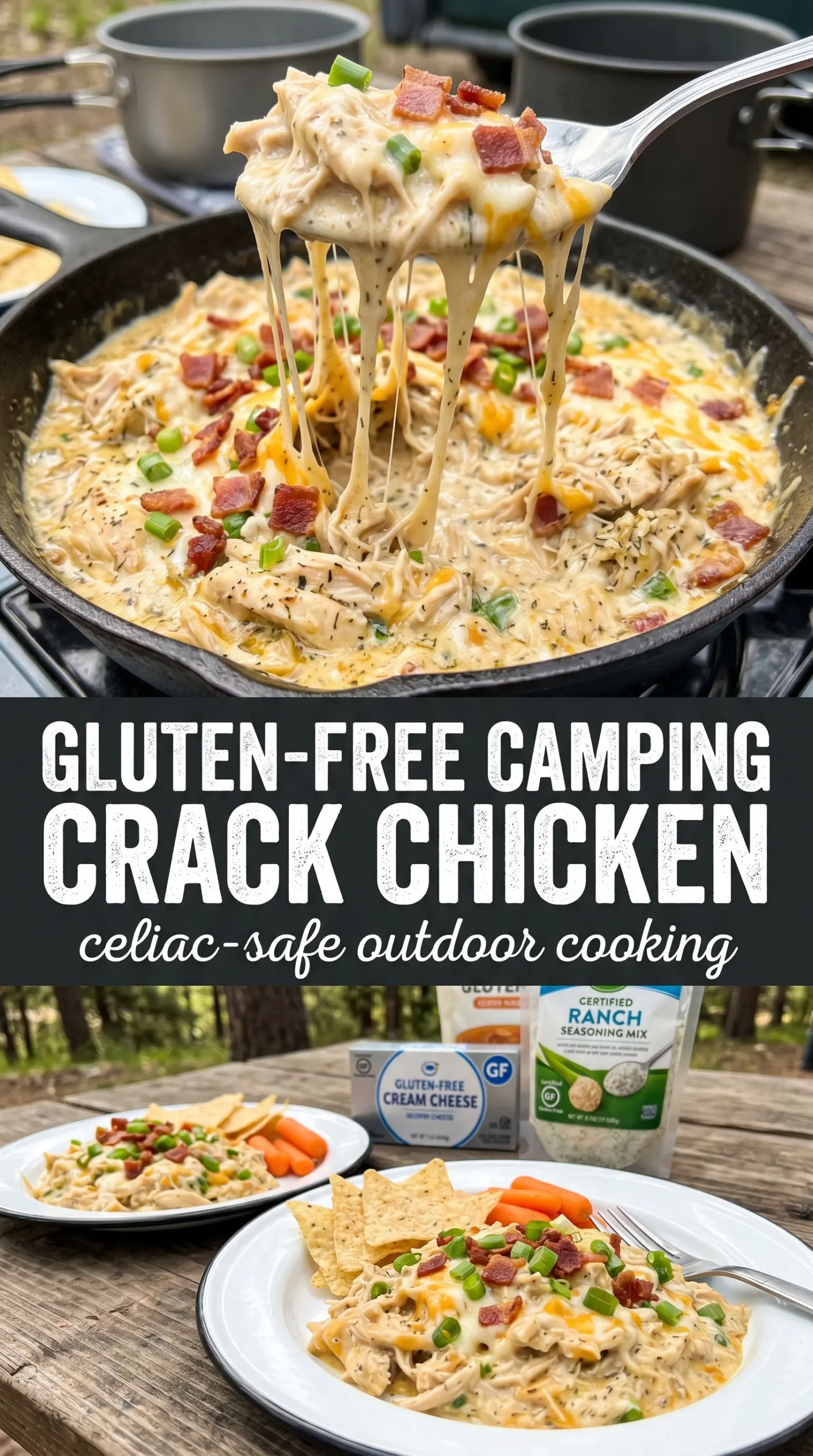
- Chicken breasts — Boneless breasts hold their shape well in packets and stay easy to portion. If yours are thick, pound them to an even thickness so the thinner ends don’t dry out before the center is done.
- Ranch seasoning mix — This is doing the heavy lifting for salt, herbs, and tang in one shot. Homemade ranch seasoning works too, but don’t under-season it; the cream cheese and chicken will mute the flavor a little as they cook together.
- Cream cheese — Cubing it instead of spreading it lets it melt into pockets and then blend into the chicken juices. Use full-fat cream cheese for the smoothest result; low-fat versions can turn grainier under heat.
- Bacon — Pre-cooked bacon brings smoke and salt without forcing you to babysit raw bacon inside a short cook time. Crisp it before crumbling so it stays meaty in the packet instead of turning soft and greasy.
- Cheddar cheese — Shredded cheddar melts into the creamy base and gives the finished packet its gooey top layer. Freshly shredded cheese melts cleaner than pre-shredded because it doesn’t carry the anti-caking coating.
- Green onions — They cut through the richness at the end and keep the packet from tasting one-note. Add them before cooking for a milder flavor, or save a few for the top if you want a brighter finish.
Building the Packets So the Cheese Melts Before the Chicken Dries Out
Season the Chicken First
Lay each chicken breast flat on its own sheet of foil and season it before anything else goes on top. The ranch needs direct contact with the chicken so it can start seasoning the meat instead of just sitting on the cheese. If the chicken is thick in the middle, use a meat mallet or rolling pin to even it out first so the center cooks at the same rate as the edges.
Layer the Bacon and Dairy
Scatter the bacon over the seasoned chicken, then add the cheddar and cream cheese cubes. The order matters less than keeping the dairy distributed across the surface, because that helps it melt evenly as the packet heats. If you pile everything in one mound, the top can brown while the middle stays stubbornly cold.
Seal for Steam, Not Leaks
Fold the foil over the filling and crimp the edges tightly so the packet holds steam without opening on the grate. Leave a little room above the food for circulation, but don’t create a big dome. That extra air slows the melt and can leave you with cooked chicken that hasn’t fully developed the creamy sauce you want.
Cook Until the Chicken Hits Temperature
Place the packets over medium heat and cook for 20 to 25 minutes, depending on thickness and how steady your fire is. Open one packet and check the center with a thermometer; 165°F is the number that matters. If you cut into the chicken before checking temperature, the juices run out and the packet loses the creamy finish it built while cooking.
How to Adapt These Packets for the Stove, the Oven, or a Lower-Carb Plate
Oven-Baked Crack Chicken Foil Packets
Bake the sealed packets on a sheet pan at 400°F for about 25 to 30 minutes. The result is almost identical to the campfire version, just with a steadier heat source, which makes this the best option when you want the same creamy filling without watching the fire.
Dairy-Free Version
Use a dairy-free cream cheese that melts well and swap in a dairy-free shredded cheddar. The flavor stays close, but the sauce may be a little less rich and a touch softer, so keep the bacon and ranch seasoning bold enough to carry the dish.
Thighs Instead of Breasts
Boneless thighs work well if you want a juicier, more forgiving packet. They need a similar cook time, but they’re less likely to dry out if your fire runs hot, and the extra fat plays nicely with the bacon and cheese.
Extra Low-Carb Serving Idea
Serve the packet over cauliflower rice or alongside grilled zucchini instead of bread or potatoes. The creamy bacon-ranch sauce becomes the main event, and you still get a full plate without adding starch that soaks up the richness.
Storage and Reheating
- Refrigerator: Store leftovers in an airtight container for up to 3 days. The sauce will thicken as it chills.
- Freezer: Freezing works, but the cream cheese texture softens a bit after thawing. Wrap portions tightly and freeze for up to 2 months if you don’t mind a slightly less silky sauce.
- Reheating: Warm gently in a covered dish in the oven at 325°F or in the microwave at medium power. High heat can make the cheese separate, so low and slow keeps the sauce creamy.
Answers to the Questions Worth Asking

Crack Chicken Foil Packets
Ingredients
Equipment
Method
- Lay a sheet of heavy-duty aluminum foil flat and place 1 boneless chicken breast in the center.
- Sprinkle the chicken with ranch seasoning mix, using all of it on that packet’s chicken.
- Top the chicken with crumbled bacon, shredded cheddar cheese, cream cheese cubes, and sliced green onions.
- Fold the foil up and over to form a sealed packet, pressing edges firmly to close.
- Place packets on a campfire grate over medium heat for 20-25 minutes until the chicken reaches 165°F.
- Carefully open the packets and serve hot, letting the melted cheese and cream cheese create a creamy coating.