Butternut squash pasta gets its best version when the sauce tastes silky instead of heavy, and the sausage gives it enough backbone to keep every bite interesting. This one lands in that sweet spot: a glossy orange sauce that clings to rigatoni, browned sausage in every forkful, and spinach that melts into the pasta without turning limp and muddy.
The trick is building the sauce in layers. Onion and garlic soften in the sausage drippings, then squash puree and cream simmer long enough to lose that raw edge before the parmesan goes in. That order matters. If the cheese hits the pan too early or the heat stays too high, the sauce can turn grainy instead of smooth.
Below, I’ll walk through the one step that keeps the sauce creamy, the ingredient swap that helps if you’re out of butternut squash puree, and the best way to keep the pasta from going thick and sticky before it reaches the table.
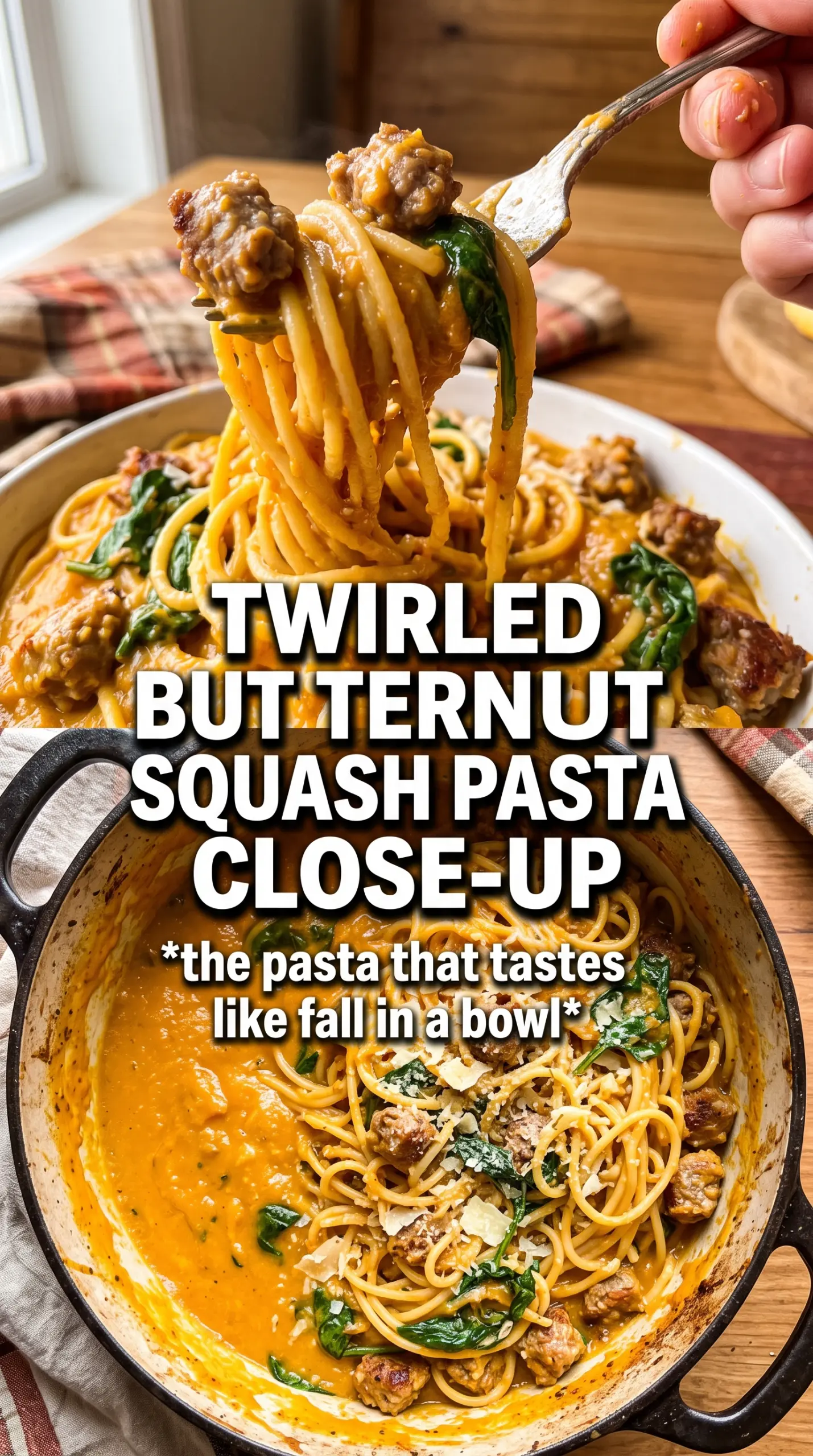
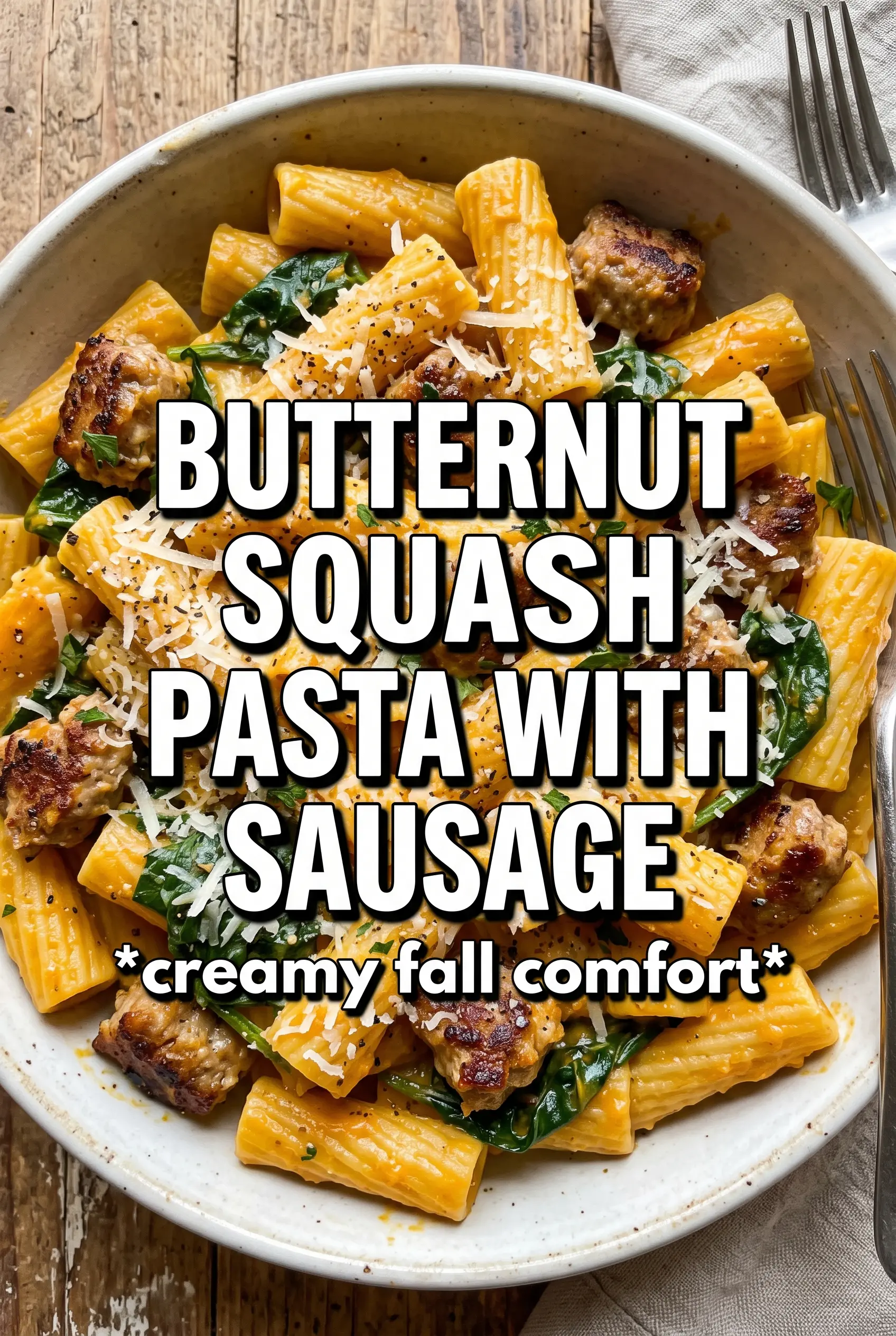
The sauce coated every piece of pasta without getting gluey, and the spinach stayed bright instead of disappearing. I also liked that the sausage browned first, because it kept the whole dish from tasting flat.
Creamy butternut squash pasta with sausage and spinach is a keeper for nights when you want a rich sauce that still feels balanced.
The Part That Keeps the Sauce Creamy Instead of Grainy
The sauce here depends on patience more than technique. Butternut squash puree, cream, and parmesan can turn luxurious, but only if the pan stays at a gentle simmer when the cheese goes in. High heat tightens dairy fast, and that’s when you get a sauce that looks broken or feels sandy on the tongue.
The pasta water matters for the same reason. It loosens the sauce just enough to coat the rigatoni and helps the parmesan emulsify instead of clumping at the bottom of the skillet. If the sauce seems too thick before you add the pasta, it’s probably right where you want it; the noodles will drink up more than you expect.
What Each Ingredient Is Actually Doing in This Recipe
- Primary ingredient (the star) — Quality matters most. Choose the best you can find.
- Cooking medium (oil, butter, or broth) — This carries flavors and prevents dryness.
- Seasonings (salt, pepper, spices, herbs) — Layer flavors so nothing overpowers. Build depth gradually.
- Aromatics (garlic, onion, herbs) — Cook with fat to bloom flavors. Become the foundation.
- Supporting ingredients — Complement the main ingredient without overpowering it.
- Sauce or liquid (if applicable) — Brings flavors together. Balance richness with acid.
- Acid (lemon, vinegar, wine, or other) — Brightens and prevents flat-tasting results.
- Final finish (garnish, glaze, or sauce) — Prevents one-dimensional taste and adds visual appeal.
What Each Ingredient Is Actually Doing In This Dish
- Italian sausage — This is the savory anchor. Brown it well enough to get dark edges, because that browned flavor carries through the whole pan. Mild or hot both work; hot sausage gives the finished dish more heat without needing extra red pepper flakes.
- Butternut squash puree — This gives the sauce body and sweetness without needing a flour roux. Homemade puree works, but canned puree is fine if it’s plain squash and not pre-seasoned pie filling. If your puree is watery, simmer it a minute or two longer before adding the cheese.
- Heavy cream — Cream makes the sauce plush and keeps the squash from tasting one-note. Half-and-half will work in a pinch, but the sauce will be thinner and a little less stable. Don’t boil it hard.
- Parmesan — Freshly grated parmesan melts smoother than the bagged kind, which often has anti-caking agents. If you use pre-grated, stir a little more patiently and expect a slightly less silky finish.
- Rigatoni or penne — You want a shape with ridges or tubes that catch the sauce and sausage. Long pasta won’t hold onto this sauce the same way. Cook it just to al dente, because it finishes in the skillet.
- Spinach — Add it at the very end so it wilts in the hot sauce instead of dissolving into a dull green tangle. Baby spinach is easiest because the stems are tender and it disappears into the pasta cleanly.
Building the Pan Sauce Without Overcooking the Pasta
Brown the Sausage First
Cook the sausage in a large skillet until it’s deeply browned and no longer pink, breaking it into crumbles as it cooks. You want actual color, not just gray bits, because that browning gives the sauce its savory edge. Drain off the excess fat if there’s a lot, but leave a thin coating behind in the pan for the onion.
Soften the Onion in the Sausage Drippings
Add the diced onion to the same skillet and cook until it turns translucent and starts to pick up a little color at the edges, about 4 minutes. Stir in the garlic and Italian seasoning and cook just until fragrant. If the garlic goes in too early or the heat is too high, it can turn bitter before the sauce even starts.
Let the Squash and Cream Meld
Stir in the butternut squash puree and cream, then add the nutmeg and red pepper flakes. Bring it to a gentle simmer and let it bubble for about 5 minutes so the flavors smooth out and the sauce thickens slightly. If it looks too thick, loosen it with a splash of pasta water; if it looks thin, give it another minute or two before the parmesan goes in.
Finish With Cheese, Pasta, and Spinach
Stir in the parmesan off the hottest part of the burner if the skillet is running hot. Add the drained pasta and reserved pasta water, then toss until every tube is coated and glossy. Fold in the spinach and return the sausage to the pan last; once the greens are wilted and the sausage is hot, season with salt and pepper and serve right away.
Three Practical Ways to Adjust This Pasta
Make it gluten-free without changing the sauce
Use a sturdy gluten-free pasta shape like rigatoni-style corn or rice pasta. Cook it just short of al dente and move it straight into the sauce, because gluten-free noodles soften faster and can go mushy if they sit too long.
Make it dairy-free with a little more body work
Swap the cream for unsweetened oat cream or full-fat coconut milk, and replace the parmesan with a dairy-free parmesan-style cheese or a spoonful of nutritional yeast. The sauce won’t be quite as sharp or silky, but it will still cling well if you keep the simmer gentle.
Use what you have instead of squash puree
Roasted sweet potato puree works in the same way and gives a slightly sweeter, denser sauce. Pumpkin puree also works, but it tastes a little earthier, so add an extra pinch of nutmeg if you want the same warmth.
Stretch it for a bigger pan
You can add another handful of spinach or an extra half-pound of pasta if you’re feeding more people, but add a splash more pasta water and a little extra parmesan so the sauce still coats instead of thinning out.
Storage and Reheating
- Refrigerator: Store leftovers in an airtight container for up to 4 days. The sauce will thicken as it chills.
- Freezer: It freezes, but the cream sauce can loosen a little after thawing. Freeze in portions for up to 2 months and expect a slightly softer texture.
- Reheating: Warm it gently on the stove with a splash of water or milk, stirring often. The common mistake is blasting it in the microwave or over high heat, which can separate the sauce and make the pasta dry out.
Questions I Get Asked About This Recipe
Creamy Butternut Squash Pasta With Sausage And Spinach
Ingredients
Equipment
Method
- Bring a large pot of salted water to a boil, then cook rigatoni or penne until al dente; reserve 1/2 cup pasta cooking water before draining.
- In a large skillet over medium-high heat, brown the Italian sausage until cooked through and crumbled; drain excess fat and set sausage aside.
- In the same skillet, sauté diced onion for 4 minutes until softened, then add minced garlic and Italian seasoning and cook 2 minutes.
- Add butternut squash puree and heavy cream, then stir in nutmeg and red pepper flakes until evenly combined.
- Simmer the sauce for 5 minutes, then stir in grated parmesan until smooth and glossy.
- Add the drained pasta and the reserved 1/2 cup pasta cooking water to the skillet, tossing until the sauce coats the pasta.
- Add baby spinach and toss until wilted, then return the sausage to the pan and season with salt and pepper to taste.