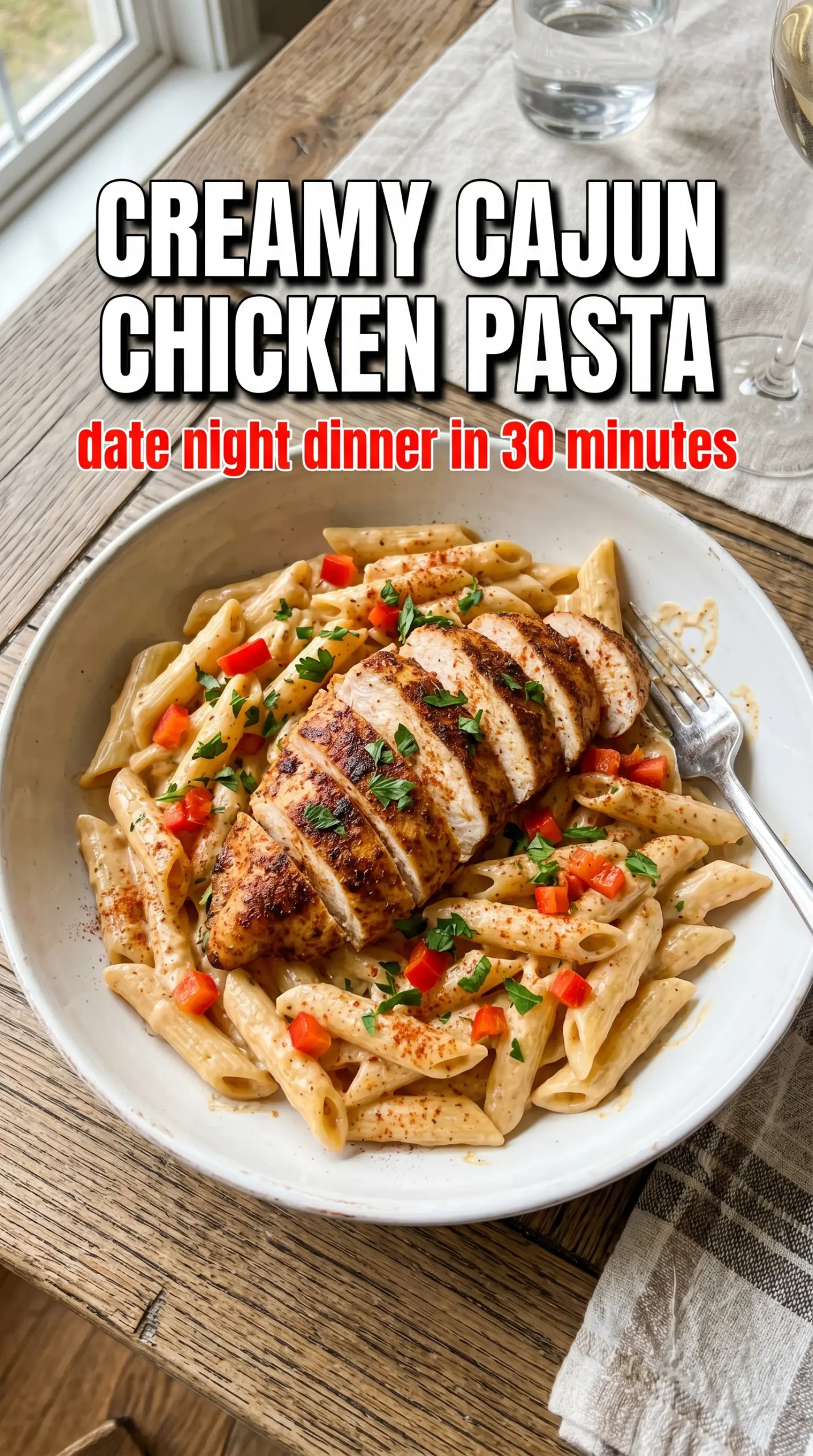
Penne coated in a rusty-red Cajun cream sauce has a way of disappearing fast, especially when the chicken is properly blackened and the peppers still keep a little bite. This version earns its keep because the sauce clings instead of pooling, and every forkful gets a mix of heat, creaminess, and that smoky edge from the seared chicken. It tastes like a restaurant pasta, but it cooks like something you can pull together on a weeknight without a lot of cleanup.
The trick is giving each part its own job. The chicken gets seasoned before it hits a hot skillet so the surface browns hard and fast, while the peppers cook in the same pan afterward and pick up all the browned bits left behind. That pan drippings are where the sauce gets its depth, so don’t rinse them away. The cream only needs a gentle simmer before the parmesan goes in; high heat is how you turn a smooth sauce grainy.
Below, I’ll walk through the part that matters most: how to keep the sauce rich without letting it break, what to swap if you need a lighter version, and the one reheating trick that keeps the pasta from turning into a dry brick the next day.
The sauce clung to every piece of penne and the chicken stayed juicy even after tossing it back in. I used the full amount of Cajun seasoning and the peppers balanced the heat perfectly. My husband went back for seconds before I even sat down.
Save this creamy Cajun chicken pasta for the nights when you want a bold, one-skillet dinner with a sauce that actually coats the pasta.
The Secret to Cajun Pasta That Stays Creamy Instead of Turning Heavy
The biggest mistake with Cajun cream pasta is treating it like a dump-and-stir dish. If the chicken isn’t browned hard enough, the sauce loses depth. If the cream boils hard, it can taste flat and turn greasy. And if the pasta goes in too dry, the sauce won’t have enough looseness to wrap around every noodle.
This recipe avoids that by building in layers. First comes the seasoned chicken, then the peppers, then the garlic and broth, and only after that do the cream and parmesan go in. That order matters because each step adds something the next one can build on. The reserved pasta water is your insurance policy at the end — a splash can turn a sauce that looks tight into one that coats like it should.
- Cajun seasoning — This is doing most of the flavor work, so use one you actually like on its own. Some blends are saltier than others, which is why the recipe holds the salt until the end. If yours is very spicy, cut the amount back slightly and add more after tasting the finished sauce.
- Chicken breast — Sliced into strips, it cooks fast and gets more surface browning than whole pieces would. Thighs also work if you want a juicier bite and don’t mind a little extra richness. Keep the strips close to the same size so they cook in the same amount of time.
- Heavy cream — This is what gives the sauce its body and silky texture. Half-and-half will work in a pinch, but the sauce will be thinner and less stable. If you swap it, keep the heat low and don’t let the sauce simmer too hard.
- Parmesan — Freshly grated parmesan melts more smoothly than the bagged stuff and gives the sauce a cleaner finish. Pre-grated cheese can be used, but it often makes the sauce a little less smooth because of the anti-caking agents. Stir it in off the boil so it melts without getting stringy.
- Pasta water — This isn’t just extra water. The starch helps the sauce cling to the penne instead of sliding off. Add it a tablespoon at a time until the sauce looks glossy and loose enough to move.
What Each Ingredient Is Actually Doing in This Pasta Dish
- Pasta (cooked to al dente) — Reserve cooking water for sauce. Thick, starchy water is essential.
- Sauce or oil (the vehicle) — This carries flavors and coats pasta. Quality ingredients shine.
- Aromatics (garlic, onion, herbs) — Cook with oil first to bloom. They become the foundation.
- Protein (if using) — Cook until done but not overdone. Integrate with sauce smoothly.
- Vegetables (if using) — Cut uniformly so they cook evenly. Add by cooking time.
- Cheese (if using, like feta or parmesan) — Add off heat so it melts smoothly. Prevents clumping.
- Acid (vinegar, wine, or lemon) — This prevents heavy sauce and balances richness.
- Final emulsification (toss gently with starchy water) — This creates silky sauce that clings to pasta.
Building the Pan Sauce in the Right Order
Get the Chicken Blackened First
Season the chicken with part of the Cajun seasoning before it hits the skillet. The pan needs to be hot enough that the chicken sizzles the second it lands, or it will steam and turn pale instead of building that dark crust. Cook the strips in a single layer and leave them alone long enough to sear before stirring. Pull them out as soon as they’re cooked through; they’ll finish when they go back into the sauce.
Use the Same Skillet for the Vegetables
The peppers go into the same pan after the chicken comes out, and that’s where the flavor starts stacking up. As they soften, they’ll pick up the browned seasoning left behind in the pan. Add the garlic only near the end so it doesn’t burn in the hot fat. If the garlic turns dark before the broth goes in, the whole sauce will taste bitter.
Let the Cream Simmer, Not Boil
Once the broth and cream are in, lower the heat and give the sauce a few minutes to thicken gently. You’re looking for small bubbles around the edges and a slightly nappe texture — it should coat a spoon instead of running off like milk. Parmesan goes in after that, off the hardest heat, so it melts smoothly. If the sauce looks too thick, loosen it with a splash of pasta water before adding the pasta.
Toss Everything Until the Sauce Grabs
Add the cooked penne and chicken back into the skillet and toss until every piece looks coated and the sauce has moved into the ridges of the pasta. This is the point where pasta water earns its keep. A couple tablespoons can turn a clumpy skillet into a glossy one. Finish with parsley after the heat is off so it stays bright instead of fading into the sauce.
How to Adapt This Creamy Cajun Chicken Pasta Without Losing the Point
Make It Dairy-Free
Use a full-fat unsweetened coconut cream or a dairy-free cooking cream and swap the parmesan for a dairy-free grated alternative. The sauce won’t taste identical — you’ll lose a little of that sharp parmesan finish — but it still turns out rich and spoon-coating. Keep the heat gentle, since many dairy-free creams separate faster than heavy cream.
Use Shrimp Instead of Chicken
Shrimp works well here if you want a faster cook time and a lighter finish. Season it the same way, sear it just until opaque, and remove it before you start the sauce. Add it back at the very end so it doesn’t overcook and turn rubbery.
Make It a Little Lighter
You can replace half the cream with evaporated milk for a lighter sauce that still feels substantial. It won’t be quite as lush, but it holds up better than regular milk. Keep the simmer low and don’t rush the thickening, or the sauce will stay thin.
Storage and Reheating
- Refrigerator: Store leftovers in an airtight container for up to 3 days. The sauce will thicken as it chills.
- Freezer: This pasta doesn’t freeze well because the cream sauce can separate and the pasta softens too much.
- Reheating: Warm it gently in a skillet over low heat with a splash of broth or cream. Microwave reheating tends to overcook the chicken and dry out the sauce, so use short bursts only if you’re in a rush.
Questions I Get Asked About This Dish
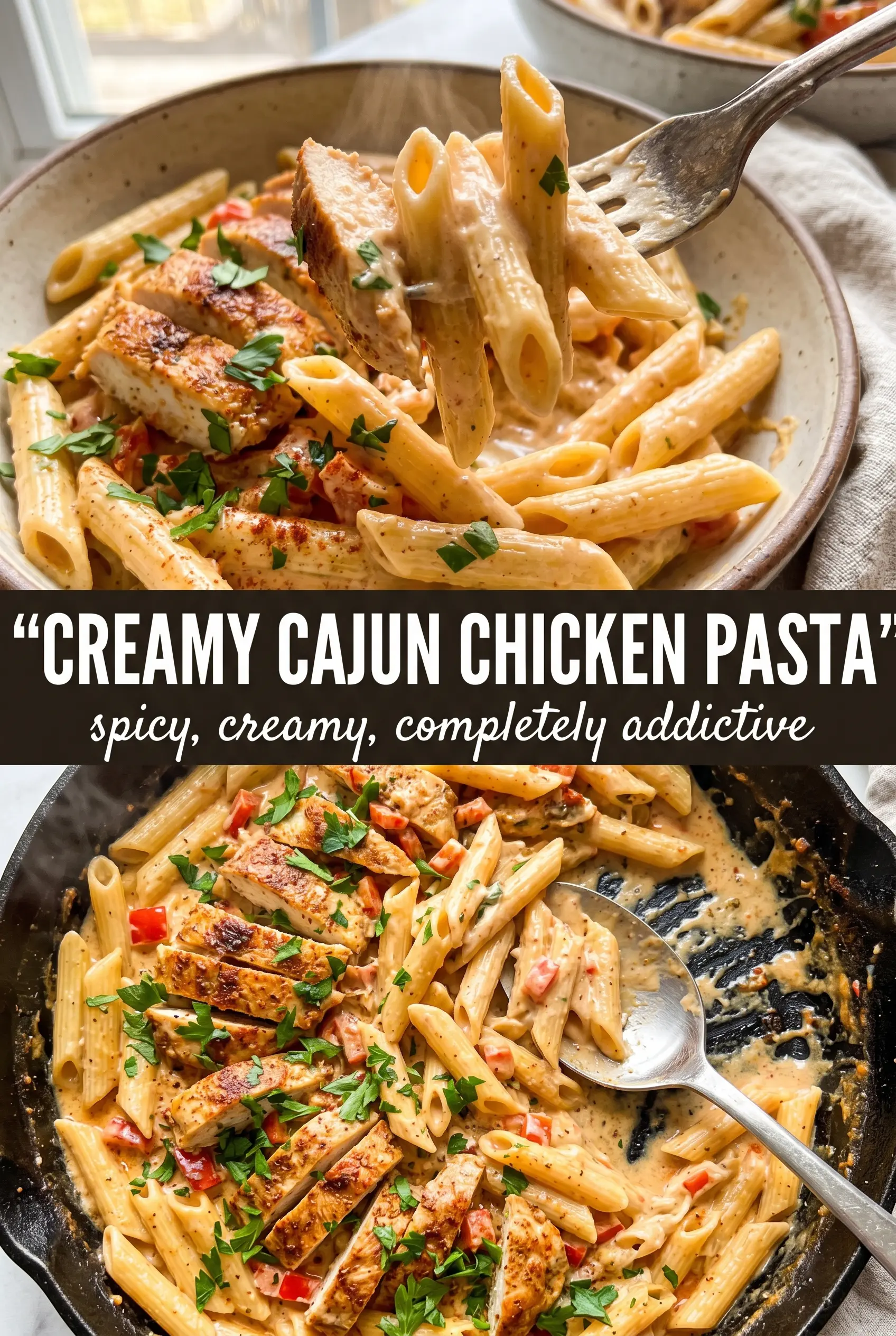
Creamy Cajun Chicken Pasta
Ingredients
Equipment
Method
- Bring a large pot of salted water to a boil and cook penne until al dente, 8–10 minutes. Reserve 1/2 cup pasta water, then drain the pasta and set aside.
- Toss the chicken strips with 1 tablespoon Cajun seasoning. Heat olive oil in a large skillet over high heat and sear the chicken for 4–5 minutes until deeply blackened and cooked through, then set aside.
- Melt butter in the same skillet over medium-high heat, then sauté red and yellow bell peppers for 3–4 minutes until slightly charred and softened. Add garlic and the remaining Cajun seasoning and cook for 1 minute, stirring so it smells fragrant.
- Pour in chicken broth and heavy cream and bring to a simmer for 4–5 minutes, stirring until slightly thickened and glossy. Stir in parmesan until fully melted.
- Add penne and sliced chicken back to the skillet and toss until every piece is coated, adding reserved pasta water as needed to loosen the sauce. Turn off the heat and serve topped with fresh parsley.