Old-fashioned potato salad earns its place on the table because it knows exactly what it’s supposed to be: creamy, cool, and full of the little crunchy and tangy bits that keep each bite interesting. The potatoes should hold enough shape to catch the dressing, the eggs should add richness without turning the bowl heavy, and the relish should cut through all that mayonnaise with a sweet sharp note. When it’s done right, it tastes like the version people go back for first.
The details matter here. Russet potatoes break down more than waxy potatoes, which gives the salad a softer, more traditional texture, but they still need to be cooked just until tender so they don’t turn gluey when you fold everything together. The dressing is built with mayonnaise, mustard, and a little vinegar, which keeps it creamy without tasting flat, and the chilling time lets the potatoes absorb the seasoning instead of tasting like separate ingredients piled in a bowl.
Below, I’ll walk through the part that trips people up most: how to mix potato salad so it stays creamy instead of mashed. I’ve also included a few smart swaps and the best make-ahead timing, because this is one of those dishes that gets better when you plan for it.
The potatoes held their shape, and the dressing got even better after chilling overnight. I loved the little bite from the celery and relish, and it wasn’t watery at all the next day.
Pin this creamy Old-Fashioned Potato Salad for picnics, potlucks, and the kind of barbecue side dish people scoop up first.
The Trick to Keeping Potato Salad Creamy Instead of Gummy
Potato salad goes wrong when the potatoes are either undercooked in the center or stirred too hard after they’ve softened. Russets are the right choice for this classic style because they’re fluffy and absorb dressing well, but that also means they can fall apart fast if you handle them like waxy potatoes. Drain them well, let the steam escape, and fold the dressing in while they’re cool, not hot. Hot potatoes soak up dressing faster, but they can also collapse and make the bowl pasty.
The other thing that matters is balance. Mayonnaise gives the body, mustard adds sharpness, and vinegar keeps the salad from tasting heavy. If your potato salad has ever tasted flat, it usually needed more salt than you thought and a little acid to wake it up. The chilling time finishes the job by letting the potatoes absorb seasoning all the way through.
What Each Ingredient Is Doing in the Bowl
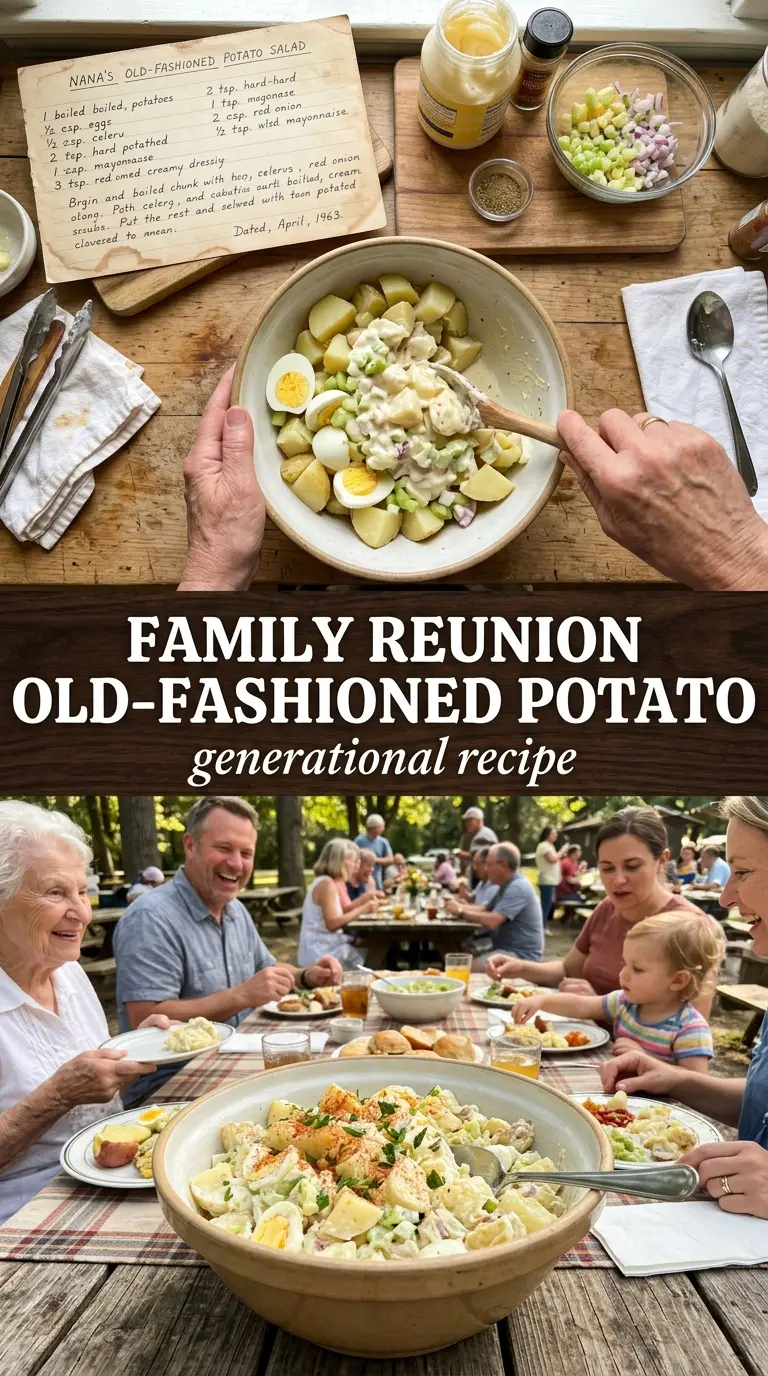
- Russet potatoes — These give you the classic soft, creamy texture that holds onto dressing instead of staying too firm. Waxy potatoes stay neat, but they don’t break down enough for this old-school version.
- Mayonnaise — This is the base of the dressing and where the richness comes from. Use a good full-fat mayo here; the cheaper stuff can work, but it usually tastes thinner and less rounded.
- Yellow mustard and apple cider vinegar — These keep the salad from feeling heavy. The mustard adds that familiar picnic-style tang, and the vinegar sharpens everything without making the dressing runny.
- Sweet pickle relish — This is what gives the salad its signature sweet-sour note and tiny bursts of texture. Drain it lightly if it’s very wet, or the dressing can loosen more than you want.
- Hard-boiled eggs — They make the salad taste richer and more substantial. Chop them fairly small so you get bits of yolk in each spoonful instead of large chunks that overpower the potatoes.
- Celery and onion — These add crunch and bite, which keeps the salad from turning one-note. Dice them fine so they blend into the mix instead of stealing the spotlight.
How to Build the Salad Without Breaking the Potatoes
Cooking the Potatoes to the Right Point
Boil the potato cubes until they’re tender when pierced with a fork but not falling apart in the water. If they’re underdone, the salad tastes starchy and dry; if they’re overdone, they’ll shred as soon as you stir in the dressing. Drain them well and let them sit just long enough for the surface steam to fade. That little pause keeps the dressing from sliding off and helps the texture stay creamy instead of soupy.
Mixing the Dressing First
Stir the mayonnaise, mustard, vinegar, sugar, salt, and pepper together before it ever touches the potatoes. That gives you a uniform dressing, so you don’t end up with pockets of sharp mustard or bland mayo. If the dressing tastes a little too tangy at this stage, don’t panic — the potatoes will mellow it after chilling. What you want is a dressing that tastes a touch bold on its own.
Folding Everything Together Gently
Add the cooled potatoes, eggs, celery, onion, and relish to the bowl, then fold instead of stirring hard. A few broken edges are fine and even helpful, but aggressive mixing turns the whole bowl into mash. Once everything is coated, cover it and chill it for at least 2 hours. The salad needs that time for the seasoning to settle and for the dressing to cling properly.
Finishing Before Serving
Give the salad a quick taste after chilling and adjust the salt and pepper if needed. Cold food dulls seasoning, so what tasted fine before chilling may need one last pinch now. Spoon it into a serving bowl and dust the top with paprika for that classic finish. The paprika doesn’t change the flavor much, but it gives the bowl the right old-fashioned look.
How to Adjust It for Different Tables and Different Diets
Dairy-Free Without Changing the Texture
This recipe is already dairy-free as written, which makes it easy to bring to mixed gatherings. The only thing to watch is the mayonnaise, since some specialty brands taste sweeter or thinner than standard mayo. Stick with a full-bodied mayonnaise and the salad keeps its classic creamy finish.
Swap In Yukon Gold Potatoes for a Firmer Bite
If you want the potatoes to hold their shape a little more, use Yukon Golds instead of russets. The salad will be less fluffy and more structured, which some people prefer for potlucks and buffets. Cut the cubes evenly and cook them just until tender, because Yukon Golds can go from perfect to crumbly fast.
Make It Brighter and More Tangy
For a sharper salad, replace half of the sweet relish with finely chopped dill pickles or add an extra teaspoon of vinegar. That cuts some of the sweetness and gives the dressing a cleaner bite. This version tastes especially good with grilled meat, where the tang helps balance richer main dishes.
Storage and Reheating
- Refrigerator: Store covered for up to 4 days. The salad often tastes better on day two, though the potatoes may absorb some of the dressing and look a little drier on the surface.
- Freezer: Don’t freeze this one. Mayonnaise separates and the potatoes turn grainy after thawing, so the texture won’t recover.
- Reheating: Serve it cold straight from the fridge. If it sits out for a while and seems a little stiff, stir in a spoonful of mayo or a splash of vinegar rather than warming it up.
Answers to the Questions Worth Asking
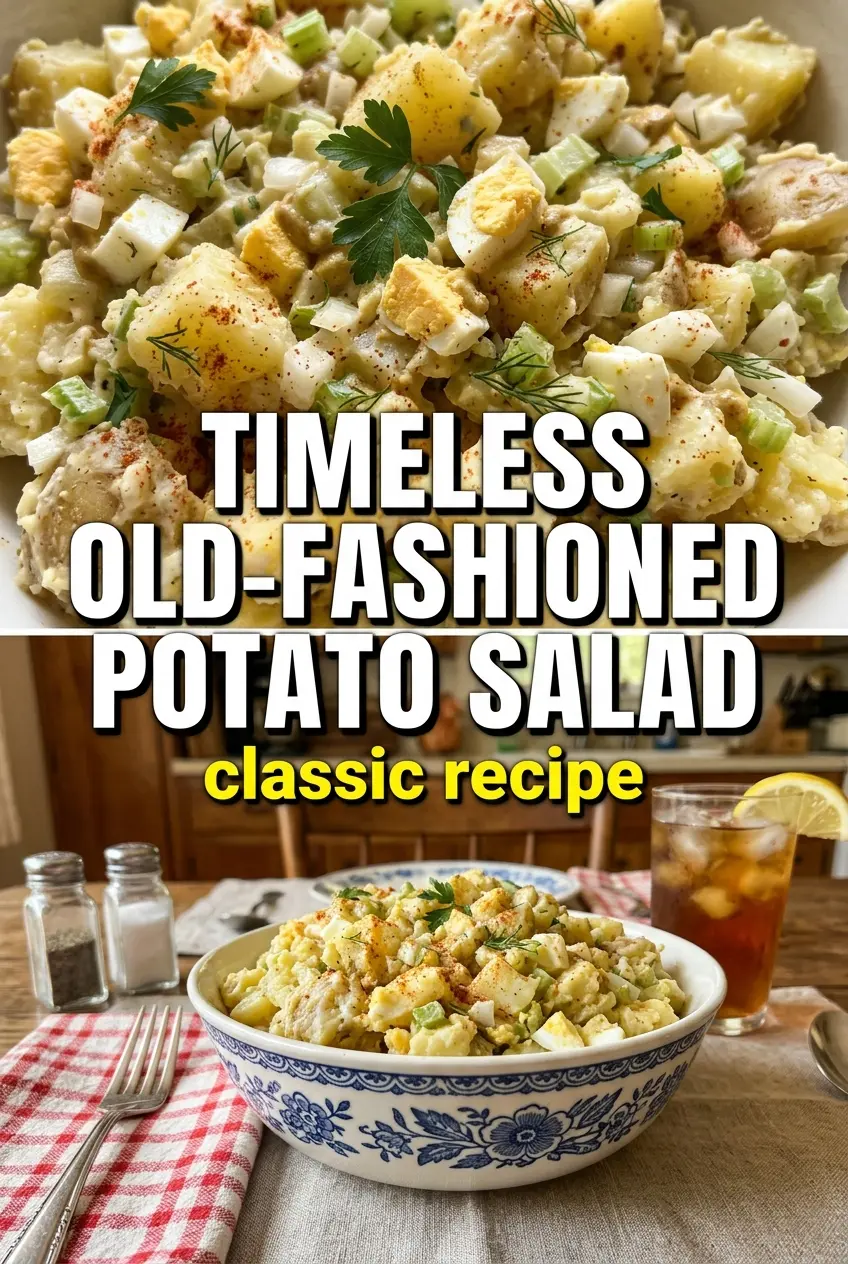
Old-Fashioned Potato Salad
Ingredients
Equipment
Method
- Bring a pot of water to a boil in a Dutch oven, then add the russet potato cubes and cook until tender, about 15 minutes. Drain and let the potatoes cool completely so the salad stays creamy, not watery.
- In a large bowl, combine the cooled potatoes with hard-boiled eggs, celery, onion, and sweet pickle relish. Stir until evenly distributed.
- Mix mayonnaise, yellow mustard, apple cider vinegar, sugar, salt, and pepper in a bowl until smooth. Taste and adjust seasoning if needed.
- Pour the dressing over the potato mixture and fold gently to coat. Stop folding once everything looks glossy and combined to avoid breaking up the potatoes.
- Cover and refrigerate the potato salad for at least 2 hours. This chilling step helps the flavors meld and thickens the creamy dressing slightly.
- Before serving, sprinkle paprika over the top for garnish. Serve cold and keep leftovers refrigerated.