Silky noodles, a glossy garlic cream sauce, and parmesan melted right into the pot make this the kind of dinner that disappears fast. The sauce clings to every strand without turning heavy, and the garlic stays mellow and fragrant instead of sharp or bitter. It tastes like something that took more effort than it did, which is exactly why it earns a repeat spot.
The trick here is keeping the heat gentle once the cream goes in. Garlic needs just enough time to bloom in the butter, and the pasta needs frequent stirring so it releases starch evenly while the liquid reduces. That combination gives you a sauce that feels rich and cohesive instead of thin, greasy, or broken.
Below, I’ll walk you through the little details that matter most: when the garlic is ready, how much the sauce should reduce, and how to fix the texture if it tightens up before serving. There’s also a few useful variations if you want to swap the pasta or make it a little lighter.
The sauce turned out silky and coated the pasta perfectly, and the garlic stayed mellow instead of bitter. I used the full 12 minutes and it was spot on.
Save this one pot creamy garlic pasta for the nights when you want a glossy parmesan sauce and barely any cleanup.
The reason the sauce stays silky instead of turning gluey
One pot pasta can go wrong when the starch cooks out faster than the liquid reduces. Then you end up with a sauce that looks creamy for a minute and tightens into something pasty as soon as it hits the bowl. The fix is to keep the simmer gentle and stir often enough to move the pasta around, but not so hard that you splash off all the liquid before the noodles are done.
Parmesan changes the texture here in a big way. It should go in after the pasta is tender and the heat is lower, because high heat can make it seize or turn grainy. If the sauce looks a little loose right before the cheese goes in, that’s a good sign. The parmesan thickens it as it melts, and it keeps thickening for a minute or two off the heat.
- The pasta cooks in the sauce, which means the starch stays in the pot and helps thicken everything naturally.
- Heavy cream gives you body and stability; half-and-half works in a pinch, but the sauce will be thinner and needs a more careful simmer.
- Freshly grated parmesan melts cleaner than the pre-shredded stuff, which often has anti-caking agents that leave the sauce a little gritty.
- Broth adds enough salt and depth that the sauce tastes finished, not flat, even before the cheese goes in.
What each ingredient is doing in this pasta
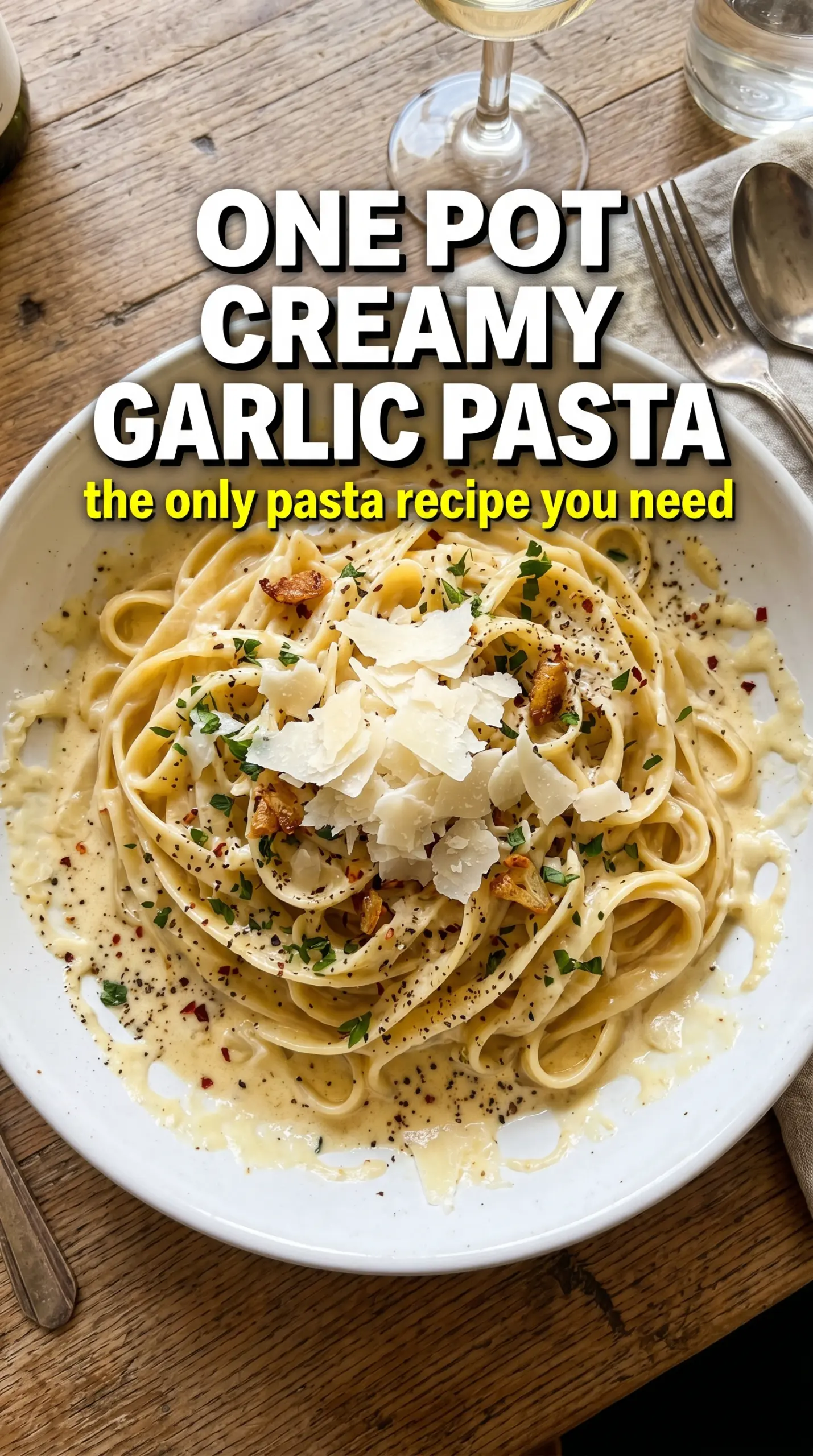
The garlic is the backbone of the dish, but it needs a soft hand. You want it fragrant and just barely golden in the butter, not browned. Once garlic goes deep brown, it turns harsh and the sauce will taste bitter no matter how much parmesan you add.
Butter gives the garlic something to bloom in and rounds out the finished sauce. Olive oil can work if that’s what you have, but butter gives a fuller, more classic creamy-pasta flavor. The broth matters more than people expect, because it seasons the noodles from the inside as they cook. Use vegetable broth if you want to keep it meat-free; chicken broth gives a slightly richer finish.
Parmesan should be grated fine so it disappears into the cream instead of sitting in shreds. If your cheese is clumpy or dry, it won’t melt as smoothly. Fresh basil at the end is not just garnish here. It cuts through the richness and keeps the pasta tasting bright.
Building the sauce in the same pot without breaking it
Bloom the garlic in butter
Melt the butter over medium heat, then add the minced garlic and stir for 1 to 2 minutes. You’re looking for a strong garlic smell and pale golden edges, not color all the way through. If the heat is too high, garlic goes from fragrant to bitter fast, and there’s no fixing that once it happens.
Cook the pasta in the liquid
Pour in the broth and cream, bring it to a gentle boil, then add the uncooked pasta. Stir often so the strands don’t stick together or weld to the bottom of the pot. The liquid should bubble lazily, not boil hard. If it’s roaring, the outside of the pasta cooks too fast and the sauce reduces before the center is done.
Finish with parmesan off the hottest heat
When the pasta is al dente and the sauce has reduced enough to lightly coat a spoon, turn the heat low and stir in the parmesan and Italian seasoning. The sauce should turn glossy and slightly thicker within a minute. If it looks loose at first, give it another minute off the heat; if it looks too thick, splash in a little broth and stir until it loosens back up.
Serve before the sauce tightens
Season with salt and cracked black pepper, then get it into bowls right away. Cream sauces thicken as they sit, and this one is no exception. Fresh basil and extra parmesan on top keep the finish bright and give you that last hit of salt and freshness right at the table.
How to adapt this for a lighter bowl, a gluten-free pasta, or extra richness
Gluten-free pasta
Use a sturdy gluten-free spaghetti or linguine and keep an eye on the texture a few minutes early. Gluten-free pasta can go from firm to soft faster than wheat pasta, so start checking before the package time is up. The sauce still works, but you may need an extra splash of broth near the end because some gluten-free noodles absorb liquid differently.
Dairy-free version
Swap the butter for olive oil or a plant-based butter, use unsweetened oat cream or a similar cooking cream, and replace the parmesan with a dairy-free hard cheese alternative. The sauce won’t be quite as sharp or glossy, but it still turns out creamy if you keep the heat low and don’t rush the reduction.
Extra-rich restaurant style
Add an extra 1/4 cup parmesan and finish with a small knob of butter after the cheese melts. That gives the sauce a shinier, more luxurious finish and a little more cling. It’s the version to make when you want the bowl to taste indulgent without adding more work.
Storage and Reheating
- Refrigerator: Store leftovers in an airtight container for up to 3 days. The sauce will thicken in the fridge and the pasta will absorb more of it.
- Freezer: This pasta is best eaten fresh. Cream sauces and cooked noodles both suffer in the freezer, and the sauce can separate when reheated.
- Reheating: Warm it gently in a skillet over low heat with a splash of broth or cream, stirring until the sauce loosens. Microwaving at full power is the fastest way to end up with dry pasta and an oily sauce.
Answers to the questions worth asking
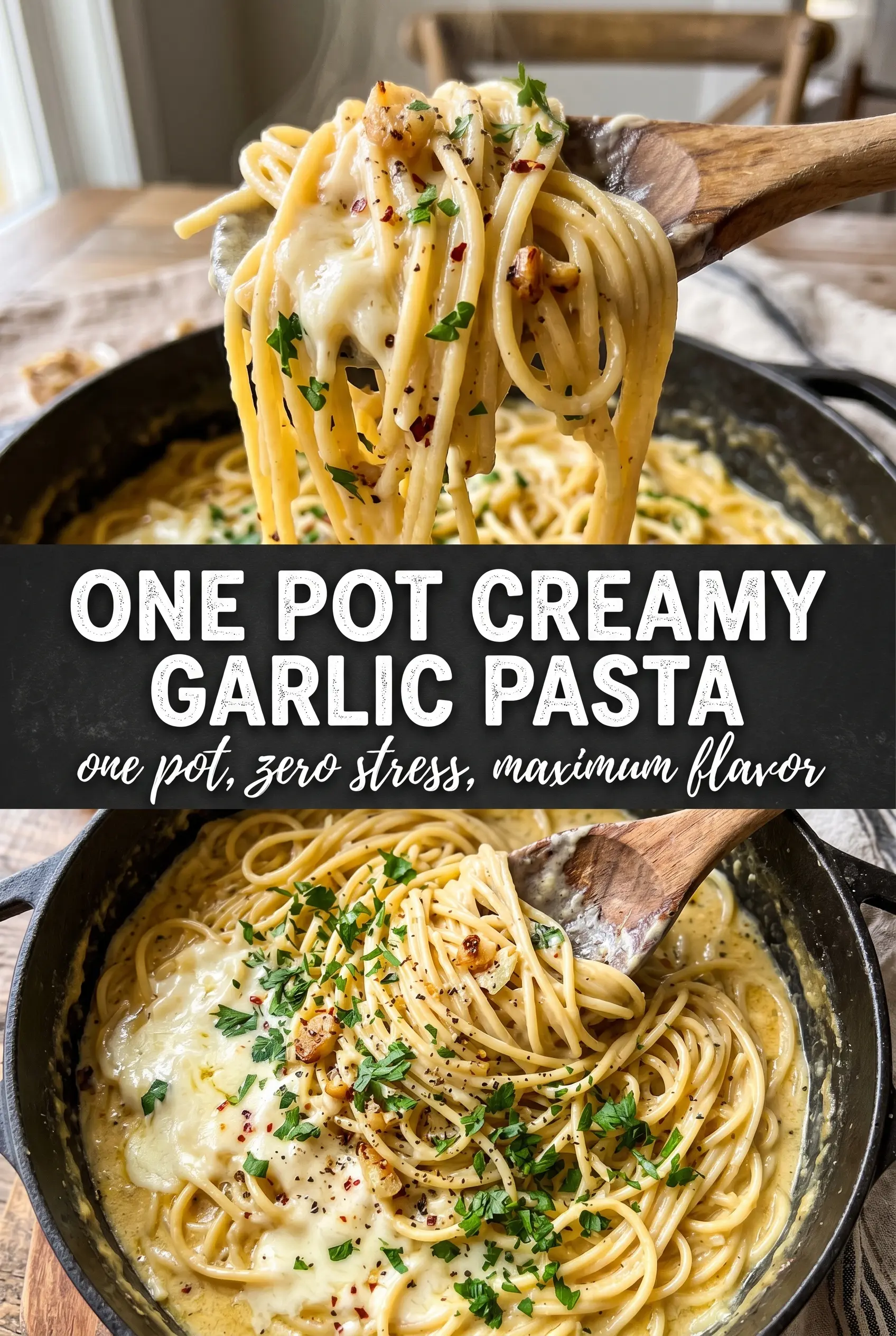
One Pot Creamy Garlic Pasta
Ingredients
Equipment
Method
- Melt butter in a large pot over medium heat, then add minced garlic and sauté for 1–2 minutes until fragrant and just golden.
- Add broth and heavy cream to the pot and bring to a gentle boil.
- Add uncooked linguine or spaghetti and cook, stirring frequently, for 10–12 minutes until the pasta is al dente and the liquid has reduced into a creamy sauce.
- Stir in grated parmesan and Italian seasoning until the cheese is fully melted and the sauce looks silky.
- Season generously with salt and cracked black pepper.
- Serve immediately, topped with fresh basil leaves and extra parmesan.