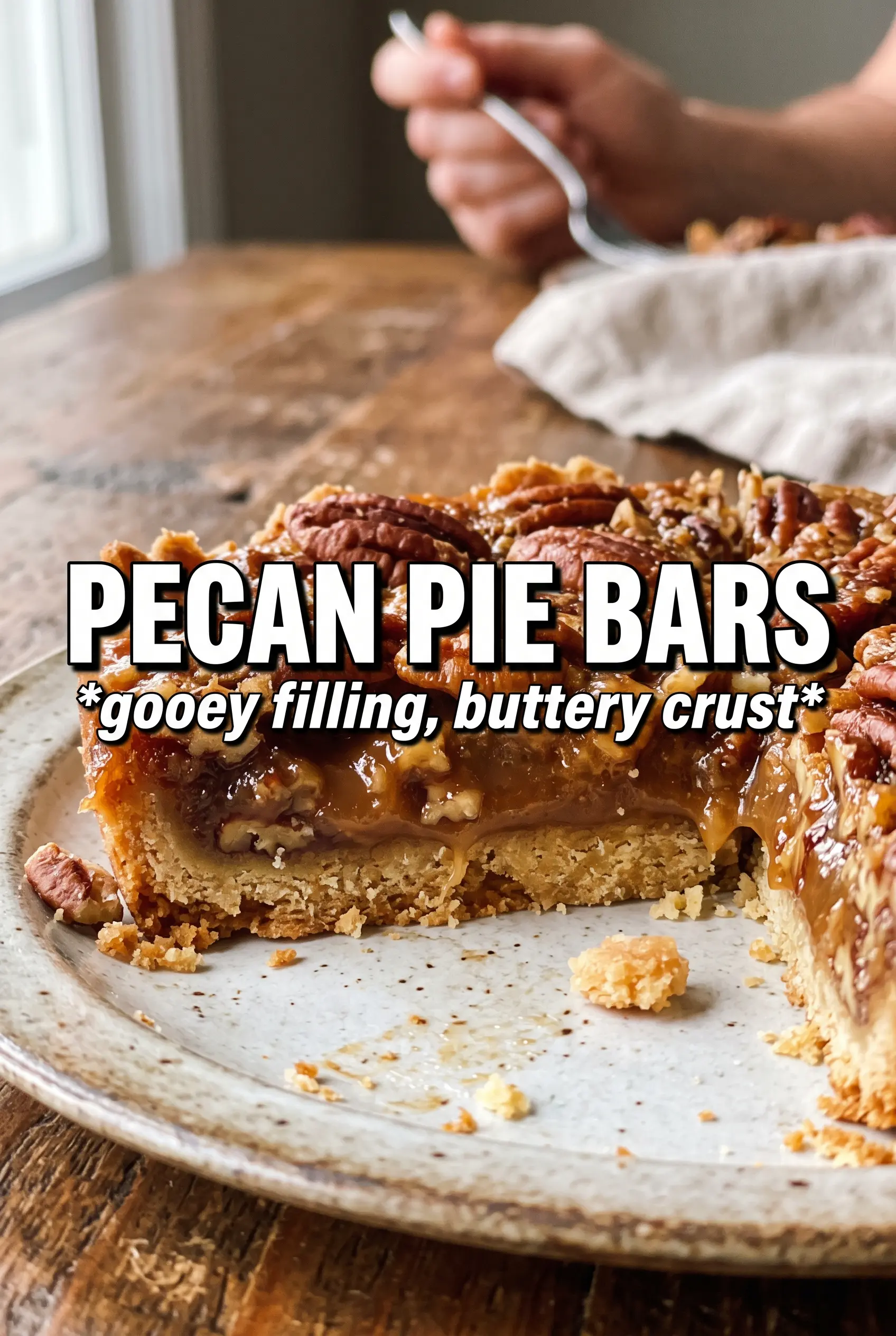
Pecan pie bars give you all the caramelized, nutty richness of classic pecan pie without the fussy crust or the nerve-wracking slice-and-serve moment. The shortbread base stays sturdy and buttery, the filling bakes into a glossy layer that sets up cleanly, and each square cuts with those neat edges people always hope for but don’t always get from pie.
The trick is balance. The shortbread needs to be baked first until it’s just pale golden so it can hold the filling without turning soggy. The topping needs a brief boil to thicken the butter, sugar, honey, and cream into a true caramel base before the pecans go in. That short boil is what gives these bars their chew and keeps the filling from sliding apart once they cool.
Below, I’m walking through the parts that matter most: how to keep the crust tender but firm, why the filling sets the way it does, and the small finishing step that makes the topping taste finished instead of just sweet.
The filling set up beautifully and the shortbread stayed crisp under the sticky pecans. I chilled the pan overnight and the bars sliced into perfect squares the next day.
Save these pecan pie bars for the dessert table when you want sticky caramel, crisp shortbread, and clean slices every time.
The Reason Pecan Bars Slice Cleanly Instead of Turning Gooey
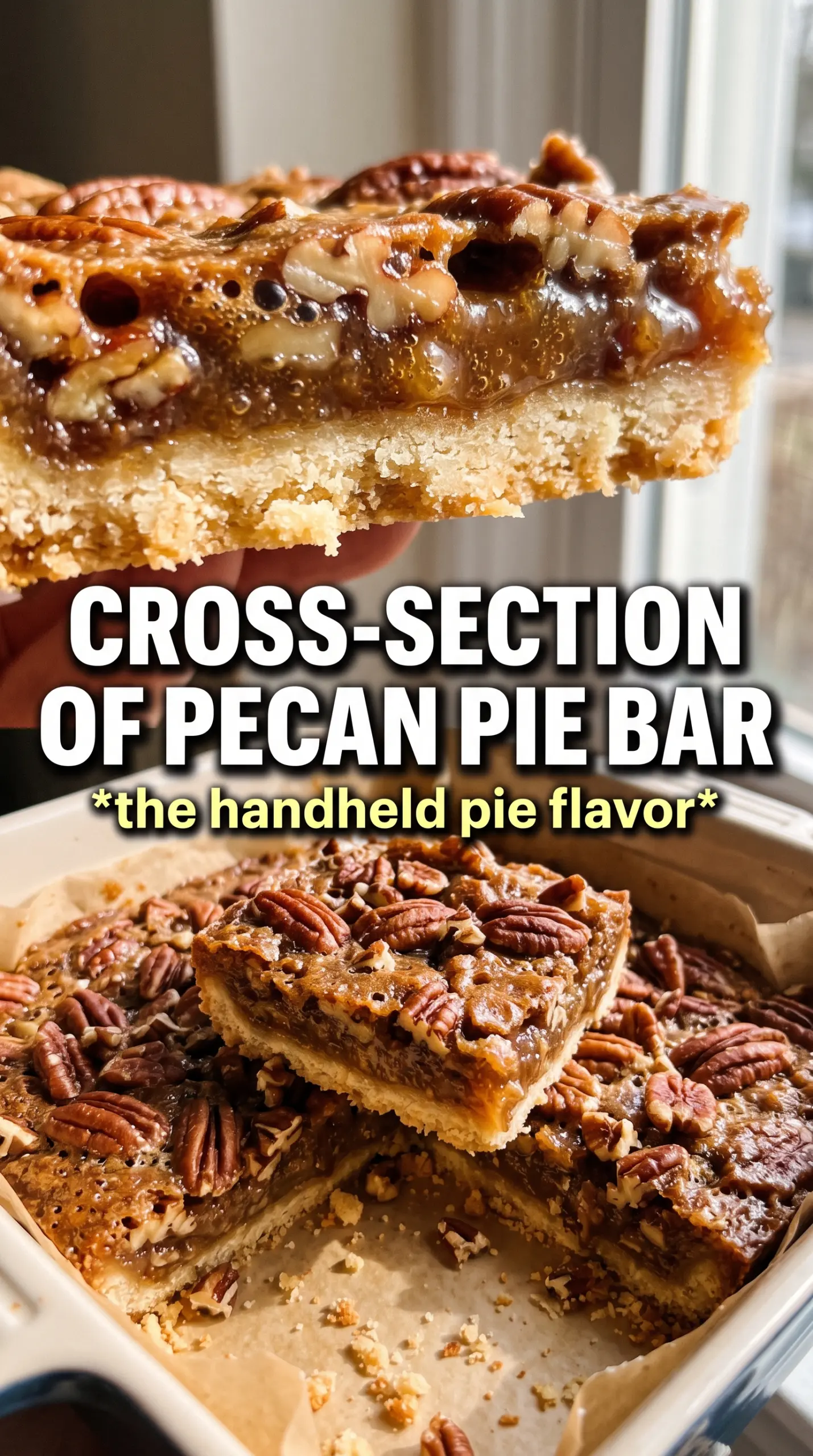
The difference between bars that hold together and bars that slump is the bake on both layers. The crust needs its first bake so the butter in the shortbread can set and create a barrier. If you pour in the filling too early, the bottom goes dense and damp instead of tender and crisp.
The filling also needs a real boil, not just a warm melt. Two minutes at a steady boil thickens the sugar mixture enough that it coats the pecans and bakes into a glossy layer. If you rush it, the bars may taste fine, but they won’t cut as neatly and the filling can weep after cooling.
- Shortbread base — Cornstarch is what gives the crust that sandy, melt-in-your-mouth texture. Flour alone makes it more bready. The powdered sugar helps the base stay tender and gives it a cleaner bite than granulated sugar would.
- Butter — Use the cold butter for the crust exactly as written. Cold butter keeps the dough from getting greasy and helps the base bake up crumbly in the best way. For the filling, melted butter gives you the rich caramel body you need.
- Honey — Honey keeps the filling glossy and helps it stay soft without becoming grainy. Maple syrup will work in a pinch, but the flavor shifts and the bars set a little differently. If you swap it, expect a deeper, less classic pecan pie taste.
- Whole pecans — Whole pecans give you the best texture and the prettiest top. Halves will work too, but smaller pieces can make the bars harder to cut cleanly because the topping becomes more dense.
What Each Ingredient Is Actually Doing in This Recipe
- Primary ingredient (the star) — Quality matters most. Choose the best you can find.
- Cooking medium (oil, butter, or broth) — This carries flavors and prevents dryness.
- Seasonings (salt, pepper, spices, herbs) — Layer flavors so nothing overpowers. Build depth gradually.
- Aromatics (garlic, onion, herbs) — Cook with fat to bloom flavors. Become the foundation.
- Supporting ingredients — Complement the main ingredient without overpowering it.
- Sauce or liquid (if applicable) — Brings flavors together. Balance richness with acid.
- Acid (lemon, vinegar, wine, or other) — Brightens and prevents flat-tasting results.
- Final finish (garnish, glaze, or sauce) — Prevents one-dimensional taste and adds visual appeal.
Building the Layers So the Bars Stay Buttery, Not Soggy
Pressing and Prebaking the Shortbread
Mix the flour, powdered sugar, cornstarch, and salt, then cut in the cold butter until the dough looks crumbly but starts to clump when pressed. Don’t wait for a smooth dough; that’s how you overwork the flour and lose the tender texture. Press it firmly and evenly into the lined pan, paying attention to the corners so the filling bakes evenly across the whole surface.
Bake until the crust is just pale golden around the edges. It should look set, not browned. If the base is too blond when the filling goes on, it can stay soft underneath and the bars won’t hold cleanly.
Cooking the Pecan Filling to the Right Thickness
Combine the butter, brown sugar, honey, and cream in a saucepan over medium heat and bring it to a boil. Once it’s boiling, cook it for two minutes while stirring often. You’re looking for a thicker, glossy mixture that bubbles steadily and smells like caramel instead of raw sugar.
Take it off the heat before adding the salt, vanilla, and pecans. If you keep the pan over the flame after the nuts go in, the mixture can tighten too much and become hard to spread. The vanilla goes in off the heat so it keeps its full aroma.
Baking Until the Center Is Set
Pour the pecan mixture over the hot crust and spread it all the way to the edges. Bake until the filling looks set around the perimeter and the center no longer sloshes when you move the pan. A slight jiggle is fine; a wet, wavy center means it needs more time.
When the bars come out, sprinkle the top with flaky salt right away so it sticks to the caramel surface. Then let the pan cool completely before slicing. If you cut them while warm, the filling will ooze and the edges won’t stay sharp.
How to Adapt These Bars Without Losing the Texture
Gluten-Free Shortbread That Still Holds
Use a good 1:1 gluten-free baking flour in place of the all-purpose flour. The cornstarch already helps with tenderness, so the texture stays close to the original as long as you press the crust firmly and bake it until set. Don’t use a single-ingredient nut flour here; it won’t give you the same clean, sliceable base.
Dairy-Free Version
Swap the butter in both layers for a high-quality plant butter that bakes well, and use full-fat coconut cream instead of heavy cream. The flavor shifts a little, but the bars still set nicely if the filling is boiled for the full two minutes. Avoid soft tub spreads; they can make the crust greasy and the topping loose.
Using Chopped Pecans for a More Compact Bar
Chopped pecans make the topping easier to spread and slice, but the bars will lose that pretty whole-nut look and the top will feel denser. If you go this route, keep the pieces fairly large so the filling still has pockets of caramel around the nuts instead of turning into a nut paste.
Storage and Reheating
- Refrigerator: Store in an airtight container for up to 5 days. The filling firms up in the fridge, which makes the bars even easier to cut cleanly.
- Freezer: These freeze well. Wrap individual bars tightly and freeze for up to 2 months, then thaw in the refrigerator so the crust doesn’t get damp from condensation.
- Reheating: Serve them at room temperature for the best texture. If you want a slightly warm bar, use a very low oven for a few minutes. Microwaving can make the filling loose and the crust soft.