Pork tenderloin takes to a sweet-hot glaze better than almost any other cut. It stays tender, it cooks fast, and when you slice it into medallions before searing, every piece gets a browned edge that catches the honey-jalapeño sauce. The end result is glossy, savory, and just sharp enough to keep the sweetness from feeling heavy.
What makes this version work is the balance in the pan. Honey brings the sheen and body, soy sauce adds salt and depth, and apple cider vinegar keeps the glaze from turning sticky-sweet. The jalapeños soften just enough to perfume the sauce without going mushy, and the butter added at the end gives the glaze a smoother finish that clings to the pork instead of sliding off.
Below, I’ve laid out the parts that matter most: how to keep the pork juicy, how to get the glaze to thicken without burning, and what to change if you want a milder or spicier skillet dinner.
The glaze turned glossy right on time and coated every pork medallion without getting syrupy. My husband kept picking out the caramelized jalapeño slices, which tells you everything you need to know.
Save this sweet jalapeño pork for a fast skillet dinner with a glossy honey glaze and caramelized jalapeño slices.
The Part That Keeps the Glaze from Turning Sticky-Sweet
Pork tenderloin is lean, which is exactly why it works here. It cooks quickly, stays tender when you pull it at just-cooked, and gives the glaze something clean and savory to cling to. The mistake most people make is letting the pork overcook while they wait for the sauce to finish; by then, the medallions are dry and the glaze has to do too much work.
The other thing that matters is heat control. You want the pork browned first, then the glaze built in the same skillet after the meat comes out. That leaves the browned bits in the pan to season the sauce, and it keeps the honey from scorching before the vinegar and broth have a chance to loosen everything up.
What Each Ingredient Is Actually Doing in the Skillet
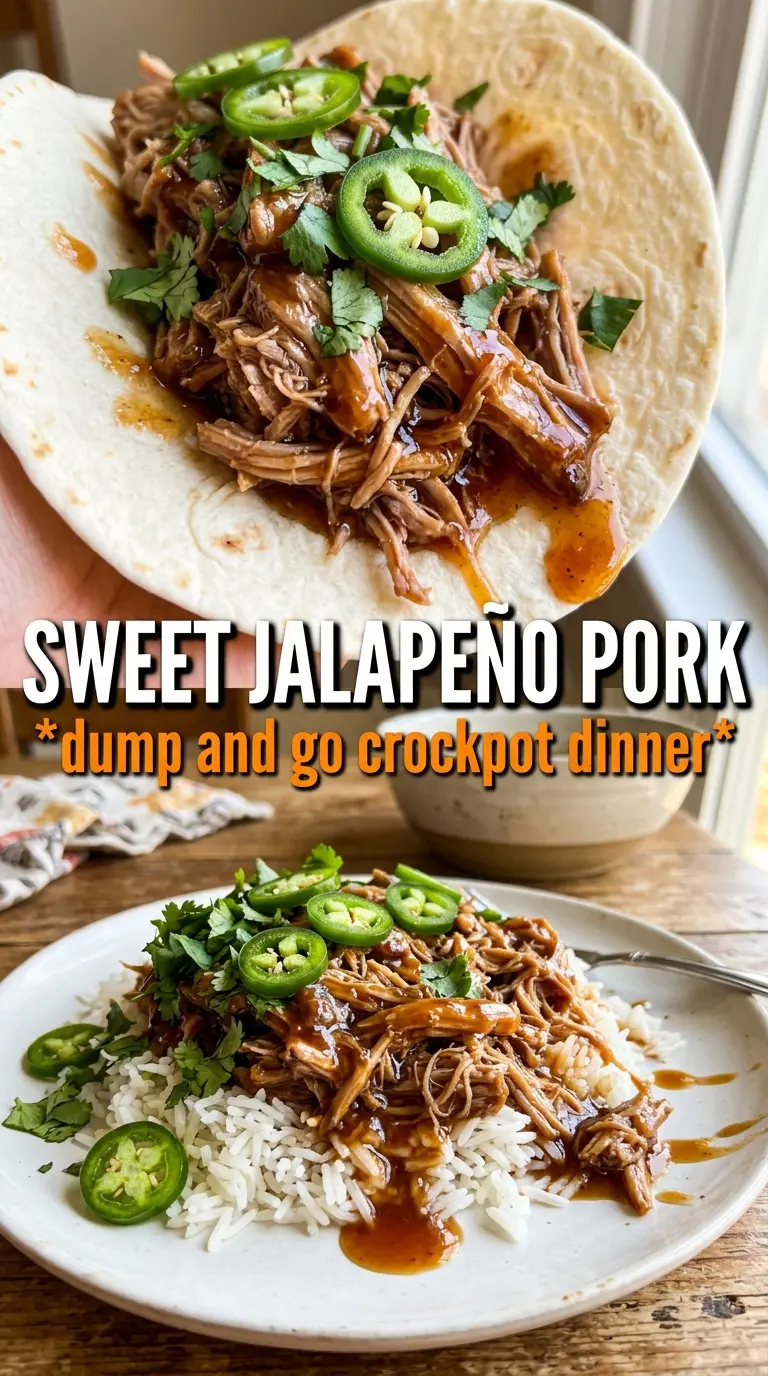
- Pork tenderloin — This is the right cut because it cooks fast and stays tender in a hot skillet. Slice it into medallions before cooking so you get more surface area for browning. Pork loin can work in a pinch, but it needs a little more time and is easier to dry out.
- Jalapeños — Fresh jalapeños bring the heat and that grassy pepper flavor that keeps the glaze from tasting flat. If you want milder pork, remove the seeds and white ribs before slicing. If you want more heat, leave some of the ribs in and use a third jalapeño.
- Honey — Honey gives the glaze its shine and helps it cling to the pork. There isn’t a clean substitute that behaves the same way, but maple syrup can step in if that’s what you have; the sauce will taste a little darker and less floral.
- Soy sauce and apple cider vinegar — This is the balance point. Soy adds salt and depth, while vinegar cuts through the sweetness so the glaze tastes finished instead of candy-like. If you need a gluten-free version, use tamari in place of soy sauce.
- Butter — The butter goes in at the end to round out the glaze and give it a silky finish. Stir it in off the hottest part of the burner so it melts smoothly instead of breaking.
Building the Sauce So It Clings to the Pork
Searing the Medallions
Heat the oil until it shimmers, then lay the pork in without crowding the pan. You want a clean sizzle the moment the meat hits the skillet. Let it sit until the underside is deeply golden before turning it; if you move it too soon, it’ll steam and leave you with pale pork and less flavor in the pan. Three to four minutes per side is usually enough, but the real cue is color and just-cooked firmness, not the clock.
Softening the Jalapeños and Garlic
Once the pork is out, drop in the jalapeños and garlic. The garlic should smell fragrant in under a minute, and the jalapeños should soften and lose their raw edge without browning hard. If the pan seems too dry, that’s normal; the vegetables will pick up the browned bits left behind by the pork. Keep the heat at medium so the garlic doesn’t scorch before the glaze goes in.
Reducing the Glaze
Add the honey, soy sauce, vinegar, and broth, then stir and let the mixture simmer. It should bubble gently and start to look slightly thicker after a few minutes, not boil aggressively. If it reduces too fast, the honey can get sticky before the sauce has time to balance. You’re looking for a sauce that coats a spoon in a thin layer and slides slowly, not a hard candy texture.
Finishing and Recoating the Pork
Swirl in the butter, then return the pork and spoon the glaze over each piece. This last pass warms the meat through without pushing it into overcooked territory. If the pork has rested too long and cooled, give it just enough time in the sauce to heat through; don’t simmer it for several minutes or the medallions will tighten up. Serve immediately while the glaze is still glossy and loose.
How to Adapt This for a Milder Pan Sauce or a Bigger Bite
Milder Jalapeño Pork
Remove the seeds and white ribs from both jalapeños, then slice them thinly. You’ll still get the pepper flavor and the pretty caramelized rounds, but the heat backs off enough for people who don’t love spice. If you want it even gentler, use one jalapeño and add a few strips of green bell pepper for color.
Gluten-Free Version
Swap the soy sauce for tamari or a certified gluten-free soy sauce. The glaze keeps the same balance and thickness, so you don’t lose the glossy finish. Check your chicken broth too, since some brands sneak in gluten-heavy flavorings.
Spicier Honey Jalapeño Pork
Leave some ribs in one or both jalapeños, or add a pinch of crushed red pepper with the garlic. That pushes the sauce into a sharper, more noticeable heat without changing the structure of the glaze. The honey still reins it in, so the finish stays balanced instead of harsh.
Storage and Reheating
- Refrigerator: Store leftovers in an airtight container for up to 3 days. The pork stays tender, but the glaze will thicken as it chills.
- Freezer: It freezes well for up to 2 months, though the glaze may separate slightly after thawing. Freeze the pork with plenty of sauce so it reheats more evenly.
- Reheating: Warm it gently in a skillet over low heat with a splash of broth or water. High heat dries out the pork fast and can make the honey glaze hard and sticky.
Answers to the Questions Worth Asking
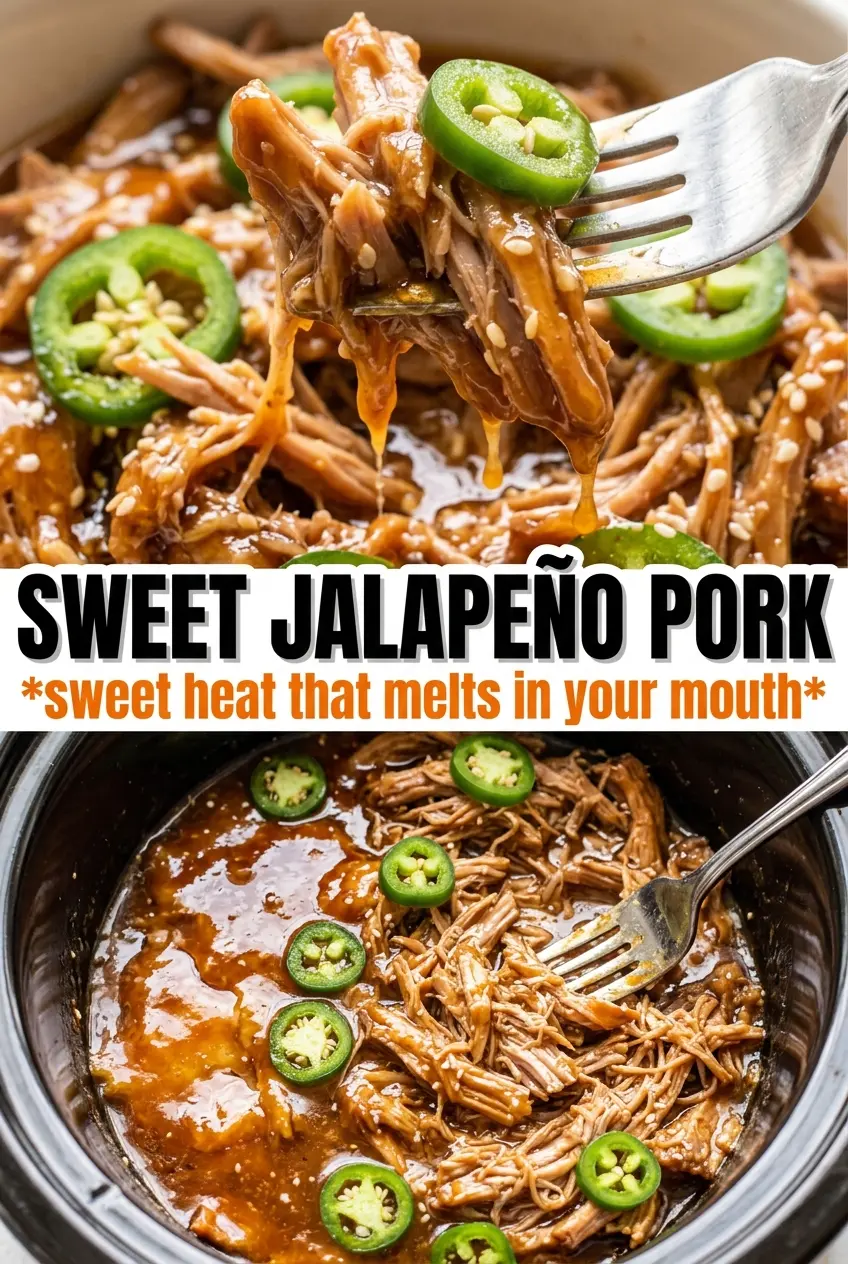
Sweet Jalapeño Pork
Ingredients
Equipment
Method
- Season the pork medallions with salt and black pepper, then sear in olive oil in a large skillet over medium-high heat for 3–4 minutes per side until golden and just cooked through, then set aside.
- Add garlic and jalapeños to the pan and cook over medium-high heat for 1–2 minutes until the jalapeños soften, scraping up any browned bits.
- Stir in honey, soy sauce, apple cider vinegar, and chicken broth, then simmer over medium-high heat for 3–4 minutes until the sauce thickens slightly.
- Swirl in butter off the heat until melted and glossy.
- Return the pork to the pan and spoon the jalapeño glaze over each piece so it coats the surfaces.
- Serve immediately with extra glaze drizzled on top.