Deeply browned Thai basil beef tucked into crisp lettuce cups is one of those dinners that disappears fast. The beef turns sticky and savory in the pan, the basil stays bright, and the cool crunch of the lettuce keeps every bite light enough that you want another roll right away. It eats like a weeknight shortcut with the punch of a dish you’d order twice without thinking.
What makes these rolls work is the order of operations. The beef needs real heat so it caramelizes instead of steaming, and the sauce goes in only after the meat has browned enough to give it something to cling to. Thai basil matters here too; its peppery, anise-like edge softens the richness of the beef in a way regular sweet basil can’t quite match.
Below, I’ll walk through the sear that gives the filling its depth, the ingredient swaps that still keep the dish balanced, and the small finish that makes each lettuce cup taste complete.
The beef got those caramelized edges I was hoping for, and the basil stayed fresh instead of turning dark. I served it in butter lettuce with the fried egg on top, and my husband asked if we could make it again the next night.
Save these Thai Basil Beef Rolls for a fast dinner with sticky caramelized beef, fresh basil, and crisp lettuce cups.
The Real Trick Is Getting the Beef to Brown Before the Sauce Goes In
Most skillet beef gets crowded, then gray, then watery. That happens when the pan isn’t hot enough or when the meat is stirred constantly before it has a chance to make contact with the surface. For Thai basil beef rolls, you want those browned bits. They carry the deep savory flavor that makes the sauce taste built, not poured on.
The other trap is adding the sauce too early. Once the beef has color, the sauce reduces quickly and clings to the meat instead of disappearing into the pan. If the pan looks wet after the beef goes in, keep cooking until the moisture cooks off and the edges start to crisp.
- High-heat cooking oil — Use a neutral oil that can handle a hot pan. Vegetable oil works well because it won’t compete with the sauce.
- Ground beef 80/20 — That bit of fat helps the beef brown and keeps the filling juicy. Leaner beef works, but you’ll lose some of the caramelized richness.
- Thai basil — This is the ingredient that makes the dish taste right. If you can’t find it, regular basil is an okay backup, but the result will be sweeter and less peppery.
- Fish sauce and oyster sauce — Together they build the savory-salty backbone. You can swap in a little extra soy sauce in a pinch, but the dish loses some depth.
- Butter lettuce or romaine — Butter lettuce gives the softest, most cup-like rolls. Romaine is sturdier and better if you want a firmer bite or plan to pack leftovers separately.
- Fried eggs — Optional, but worth it. The runny yolk turns the beef into a richer sauce and makes the rolls feel like a proper Thai-style meal.
What Each Ingredient Is Actually Doing in This Beef or Enchilada Dish
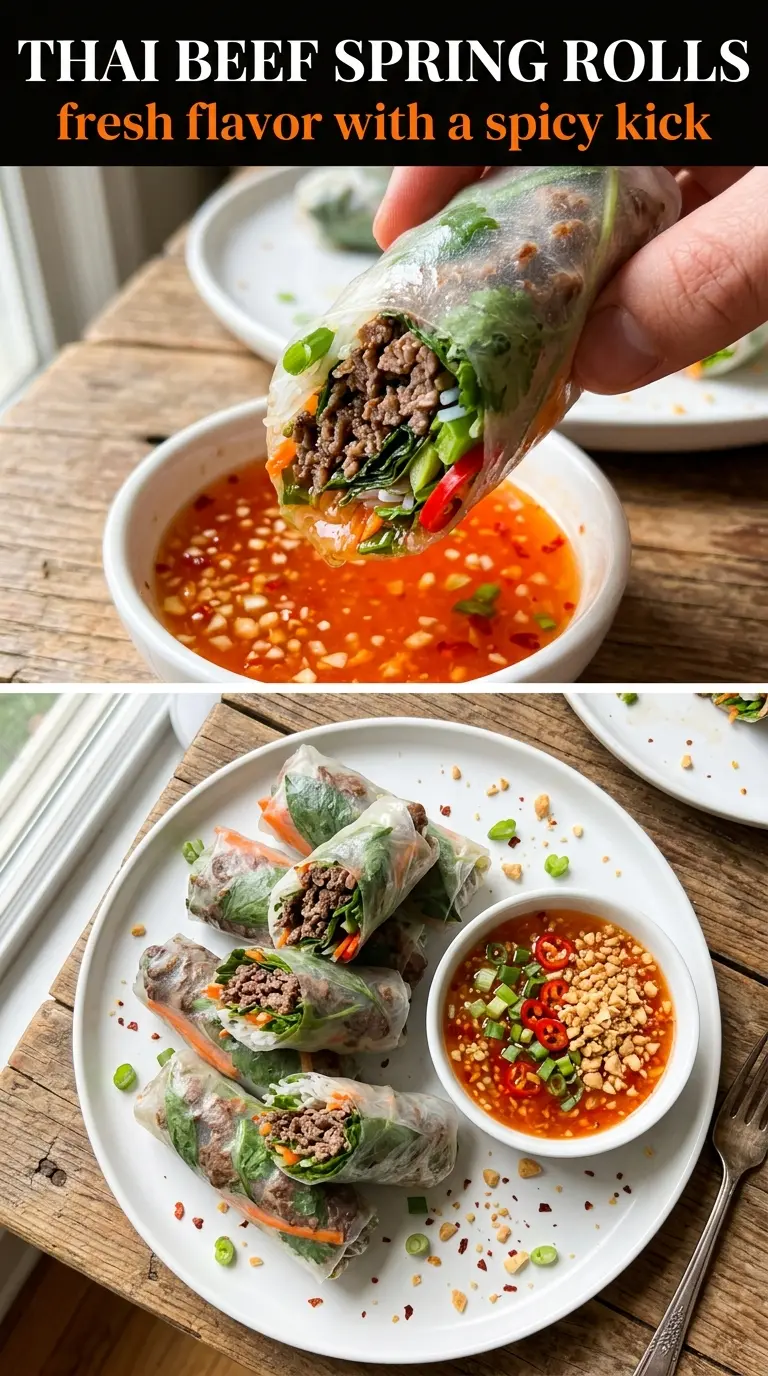
- Beef (proper cut for the method) — Choose tender or tough cuts based on cooking. Pat dry for browning.
- Oil (the browning medium) — High-heat oil essential for proper searing. Creates deep flavor.
- Seasonings (salt, pepper, spices, cumin) — Layer boldly so they define the dish.
- Aromatics (garlic, onion, chiles, cilantro) — Cook with oil to bloom. Build depth gradually.
- Sauce or braising liquid (broth or enchilada sauce) — This tenderizes tough cuts and brings flavors together.
- Cheese (if using enchiladas) — Layer inside and top with more. Creates golden, bubbly finish.
- Acid (lime, vinegar, or tomato) — This brightens and prevents heavy beef flavor.
- Final garnish (cilantro, sour cream, or green onion) — These add fresh flavor and visual appeal. Add before serving.
Building the Pan Sauce and Folding in the Basil at the Last Second
Mix the sauce before the pan gets hot
Whisk the oyster sauce, soy sauce, fish sauce, and brown sugar together before you start cooking. That keeps the seasoning even and gives you one quick pour when the beef is ready. If the sugar sits in a clump, it won’t glaze properly, so stir until it dissolves as much as it can.
Brown the beef hard, not gently
Heat the oil until it shimmers and then add the garlic and chilies for just a short stir so they don’t burn. Add the beef and leave it alone long enough for the bottom to color before breaking it up. If you keep stirring from the start, the meat steams and you lose the caramelized edges that make the filling taste bold.
Glaze and finish fast
Pour the sauce over the beef and toss it just until the meat is coated and glossy. Let it cook for a minute or two until the liquid looks syrupy and disappears into the crags of the beef. Pull the pan off the heat before adding the Thai basil; the leaves should wilt from the residual heat, not collapse into a dull tangle.
Assemble while the filling is hot
Spoon the beef into the lettuce cups right away so the contrast between hot filling and cool lettuce stays sharp. Add the fried egg, chili slices, and a squeeze of lime at the end. If you wait too long, the beef loses its glaze and the lettuce starts to soften under the steam.
Three Ways to Make These Rolls Work for Different Kitchens
Make it gluten-free without losing the glaze
Use certified gluten-free soy sauce or tamari and check that your oyster sauce is labeled gluten-free. The texture stays the same, and the sauce still reduces into that sticky coating as long as the sugar and heat stay unchanged.
Turn it into a lower-carb dinner
Skip the rice and load the filling into bigger lettuce leaves with extra herbs and lime. You still get the full salty-sweet beef flavor, and the fried egg keeps it satisfying enough that you won’t miss the starch.
Swap the beef for ground turkey or chicken
This works, but the flavor is cleaner and a little less rich. Use the same sauce, keep the pan hot, and don’t stop cooking while the meat is still pale or it will taste flat instead of browned.
Use romaine when butter lettuce isn’t available
Romaine leaves hold up better if you’re serving these on a platter or letting people assemble their own. They won’t fold as neatly as butter lettuce, but they do give you a sturdier crunch and stay crisp longer under the warm beef.
Storage and Reheating
- Refrigerator: Store the beef filling separately for up to 4 days. The basil is best fresh, so add new leaves after reheating if you have them.
- Freezer: The cooked beef filling freezes well for up to 2 months. Freeze it flat in a sealed bag or container; don’t freeze the lettuce, basil, or fried eggs.
- Reheating: Reheat the beef in a skillet over medium heat with a splash of water if it looks dry. The common mistake is microwaving it until the sauce turns greasy and the beef toughens; the skillet keeps the glaze intact.
Answers to the Questions Worth Asking
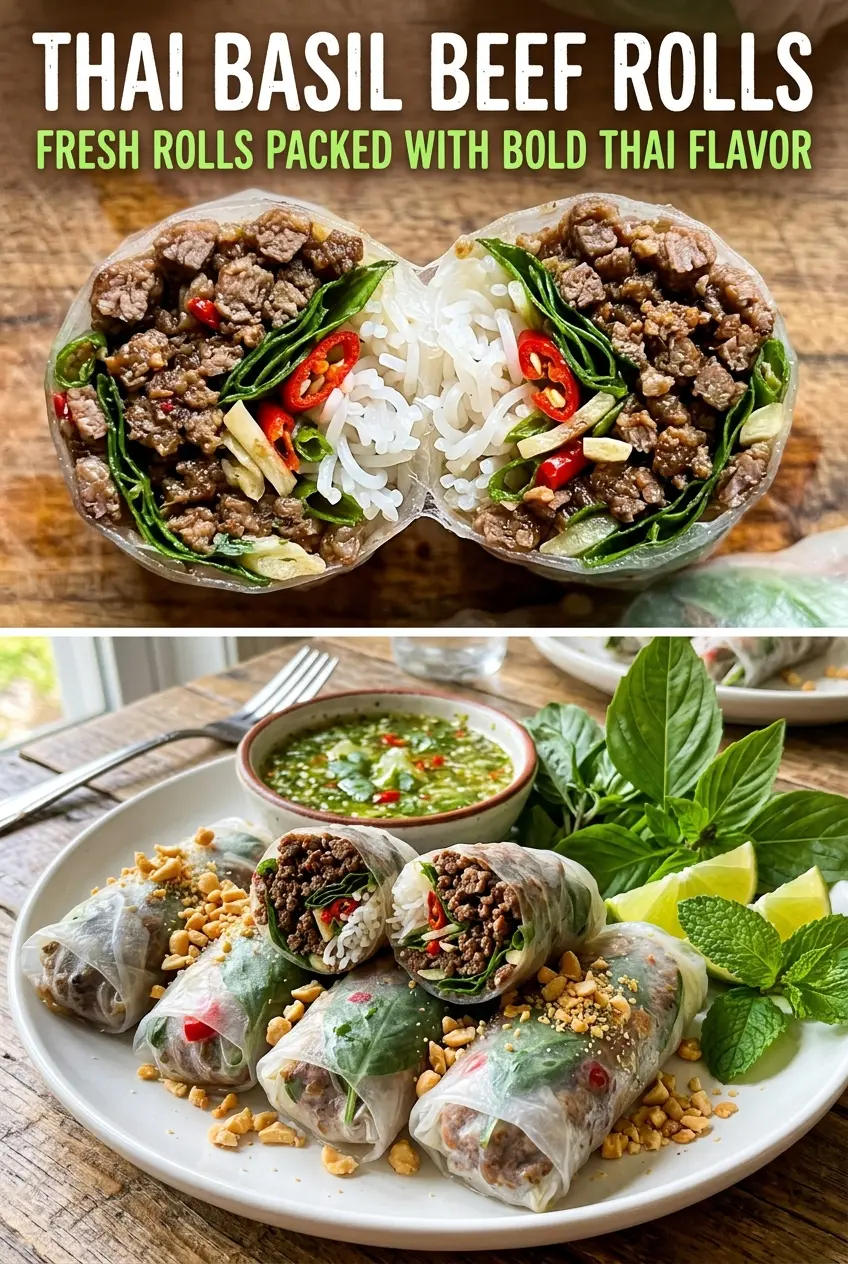
Thai Basil Beef Rolls
Ingredients
Equipment
Method
- Whisk together oyster sauce, soy sauce, fish sauce, and brown sugar, then set aside so the sugar dissolves evenly.
- Heat vegetable oil in a wok or large skillet over high heat until smoking, then add garlic and chilies and stir-fry for 30 seconds until fragrant.
- Add ground beef and cook, breaking it apart, for 5-6 minutes until deeply browned with caramelized edges.
- Drain any excess fat from the pan so the sauce caramelizes instead of steaming.
- Pour the sauce over the beef and toss to coat, then cook for 1-2 minutes until the sauce caramelizes onto the beef.
- Remove from the heat and fold in fresh Thai basil until just wilted so the leaves stay bright.
- Serve the beef in butter lettuce or romaine leaves topped with fried eggs and extra sliced red chili, with lime wedges and jasmine rice alongside.